
Polynucleotide Treatments in London
Polynucleotide (PN) injections represent a significant development in regenerative skin science, targeting the dermis at a cellular level to rebuild collagen and elastin structures compromised by ageing, sun exposure, or chronic dehydration. Independent specialists available through Science Beauty apply these bio-stimulatory agents to address volume depletion, laxity, and textural decline — concerns that surface-level topicals cannot meaningfully reverse.
Where conventional skin boosters such as Profhilo primarily enhance hydration through hyaluronic acid diffusion, polynucleotides stimulate fibroblast activity — the cells directly responsible for structural protein synthesis. Verified practitioners featured on the platform deploy this innovative treatment to address fine lines and wrinkles, dark circles, and uneven skin tone, producing improvements in overall skin health that accumulate progressively over a multi-session plan.

Thousands of satisfied customers
Polynucleotide Treatment Price Guide in London
London market rates for polynucleotide treatments typically range from about £200 to £700 per session, depending on the area treated, the product brand, and practitioner seniority.
These figures reflect general London market guidance based on publicly advertised prices reviewed in May 2026 across 15 London clinics; they do not represent Science Beauty’s own rates. Final pricing is determined by the independent specialist or clinic following a consultation, and will vary according to complexity, session number, product selection, and individual clinical findings.
- Single area (e.g., under-eye or neck): about £200–£350 per session
- Dual-area treatment (e.g., face and neck): about £350–£550 per session
- Full-face polynucleotide course (2–4 sessions): about £550–£900 per course
- Advanced combined protocol (e.g., PN + PRF or skin booster): about £600–£1,200 per course
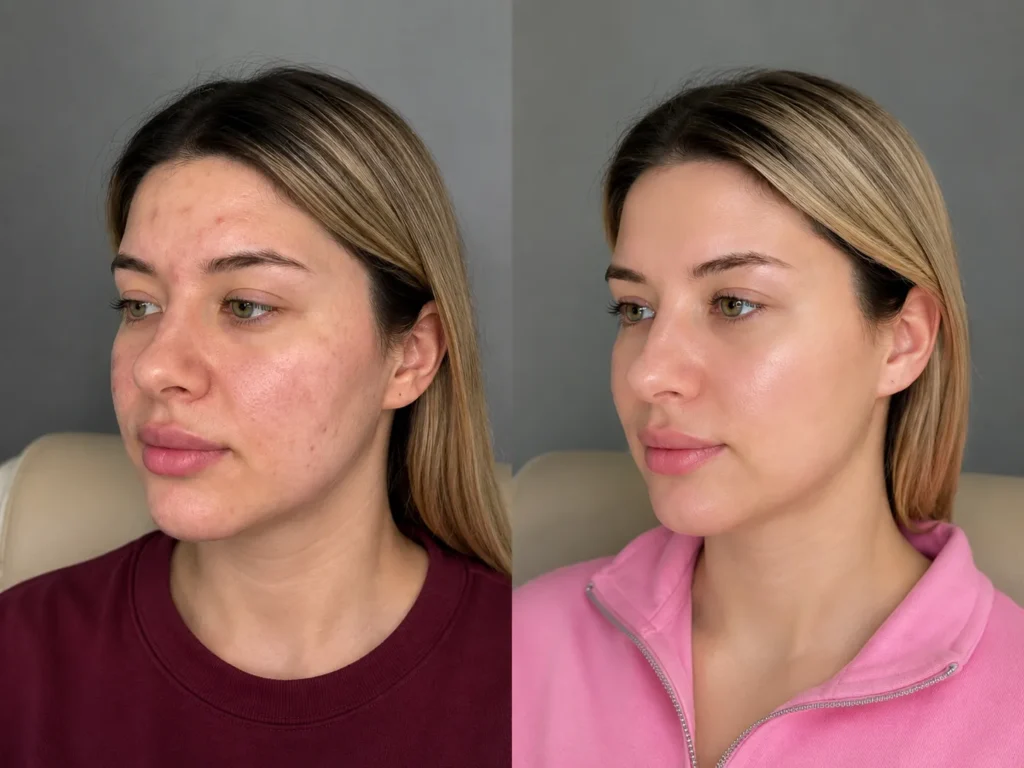
Before and After Polynucleotide Treatment
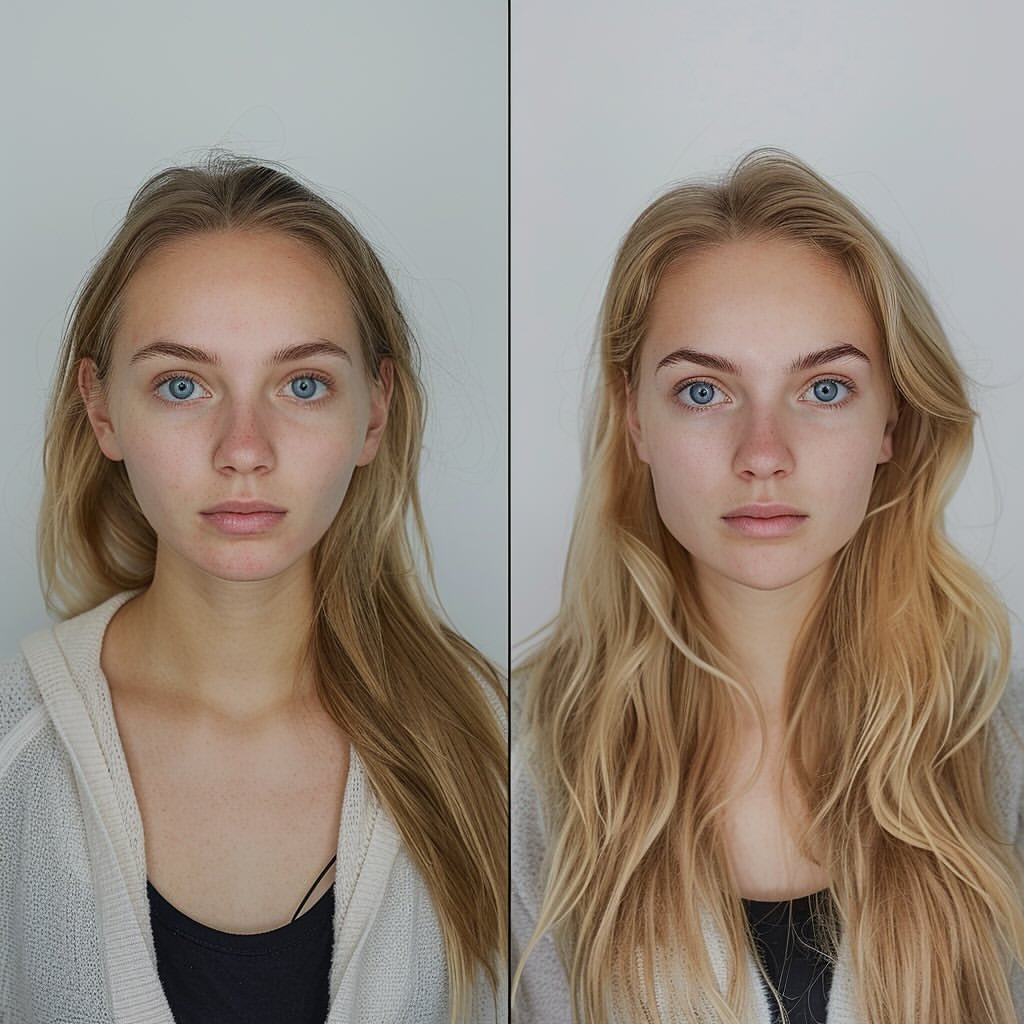
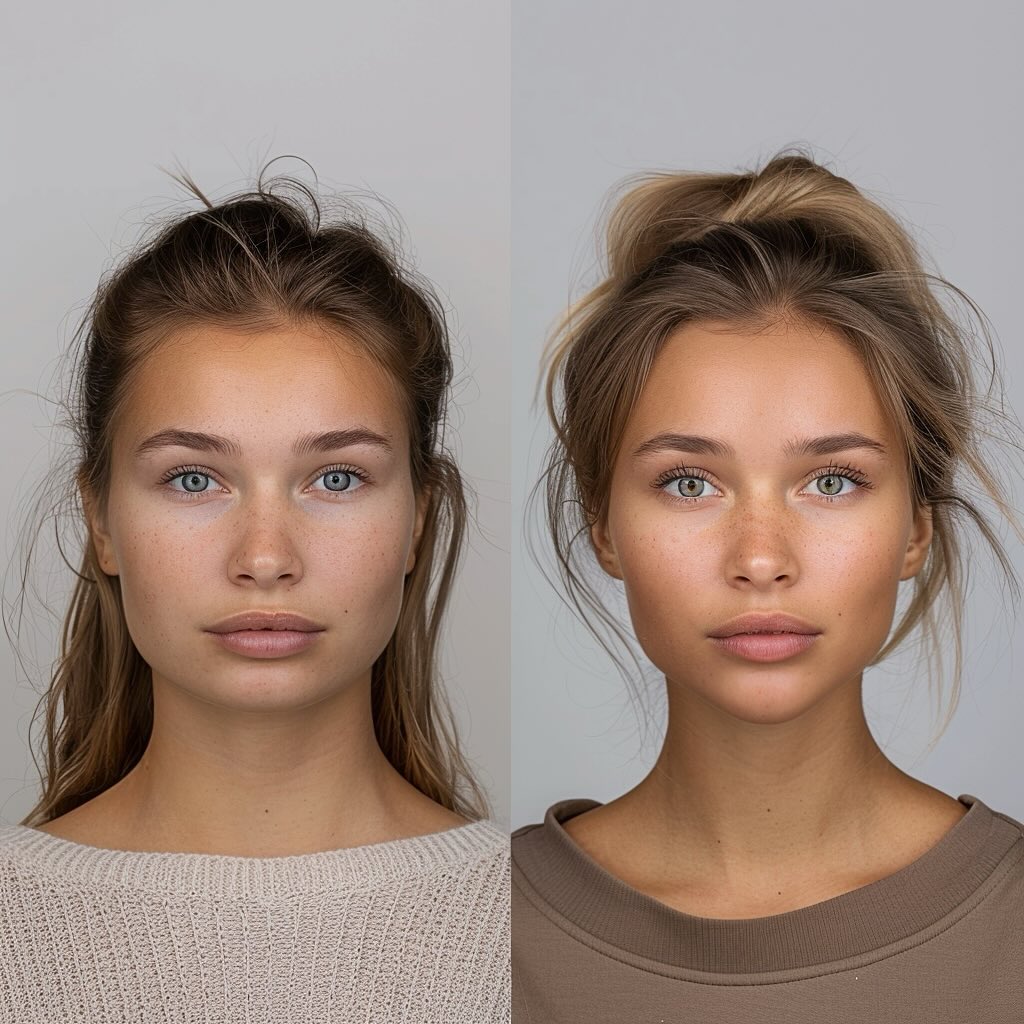
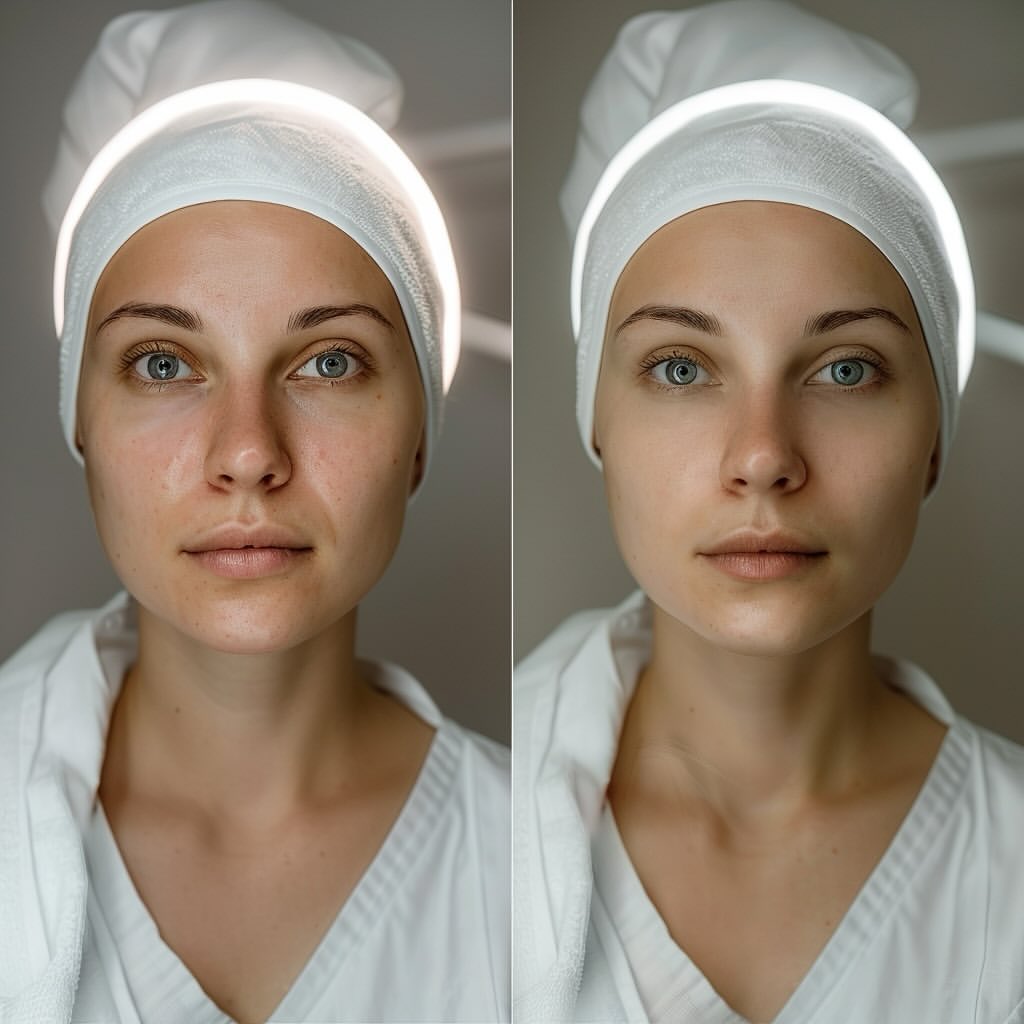
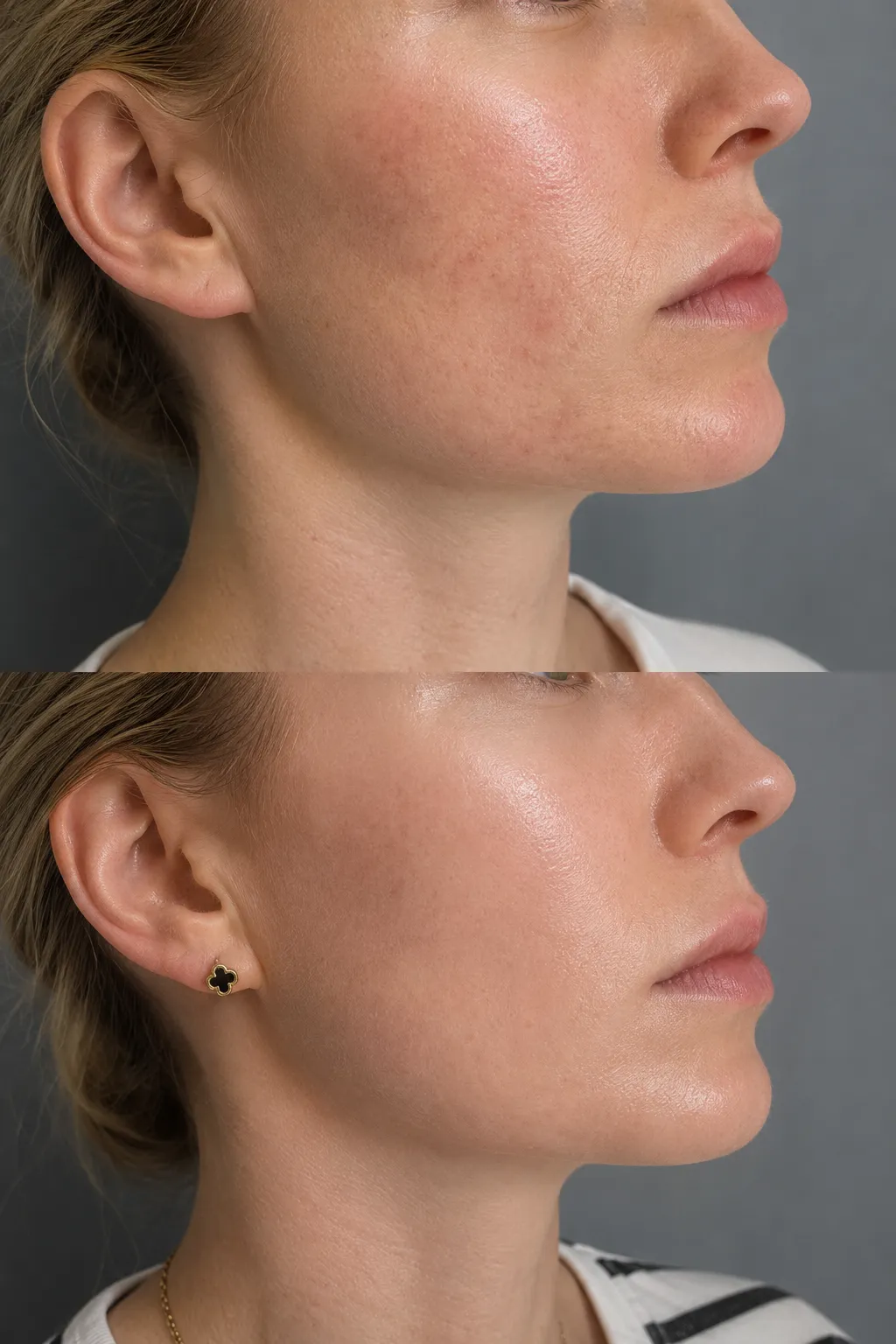
The visible changes patients commonly seek from polynucleotide injection treatments develop over several weeks rather than immediately. As the dermis responds to fibroblast stimulation, skin texture grows progressively firmer, fine lines and wrinkles shallow, and surface quality shifts from dull to radiant — a contrast that becomes most apparent at the four- to eight-week mark following the initial session.
Outcomes documented by independent specialists and clinics reflect wide individual variation. Factors including baseline skin condition, age-related tissue density, treatment plan design, product concentration, and practitioner technique each play a role in the magnitude and longevity of response. Patients considering these treatments are advised to discuss realistic expectations during a consultation.
Commonly discussed treatment outcomes include:
- Visible reduction in fine lines and superficial wrinkles
- Improved hydration and smoother overall skin texture
- Diminished appearance of dark circles and periorbital thinning
- Greater skin elasticity and firmness in treated zones
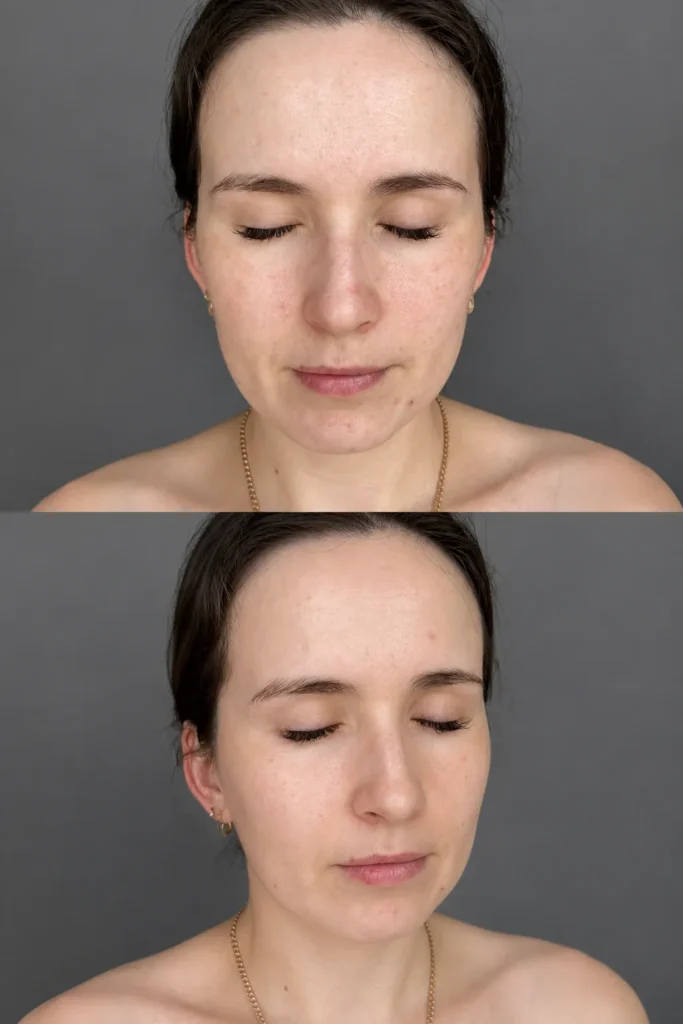
What is a Polynucleotide Treatment?
Polynucleotides are naturally occurring, highly purified fragments of DNA and RNA — essentially the building blocks of DNA — derived primarily from salmon or trout, selected for their structural compatibility with human tissue. When injected into the skin, these molecules function as bio-stimulators, activating cellular signalling pathways proposed to support collagen and elastin production, neutralise oxidative free radicals, and promote skin regeneration at a cellular level.
Unlike dermal fillers, which add volume through hyaluronic acid gel, polynucleotide injections do not restructure facial contours. Instead, polynucleotide treatments offer a means of improving the intrinsic quality and resilience of the skin from within — making them a complementary tool to volumising agents in a comprehensive skin rejuvenation treatment plan.
The products used by verified practitioners across London include well-established brands such as Plinest, Nucleofill, PolyPhil, PhilArt, and Ameela, each carrying CE-marking and formulated to specific concentrations of polynucleotide chains. Product selection by the independent specialist is guided by the target area, depth of injection, and various skin concerns identified during consultation.
The Polynucleotide Treatment Process: Step by Step
Clinical Assessment
A qualified practitioner conducts a detailed skin assessment, reviewing medical history, contraindications, and specific concerns to confirm suitability.
Pre-Treatment Protocol
The target area is cleansed, and a topical anaesthetic cream is applied. Some specialists mark injection points for systematic delivery across the treatment zone.
Treatment Implementation
Using fine-gauge needles, the polynucleotide solution is injected into the skin intradermally at multiple sites. The depth and spacing vary by area and product protocol.
Post-Procedure Care
Practitioners provide written aftercare guidance covering activity restrictions, sun exposure, and product avoidance specific to the treated area.
Follow-Up Planning
Most treatment plans involve two to four sessions spaced two to four weeks apart. The independent specialist outlines a maintenance schedule based on the initial response.
Procedure time: 30–45 minutes.
Recovery: Minimal; mild redness or swelling typically resolves within a few hours
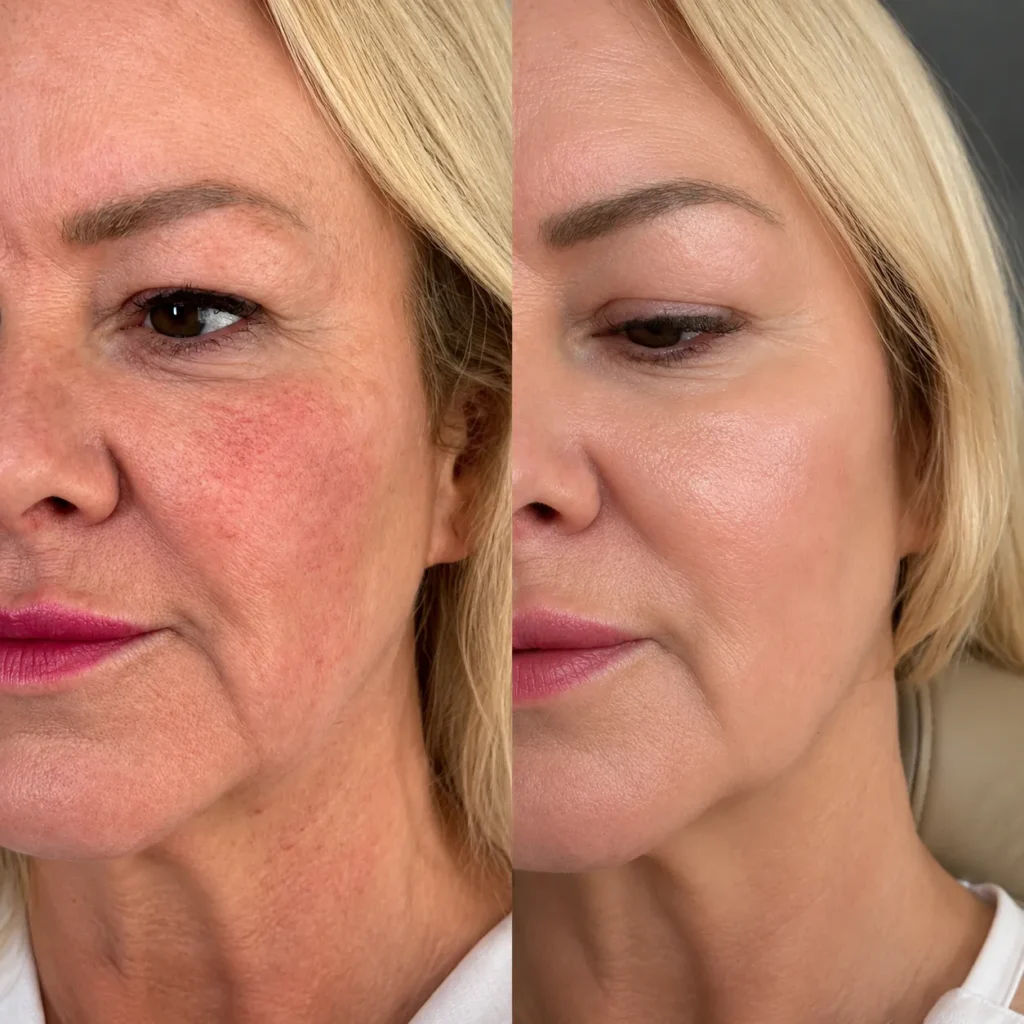
Benefits of Polynucleotide Treatment
Polynucleotide therapy operates at a depth that topical cosmeceuticals cannot reach, triggering cellular repair processes rather than surface-level concealment. By activating fibroblasts, the treatment supports sustained collagen and elastin synthesis — helping the skin achieve structural improvements in firmness, hydration retention, and skin health and vitality that persist well beyond the treatment window.
The treatment carries a well-documented tolerability profile, with most adverse events limited to transient redness, minor swelling, or small injection-site bruises. Because the molecules are biocompatible with human tissue, the risk of allergic reaction is considered low in non-fish-allergic individuals, though suitability is always confirmed by the independent specialist at consultation.
Key therapeutic and aesthetic advantages commonly cited by practitioners include:
- Supports natural collagen and elastin production without synthetic volume additives
- Polynucleotides can increase collagen production and improve skin elasticity over time
- Enhances hydration at a cellular level for lasting moisture retention
- Addresses various skin concerns, including fine lines, wrinkles, and uneven skin tone
- Effective across multiple treatment areas, including face, neck, décolletage, and hands
- Clinically compatible with complementary treatments such as dermal fillers and skin boosters
- Progressive, natural-looking results that develop over weeks, helping the skin look youthful
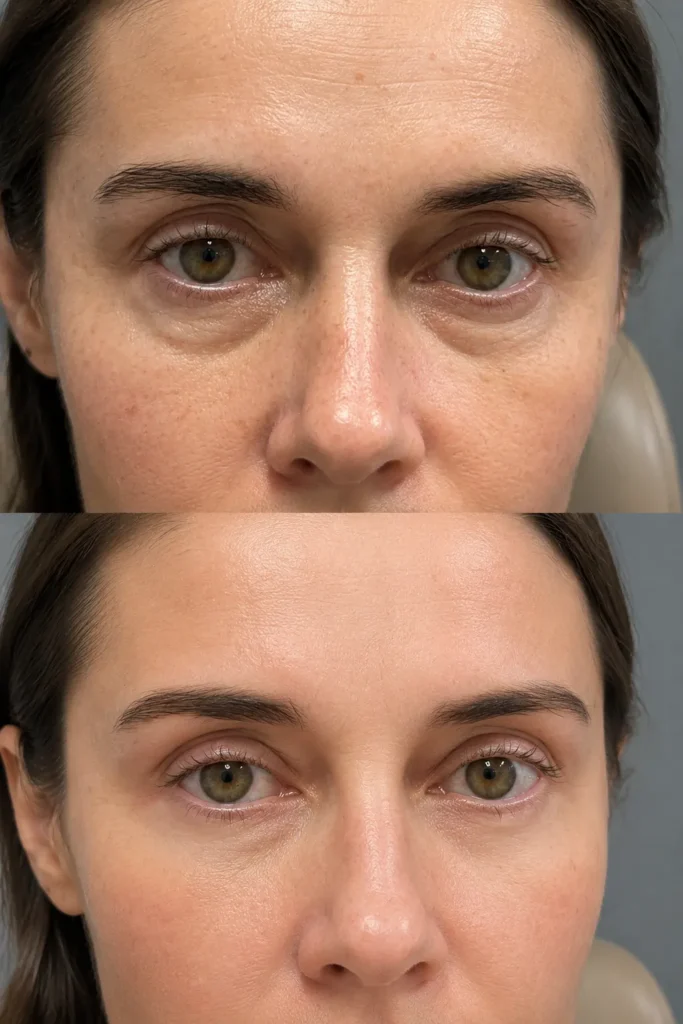
Polynucleotide Treatment Options
Single-Area Polynucleotide Injectable
Independent specialists frequently treat isolated zones — most commonly the periorbital area, where the skin is thin and vascular proximity makes polynucleotides preferable to heavier volumisers. Targeted sessions deliver concentrated biostimulation to dark circles, hollowness, and fine lines beneath the eyes.
Neck and décolletage treatments are also common standalone options, particularly where crepey texture or sun damage has compromised skin health. Practitioners adjust product choice and injection depth to accommodate the structural differences in these areas versus facial skin, with the aim of achieving radiant skin and an even skin tone.
Full-Face Polynucleotide Course
A structured multi-session course covering the full face combines diffuse dermal stimulation with targeted treatment of specific concerns. Clinics featured on the platform typically schedule two to four sessions across six to eight weeks, allowing incremental tissue response to be assessed between appointments for best results.
Combined Polynucleotide Protocols
Polynucleotide treatments are frequently combined with complementary injectables as part of a comprehensive treatment plan. A number of verified practitioners offer combined protocols integrating polynucleotides with options such as:
- Dermal fillers for simultaneous volumising and skin quality improvement
- Skin boosters such as Profhilo to further enhance hydration alongside skin repair
- PRF (platelet-rich fibrin) bio-filler — a separate procedure recommended where clinically appropriate by the independent specialist
- Anti-wrinkle injections to address dynamic lines alongside overall skin rejuvenation
Why Choose Science Beauty for Polynucleotide Treatments?
Science Beauty operates as an independent booking platform connecting London patients with verified specialists whose credentials, clinical environments, and treatment protocols meet defined selection standards. The platform’s role is to help patients discover polynucleotides and other advanced aesthetic treatments through a transparent, evidence-informed process.
Practitioners listed on Science Beauty are assessed against criteria designed to reflect genuine clinical competence and patient safety:
- Active GMC or NMC registration with no fitness-to-practise concerns
- Verified Level 7 qualification or equivalent advanced training in aesthetic injectables
- Demonstrated use of CE-marked polynucleotide products from reputable pharmacies
- Practice within a CQC-registered or equivalent regulated clinical environment
- High patient satisfaction ratings and verifiable treatment outcomes
- Evidence-based treatment protocols aligned with current clinical literature
Patients are encouraged to review individual practitioner profiles, verify credentials independently, and attend a full consultation before proceeding with any injectable treatment.
“The terms ‘best’ and ‘premier’ used in reference to practitioners or treatments signify those that meet our selection criteria, including active GMC/NMC registration, verified clinical experience, high patient satisfaction, and the use of clinically proven, evidence-based protocols. Science Beauty acts as an independent booking platform to ensure quality and safety in aesthetic care.”
Polynucleotides FAQs
How long do polynucleotide results last?
Results from polynucleotide treatment typically persist for six to twelve months, though individual responses vary. This depends on the product used, the areas treated, the number of sessions completed, and individual factors such as skin age and metabolism. Practitioners generally recommend maintenance sessions every six to nine months to sustain the improvements in skin collagen density, hydration, and overall skin quality achieved during the initial course.
Are polynucleotide injections safe?
Polynucleotide injection treatments carry a favourable safety profile when administered by a qualified medical practitioner using CE-marked products. Serious adverse events are rare in appropriately selected patients, and common transient effects include redness, minor swelling, and injection-site bruising. Individuals with fish or seafood allergies, autoimmune conditions, active skin infections, pregnancy, or breastfeeding are typically considered unsuitable candidates.
What are the risks associated with polynucleotide treatment?
Polynucleotide injections carry a low risk of serious complications when administered by a qualified medical practitioner using CE-marked products. Commonly reported side effects include temporary redness, swelling, bruising, and tenderness at injection sites, typically resolving within 24 to 72 hours. Rarer occurrences include nodule formation or localised skin reaction. Individuals with fish or seafood allergies, autoimmune conditions, active skin infections, or those who are pregnant or breastfeeding are not considered suitable candidates. Suitability is always confirmed by the independent specialist at the consultation.
How many sessions are needed?
Most treatment plans involve two to four sessions spaced two to four weeks apart, depending on the area treated and the degree of skin concern. Some patients — particularly those addressing significant sun damage or chronic dehydration — may benefit from additional sessions. The independent specialist will outline a personalised treatment plan during the initial consultation, accounting for baseline skin condition and the specific outcome desired.
Are polynucleotides better than dermal fillers?
Polynucleotides and dermal fillers address fundamentally different concerns and are frequently used in combination rather than as alternatives. Fillers add immediate structural volume and contour, whereas polynucleotides work to rejuvenate skin and improve its quality, hydration, and collagen production at a cellular level. For patients who want to strengthen the skin without volume addition — particularly around thin-skinned areas such as the eyes or neck — polynucleotides are often preferred or used alongside fillers as part of a broader treatment plan.
Is the treatment painful?
Most patients describe polynucleotide injections as mildly uncomfortable rather than painful. Topical anaesthetic cream is routinely applied before treatment to reduce sensation at the injection sites. The periorbital area — where the skin is thin — may be more sensitive than other zones. Session duration is typically 30 to 45 minutes, and practitioners can adjust needle gauge or injection technique to improve comfort where necessary.
What is the difference between polynucleotides and skin boosters such as Profhilo?
Polynucleotide injections work at a cellular level to support collagen synthesis, producing structural improvements that develop gradually over weeks. Skin boosters such as Profhilo deliver high-concentration hyaluronic acid to enhance hydration and brightness more rapidly, but without the same degree of collagen stimulation. Results from skin boosters typically metabolise faster — at around three months — compared to the six- to twelve-month benefits associated with polynucleotide treatment, London patients commonly report.
Can polynucleotides be combined with other treatments?
Yes. Polynucleotide treatments are clinically compatible with a range of other aesthetic procedures, including anti-wrinkle injections, dermal fillers, Profhilo, PRF bio-filler, and laser or microneedling treatments. Combining modalities allows practitioners to address multiple concerns — laxity, volume loss, surface texture, and overall skin health — within a single coordinated treatment plan. The timing and sequencing of combination treatments is determined by the independent specialist at the consultation.
Who is not suitable for polynucleotide treatment?
Patients with a known allergy to fish or seafood should not undergo polynucleotide treatment, as products are derived from salmon or trout DNA. Additional contraindications include autoimmune conditions, active inflammatory skin infections, pregnancy, and breastfeeding. Patients on blood-thinning medications may face an elevated bruising risk. Suitability is always confirmed by the independent specialist during a pre-treatment consultation based on a full medical history review.