
Can you drink after lip filler?
Many patients wonder if they can drink alcohol after lip filler treatment — and the answer is no, not immediately. Alcohol thins the blood and widens blood vessels, which can increase bruising, swelling, and the risk of infection after injections. Drinking too soon can also slow the healing process and make filler settle unevenly. To ensure smooth results, you should avoid alcohol for at least 24–48 hours after treatment. This short recovery period allows tissue to stabilise, swelling to decrease, and filler to integrate properly. Hydration is crucial, but stick to water or non-alcoholic drinks instead. Following your practitioner’s aftercare instructions will help protect your results and reduce the chance of complications.

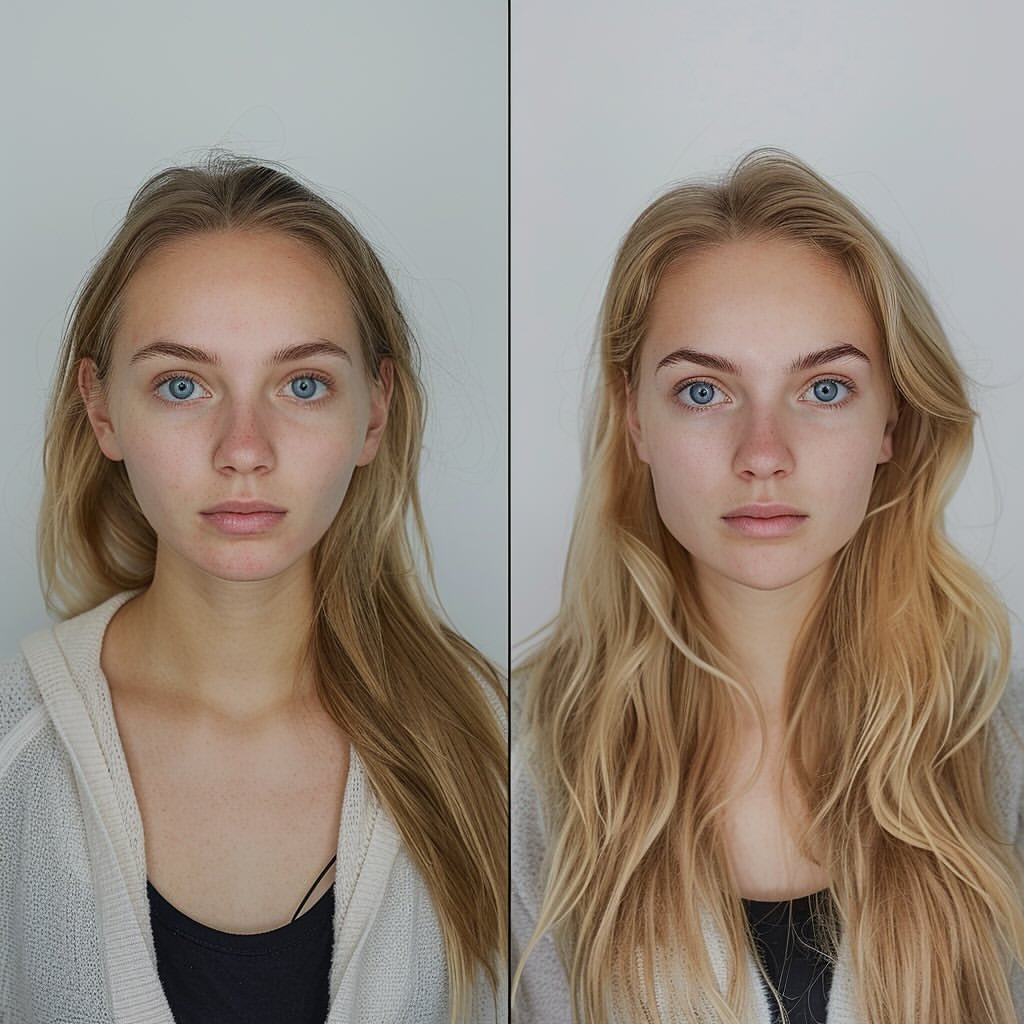
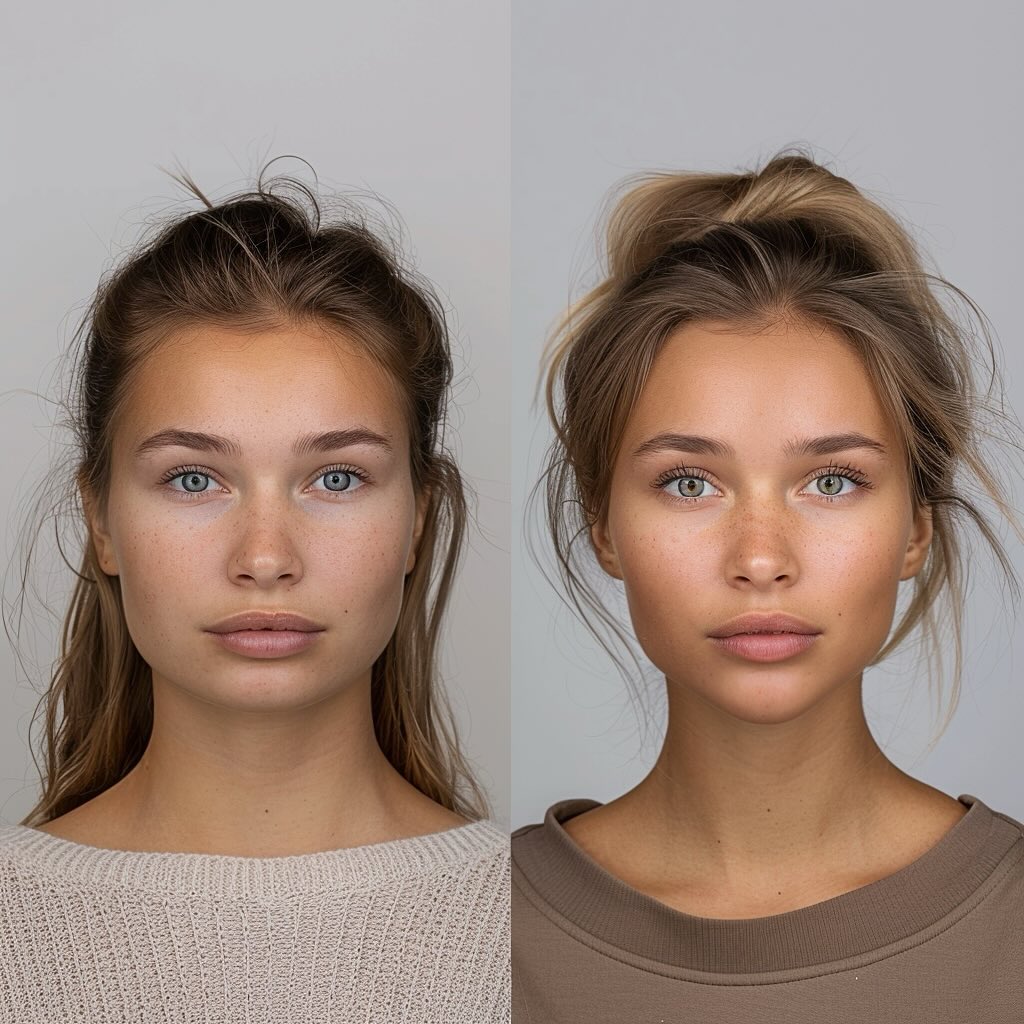
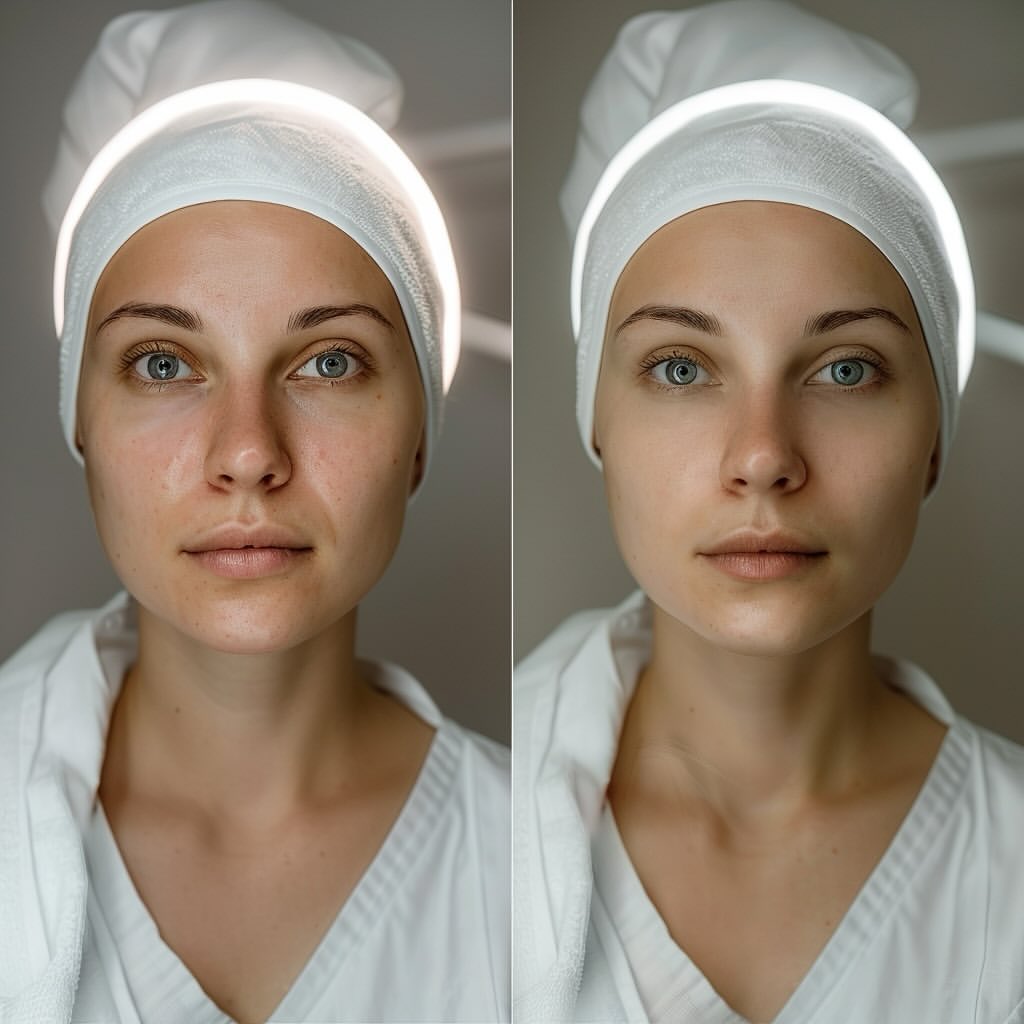
Thousands of satisfied customers

What happens if you drink alcohol after lip fillers?
Drinking alcohol right after treatment interferes with your body’s natural healing response. Alcohol acts as a vasodilator, meaning it expands blood vessels and increases blood flow to treated areas, which may lead to more visible bruising or swelling. It also dehydrates your body, leaving lips dry and tender. Because alcohol suppresses immune function, your risk of infection slightly increases as well. Even small amounts of alcohol can affect how quickly puncture sites close and how evenly filler settles in the lips. If you drink too soon, you might notice prolonged redness, discomfort, or uneven lip shape once swelling subsides. Waiting just a couple of days helps your lips recover fully and maintain balanced results.

How long should you wait to drink after lip filler?
Most practitioners advise waiting at least 24 to 48 hours before drinking alcohol, though waiting a full 72 hours is ideal. During this time, your lips heal, swelling goes down, and any injection sites close properly. Reintroducing alcohol too early can slow recovery and extend bruising. Instead, focus on staying hydrated by drinking plenty of water, which supports the hyaluronic acid in your filler and keeps lips plump. If you have a special event or plan to drink, it’s best to schedule your lip filler at least several days in advance. Allowing your lips to settle before introducing alcohol ensures a smoother, more natural look.
How alcohol affects lip filler results?
Alcohol not only influences short-term recovery but can also affect the longevity of your filler. Dehydration caused by alcohol reduces the water-retaining ability of hyaluronic acid, leading to drier, less defined lips over time. Frequent drinking may also increase oxidative stress and inflammation, accelerating filler breakdown. Repeated dehydration cycles can make results fade sooner and reduce lip elasticity. Avoiding alcohol in the days following treatment helps your filler bond properly with tissue, enhancing both comfort and appearance. Maintaining a balanced lifestyle with good hydration and nutrition keeps lips looking fuller and healthier for longer.

Aftercare tips if you plan to drink later
To protect your results, follow essential aftercare guidelines. Keep your lips clean and avoid touching or pressing on them unnecessarily. Drink plenty of water to stay hydrated and help filler settle evenly. Avoid caffeine, spicy foods, and extreme temperatures for the first 24 hours, as they can worsen swelling. Once your practitioner confirms healing, you can reintroduce alcohol gradually. Choose lighter drinks, avoid straws that require suction, and continue to use hydrating lip products. Regular follow-ups allow your injector to check filler placement and maintain symmetry. Proper aftercare supports smooth recovery and long-lasting enhancement.
When to contact your practitioner?
If you notice extended swelling, unevenness, or tenderness after drinking, contact your practitioner promptly. Alcohol can sometimes mask early signs of irritation or infection, delaying treatment. Persistent redness, lumps, or pain may indicate that filler has shifted or that inflammation has occurred. Early professional review ensures safe correction and prevents long-term complications. Always err on the side of caution — it’s better to have a quick follow-up than to risk uneven results or discomfort.
Final thoughts
If you notice extended swelling, unevenness, or tenderness after drinking, contact your practitioner promptly. Alcohol can sometimes mask early signs of irritation or infection, delaying treatment. Persistent redness, lumps, or pain may indicate that filler has shifted or that inflammation has occurred. Early professional review ensures safe correction and prevents long-term complications. Always err on the side of caution — it’s better to have a quick follow-up than to risk uneven results or discomfort.
Frequently Asked Questions
Can I drink wine after lip filler?
It’s best to wait at least 48 hours before drinking wine. Alcohol can worsen swelling and bruising during the healing stage.
Does alcohol make lip filler swell more?
Yes. Alcohol dilates blood vessels and can increase swelling or cause bruising to last longer.
What if I drank alcohol the same day as my treatment?
One drink is unlikely to cause serious issues, but it may still slow recovery. Avoid further alcohol for at least two days and keep your lips hydrated.
When can I use lipstick after lip filler?
Wait at least 24–48 hours or until swelling subsides. Applying makeup too soon can introduce bacteria to the injection sites.
Can regular drinking affect filler longevity?
Yes. Frequent alcohol use dehydrates the skin and accelerates filler breakdown, leading to shorter-lasting results.