How to Get Rid of Forehead Acne
This acne affects millions, often appearing as stubborn breakouts on the upper face. Understanding the causes of this acne is the first step toward achieving a healthy complexion.
Struggling with stubborn acne requires a strategic approach to skincare and lifestyle. Clinical insights suggest that targeted treatments can effectively clear skin when applied consistently over several weeks.

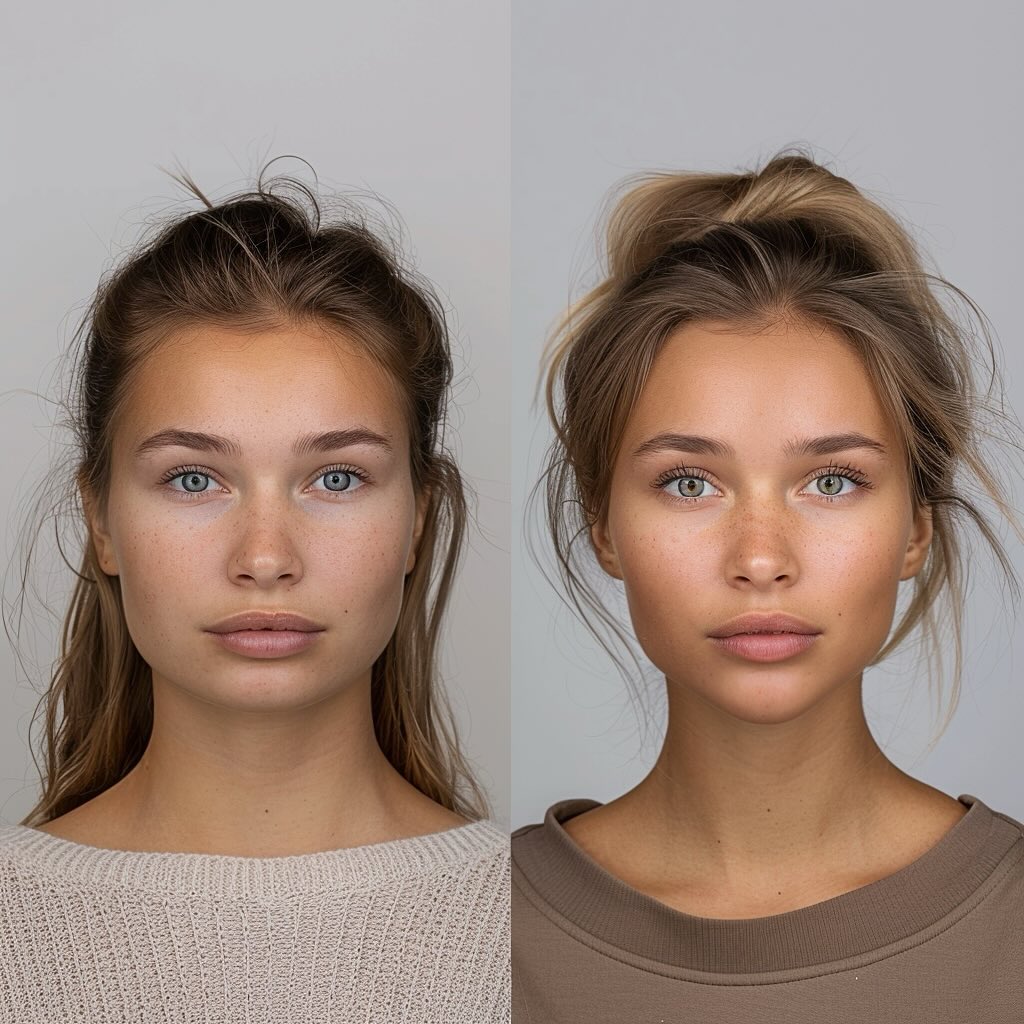
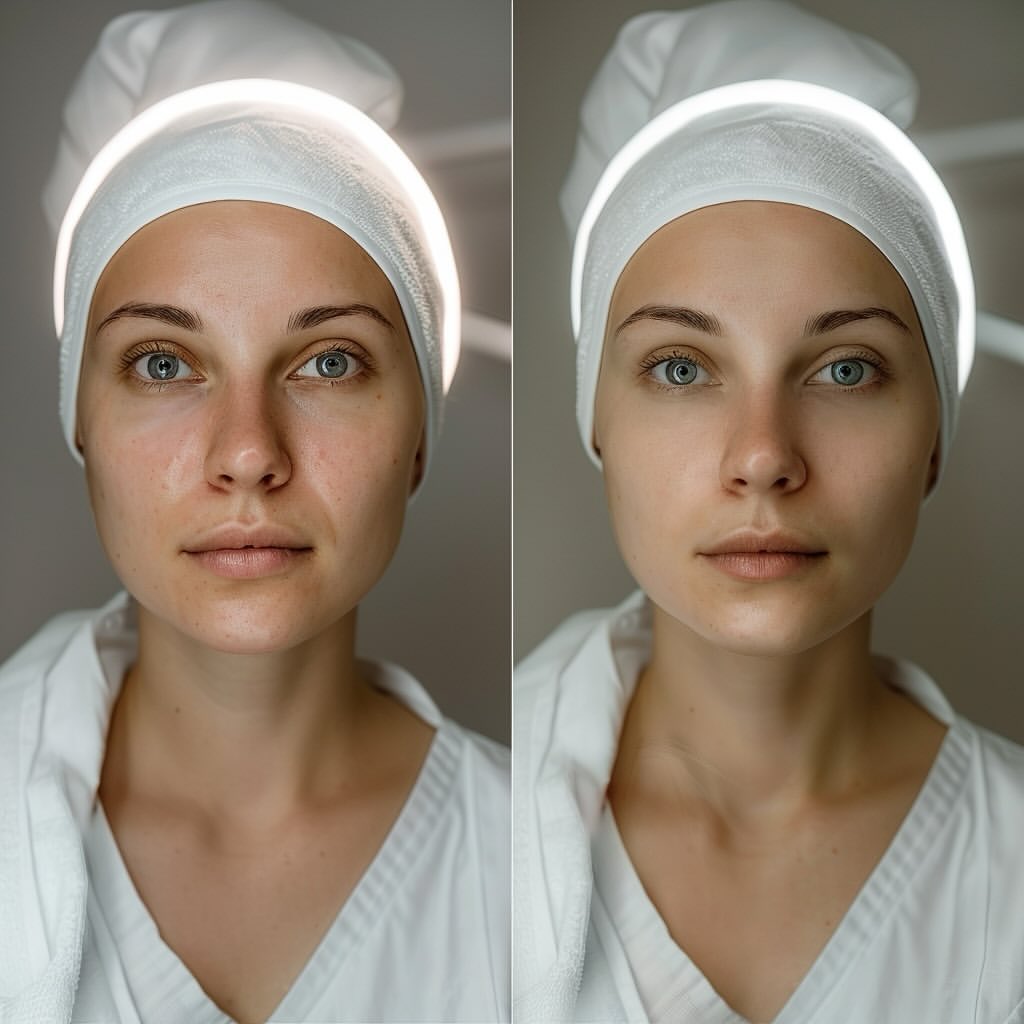
Thousands of satisfied customers


Primary Causes of Forehead Acne and Breakouts
Inflammation occurs when small follicles become obstructed, leading to visible redness. Identifying why spots can develop in this specific area helps in choosing the most effective treatment. Dermatologists often point to several key physiological and external triggers:
Root Causes of Forehead Acne: Excess Oil and Clogged Pores
Excess sebum production is a leading factor for spots on your upper face. When sebaceous glands produce too much oil, it can mix with dead skin cells to clog pores and cause breakouts.
These blockages create an environment where bacteria thrive, resulting in active acne on your forehead. Maintaining a balance in oil production is essential to keep your skin clear and healthy.
How Hair Products Can Contribute to Forehead Acne
Certain hair care items contain heavy oils or waxes that easily transfer to the forehead. This phenomenon, often called pomade breakouts, occurs when these substances migrate and clog your pores.
- Heavy styling waxes and pomades
- Oil-based leave-on conditioners
- Thick hairsprays used near the hairline
- Shampoos with high silicone content
Switching to non-comedogenic hair care can significantly reduce the risk of inflammatory issues on your upper face.
Hormonal Fluctuations That Cause Acne on the Forehead
Hormonal breakouts are often linked to fluctuations in androgens, which stimulate the sebaceous glands. This type of acne is frequently observed during puberty, pregnancy, or specific menstrual cycles.
Hormonal shifts may increase the volume of oil, leading to more frequent flare-ups. Professional consultations can help determine if the acne is caused by internal hormonal imbalances.
Stress and Lifestyle Factors Behind Forehead Breakouts
High stress levels trigger the release of cortisol, which can indirectly lead to acne. While stress doesn’t cause the condition directly, it can worsen an existing problem or delay healing.
Lack of sleep and poor dietary choices may also contribute to skin flare-ups. Managing your lifestyle is a critical component to help manage the issue and improve your overall complexion.
Daily Hygiene Habits That Impact Acne
Frequently touching your upper face can transfer bacteria and dirt directly to your skin. Hygiene habits, such as not washing gym headbands or hats, can also lead to spot development.
- Touching the area with unwashed hands
- Reusing dirty pillowcases for multiple nights
- Wearing sweaty hats or caps for extended periods
- Neglecting to wash the region after a workout
It is vital to remove dead skin cells and sweat promptly after physical activity to prevent future acne.
Genetic Predisposition and Family History
Your genetic makeup influences your skin type and how your body responds to inflammation. If your parents struggled with severe issues, you may have a higher risk of developing similar spots.
Genetics determine the size of your pores and the activity of your sebaceous glands. Understanding your family history helps dermatologists tailor a more effective treatment plan for your specific needs.
Medications That May Trigger Acne on Your Forehead
Some medications, including certain steroids or hormonal treatments, may cause breakouts as a side effect. These drugs can alter skin chemistry or increase oil production significantly.
If you notice flare-ups after starting a new prescription, consult your doctor. They can help you understand the triggers related to your specific medical regimen.
Identifying Your Specific Type of Forehead Acne
Not all spots on your upper face are the same, and treatment varies by type. Distinguishing between different forms of acne ensures you use the correct active ingredients. Dermatologists classify the condition based on the presence of inflammation and the depth of the lesions:
Different Types of Forehead Acne: Comedones and Bumps
Mild cases usually present as comedones, which include whiteheads and blackheads. These occur when sebum and dead skin cells clog pores without causing significant redness or pain.
Small, flesh-colored bumps may also indicate a form of the condition known as subclinical comedones. These are often the earliest stage of the process and require gentle exfoliation.
Inflammatory Papules and Pustules
Moderate issues often involve papules, which are small, red bumps, and pustules, which contain visible pus. These indicate that the clogged pores have become inflamed or infected with bacteria.
Dealing with acne of this type requires anti-inflammatory ingredients to reduce redness. Prompt treatment can prevent these lesions from progressing into more painful, deeper problems.
Addressing Root Causes of Forehead Acne in Severe Cases
Severe conditions include painful developments like cystic or nodular lesions deep within the skin. These can be painful and carry a higher risk of permanent scarring.
Nodular issues require medical-grade intervention as they often don’t respond to standard over-the-counter products. Expert guidance is essential for managing these intense flare-ups safely.

Effective Treatment for Forehead Acne
The goal of any targeted therapy is to reduce oil, kill bacteria, and increase cell turnover. Selecting an effective treatment depends on the severity and type of spots present. Here is a comparison of common medical interventions:
Active Ingredient | Primary Function | Best For |
Salicylic Acid | Exfoliates inside pores | Blackheads and whiteheads |
Benzoyl Peroxide | Kills bacteria | Inflammatory red bumps |
Retinoids | Increases cell turnover | Prevention and skin texture |
Azelaic Acid | Reduces redness and pigment | Sensitive skin and marks |
Over-the-Counter Treatments for Forehead Acne
For mild to moderate acne, over-the-counter solutions are often the first line of defense. Look for products containing active ingredients designed to remove dead skin cells and clear pores.
Many effective options are available without a prescription at local pharmacies. These products work well for occasional flare-ups and help maintain overall skin clarity when used correctly.
Topical Retinoids to Treat Forehead Acne
Retinoids are a powerful form of treatment that promotes rapid cell turnover. They prevent dead skin cells from clogging your pores, which addresses the root cause of many breakouts.
According to dermatologists, retinoids are excellent for both treating existing spots and preventing new ones. Start with a low concentration to allow your skin to adjust to this potent ingredient.
Using Benzoyl Peroxide for Targeted Relief
Benzoyl peroxide is highly effective at killing the bacteria that cause skin breakouts. It works by introducing oxygen into the pores, which neutralizes the anaerobic bacteria responsible for inflammation.
This ingredient is particularly useful for inflammatory pustules and red bumps. It is often found in various strengths in washes and leave-on creams to manage the condition.
Salicylic Acid as an Effective Treatment Method
Salicylic acid is a beta-hydroxy acid that excels at dissolving the glue holding dead skin cells together. It penetrates deep into the pores to remove excess oil and debris.
Using salicylic acid helps prevent acne on your upper face by keeping the follicular lining clear. It is a staple in many skincare routines for those with oily or combination skin.
Natural Remedies for Forehead Acne
Some people prefer starting with natural remedies to avoid harsh chemicals. While these can be soothing, they are generally best for very mild cases of acne. Natural alternatives focus on three primary benefits:
- Reducing surface bacteria without irritation
- Calming acute inflammation and redness
- Providing hydration without heavy oils
Aloe Vera for Soothing a Forehead Breakout
Aloe vera is widely recognized for its ability to reduce skin inflammation and redness. It contains salicylic acid and sulfur, which are both used traditionally to treat skin issues naturally.
Applying pure aloe gel can provide cooling relief when your acne is painful or irritated. It serves as an excellent lightweight moisturizer that won’t clog your pores during a flare-up.
Tea Tree Oil as a Natural Way to Treat Acne
Tea tree oil possesses natural antimicrobial properties that can help kill surface bacteria. Some studies suggest it can be as effective as low-concentration benzoyl peroxide for mild breakouts.
Always dilute tea tree oil with a carrier oil before applying it to your skin. This prevents chemical burns or extreme dryness while still providing a potent antibacterial effect.
Green Tea Toner and Antioxidant Support
Green tea is rich in polyphenols that help reduce sebum production and calm the skin. Using a cooled green tea rinse can provide an antioxidant boost to your skincare routine.
The anti-inflammatory compounds in green tea may improve the appearance of redness and swelling. It is a gentle way to help manage spots without using aggressive acids.
Using Witch Hazel as Part of Your Skincare Routine
Witch hazel is a natural astringent that can help remove excess oil from the skin’s surface. It contains tannins, which may reduce the appearance of enlarged pores and soothe irritation.
Choose an alcohol-free version to ensure you don’t strip the skin of its essential moisture. This natural extract is often used to refresh the skin after cleansing.
Honey and Turmeric Masks for Healing Skin
Raw honey has antibacterial properties that can aid in the healing of minor skin lesions. Turmeric is a potent anti-inflammatory that can help brighten skin and reduce related redness.
A mask combining these ingredients can provide a soothing treatment for occasional breakouts on the upper face. This traditional remedy helps keep your skin clear and supports the natural healing process.
Safety Precautions for Home Remedies for Forehead Acne
Natural doesn’t always mean safe for every skin type, especially on sensitive regions. Always perform a patch test on your arm before applying any new remedy to your face.
If the condition doesn’t improve with natural methods, it may be time for professional help. Dermatologists can provide more reliable treatments to clear persistent or deep-seated acne.
Professional Plan to Get Rid of Forehead Acne
A structured approach is necessary to get rid of the problem and prevent its return. For the most persistent cases, seeking a professional acne treatment can provide the medical-grade strength needed to restore balance. Dermatologists recommend a phased plan to ensure the skin barrier remains healthy during treatment. By following these steps, you minimize irritation:
Phase 1: Gentle Cleansing to Prevent Acne
The first phase involves using a mild, pH-balanced cleanser twice daily to remove surface impurities. This step ensures that excess oil and dirt do not accumulate and lead to acne.
Avoid scrubbing the skin harshly, as this can increase inflammation and worsen spots. A clean foundation is the first requirement to prevent future acne effectively.
Phase 2: Integrating Active Ingredients Into Your Skincare Routine
Once your skin is accustomed to a basic routine, introduce active treatments like salicylic acid or benzoyl peroxide. These ingredients work to treat the problem by targeting bacteria and oil.
Apply these treatments only to the affected areas or as directed by a skin specialist. Gradually increasing frequency helps prevent the dryness often associated with professional-grade therapy.
Phase 3: Advanced Recovery for Persistent Forehead Breakouts
For issues that are persistent, the third phase may involve adding high-potency retinoids or professional peels. These advanced steps help treat and prevent the most stubborn forms of acne.
During this phase, it is crucial to use a high-quality sunscreen to protect new skin. Consistent professional guidance ensures that your treatment remains safe and effective over time.
How to Prevent Forehead Acne
Prevention is always more effective than treating active breakouts after they appear. Establishing a proactive routine can significantly reduce the frequency and severity of future flare-ups. Key preventive measures include:
- Washing your face after every workout session
- Cleaning your mobile phone screen daily
- Changing your pillowcase every 2-3 days
- Using a separate towel for your face and body
Optimizing Your Skincare Routine for Long-Term Results
A successful skincare routine should be simple, consistent, and tailored to your specific skin type. Always include a non-comedogenic moisturizer to keep your skin hydrated without blocking pores.
Remove makeup thoroughly every evening to ensure your skin can breathe and regenerate overnight. Consistency in your morning and evening habits will help keep your skin clear and healthy.
Maintaining Scalp Hygiene to Prevent Forehead Breakouts
Since the upper face is so close to the hairline, scalp health directly impacts skin clarity. Wash your hair regularly to prevent oils and dead skin cells from transferring to the forehead.
Be mindful of the ingredients in your hair styling products and keep them away from your skin. Clean hair is a simple yet vital factor in your strategy to prevent acne.
Diet and Gut Health Tips for Clear Skin
While the link between diet and skin health varies between individuals, some find certain foods trigger flare-ups. Reducing high-glycemic index foods and dairy may help manage the issue for some patients.
Hydration is also essential for maintaining the skin’s natural detoxification processes and overall health. A balanced diet supports the body’s ability to fight inflammation and keep skin clear.
Managing Stress to Prevent Acne on Your Forehead
Practicing stress-reduction techniques like meditation or regular exercise can lower cortisol levels. Lower stress often leads to fewer hormonal flare-ups and a more balanced complexion.
Prioritizing mental well-being is a holistic way to prevent spots on the upper face from the inside out. Clear skin is often a reflection of a balanced and healthy internal environment.
Non-Comedogenic Products to Prevent Forehead Issues
Always check labels for the term non-comedogenic, which means the product is formulated not to clog pores. This applies to everything from daily moisturizers to sunscreens and evening foundations.
Using the wrong products can undo the progress made by your treatments. Selecting skin-safe items is a fundamental step to prevent flare-ups and maintain your results.
Common Habits to Change to Prevent Acne
Small daily habits often play a significant role in the development of skin acne. Identifying and modifying these behaviors can lead to a noticeable reduction in acne. Consider changing these common routines:
- Stop touching the area while working at a desk
- Clean your glasses or sunglasses daily
- Sanitize headbands or hats after every use
- Avoid using thick hair oils before bedtime
Why Picking at Acne Leads to Scarring and Infection
Picking at spots is one of the most damaging habits for your skin’s long-term health. It pushes bacteria deeper into the follicle, increasing the risk of infection and permanent scarring.
According to dermatologists, picking can turn a minor blemish into a significant, long-lasting acne lesion. Keep your hands away from your face to allow your skin to heal naturally.
Avoiding Over-Washing Your Sensitive Skin
While it’s tempting to wash oily skin frequently, over-washing can strip away essential protective lipids. This causes the sebaceous glands to overcompensate by producing even more excess sebum.
Cleanse no more than twice a day unless you have been sweating heavily from exercise. Respecting your skin barrier is crucial for those struggling with stubborn acne.
Replacing Heavy Hair Products That Cause Acne
If you notice acne along your hairline, your hair products are likely the source of the problem. Avoid heavy waxes, oils, and silicones that can migrate downward and clog your pores.
Opt for water-based styling products and ensure you wash your face after applying hairspray. This prevents the “transferring to the forehead” effect that often leads to spots.
Reducing Face Touching to Prevent Forehead Breakouts
We often touch our faces unconsciously, transferring thousands of bacteria from phones, keyboards, and door handles. This constant exposure can easily cause flare-ups on your forehead.
Try to be mindful of resting your head on your hands during the day. Keeping the region free from unnecessary contact is an easy way to prevent the problem.
When to Consult a Dermatologist for Forehead Acne
Self-treatment is often effective for mild cases, but professional intervention is sometimes necessary. A specialist can provide access to treatments to clear skin that aren’t available over the counter. A medical consultation is recommended if:
- The condition is causing physical pain or deep nodules
- Standard treatments fail after 8 weeks of use
- Spots leave dark marks or indented scars
- The problem is significantly impacting your self-esteem
Signs Your Acne Requires Medical Intervention
Consult a specialist if the inflammation is painful, deep, or leaves permanent marks. You should also seek help if the breakouts are persistent despite using over-the-counter products for months.
A professional can prescribe stronger medications, such as oral antibiotics or clinical-grade retinoids. They provide a comprehensive approach to treat your spots and restore your confidence.
Identifying Other Forehead Conditions vs Forehead Acne Causes
Sometimes, what looks like the condition may be another skin issue, such as rosacea or folliculitis. These problems require different management strategies and will not respond to standard treatments.
A specialist can provide an accurate diagnosis to ensure you aren’t wasting time on incorrect products. Understanding the true cause of your bumps is essential for effective treatment.
Forehead Acne FAQs
Why Do I Only Get Acne on My Forehead?
The forehead is part of the T-zone, which contains more sebaceous glands than other areas of the face. High oil production, combined with sweat and hair product residue, makes this area particularly prone to clogging. If your flare-ups are isolated here, it often suggests external factors like hair care or headwear are involved.
Can Dandruff Cause Forehead Acne?
Yes, dandruff is caused by an overgrowth of yeast on the scalp, which can lead to inflammation. The same flakes and oils can fall onto the forehead, irritating the skin and causing small, itchy bumps. Treating your scalp with medicated shampoo is often necessary to clear up this specific form of the condition.
Is Forehead Acne Related to Diet?
While not the primary cause for everyone, there is a documented link between diet and skin health in some individuals. High-sugar foods and dairy can trigger hormonal responses that increase sebum production. Keeping a food diary can help you identify if specific items correlate with your personal flare-ups.
How Long Do Forehead Pimples Last?
A typical surface-level spot usually lasts between three to seven days if left alone and treated properly. However, deeper lesions like cystic spots can persist for several weeks and may require professional intervention to heal. Avoid picking at the area, as this significantly extends the healing time and increases the risk of scarring.
Can Sweat from Helmets Cause Breakouts?
Sweat trapped under helmets, hats, or headbands creates a warm, moist environment where bacteria multiply rapidly. This physical irritation and blockage is known as acne mechanica and is common among athletes or those wearing protective gear. Always cleanse the area immediately after removing headwear to prevent these specific types of flare-ups.
Newsletter Updates
Enter your email address below and subscribe to our newsletter