How to Get Rid of Back Acne: Complete Back Acne Treatment Guide with Lifestyle Tips
Body acne, often colloquially called “bacne,” is a common skin condition that affects many adults. While facial spots are frequently discussed, the back of your torso presents unique challenges due to its thickness and constant contact with clothing.
At our London clinic, we see many patients who struggle with persistent blemishes on the back. This guide explores effective treatments and lifestyle modifications to help you achieve the clear skin you deserve through professional insight and consistent care.

Thousands of satisfied customers

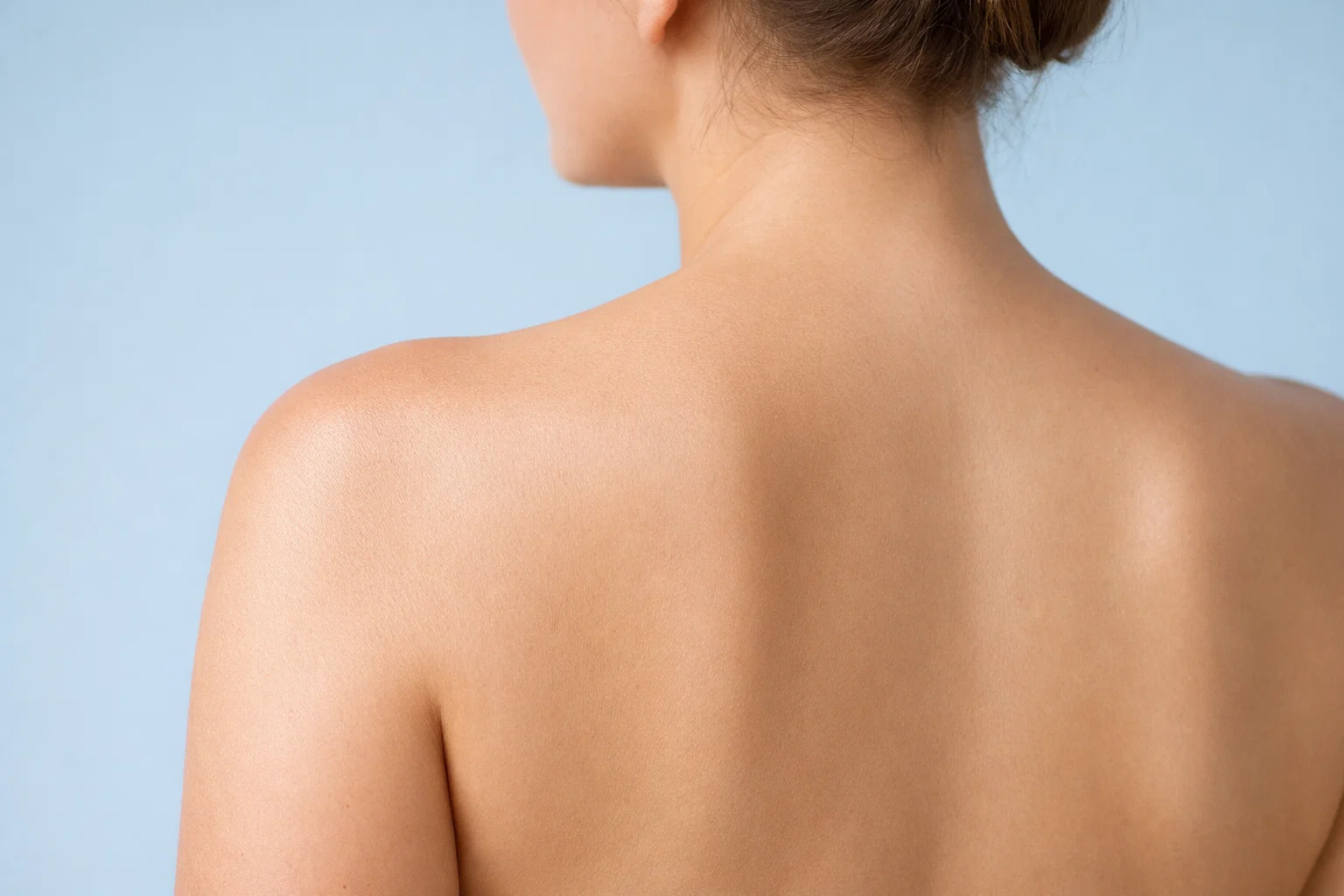
Back Acne Overview
Understanding the nature of body acne is essential before starting any treatment plan. This section covers the basics of how this condition manifests and who is most susceptible to developing it.
What is back acne?
This skin condition is a form of folliculitis or vulgaris that develops on the back of the body. Like facial acne, it occurs when hair follicles become clogged with oil and dead skin cells, leading to inflammation.
The severity can range from mild spots with a few blackheads to severe cases featuring painful cysts. Because the back has a high density of sebaceous glands, the acne can be more intense.
Who might get body acne?
Blemishes on the torso affect approximately 40–60% of individuals who already experience facial spots. While common in teenagers and young adults due to puberty, it frequently persists into adulthood for both men and women.
Athletes and those with a family history of skin issues are also more likely to experience this acne. Understanding that body blemishes require targeted solutions is the first step toward successful long-term management.
Common symptoms of back acne
The symptoms in this region can vary significantly depending on the severity of the inflammation. Recognising these signs early is crucial for selecting the right over-the-counter or professional interventions.
- Whiteheads (closed comedones) that appear as small white bumps.
- Blackheads (open comedones) where the pore is open to the air.
- Small red bumps (papules) that feel tender to the touch.
- Pustules containing visible pus at the tip.
- Deep, painful nodules or cystic lesions.
Identification of different acne types on back
Comedonal clogs consist of non-inflamed blocked pores, appearing as small bumps. Inflammatory spots involve red, sensitive areas that may contain pus, often requiring stronger treatments to resolve effectively.
Cystic lesions are the most severe form, characterized by deep, painful bumps that can lead to permanent scarring. Identifying your specific type of breakout is crucial for selecting effective treatments and preventing long-term damage.
Understanding Primary Causes of Back Acne
To treat these spots effectively, we must first examine why this acne occurs in the first place. Several biological and external factors work together to create the perfect environment for blemish development.
What exactly causes back acne?
Irritation is caused when excess sebum combines with dead skin cells to clog a pore. On the torso, these blockages are often deeper and more difficult to reach than those on the face.
Bacteria known as C. acnes thrive in these clogged environments, triggering inflammation and redness. Understanding this process helps in choosing products that specifically target the root of the skin condition.
Hormonal factors and sebum overproduction
Hormonal fluctuations often contribute to breakout development by increasing oil production. These shifts occur during puberty, menstrual cycles, or periods of high stress, leading to more frequent spots.
Androgens stimulate the sebaceous glands, making the back of your shoulders significantly oilier. This excess oil is a primary driver for the persistent blemishes many adults experience.
Genetic predisposition and causes of back acne
Family history strongly influences blemish development and how your skin responds to inflammation. If your parents struggled with severe acne, you are more likely to get spots on the back as well.
Genetics determine how effectively your skin sheds dead cells and the size of your oil glands. This biological blueprint is often why some people experience torso acne despite having a perfect hygiene routine.
Factors that make back acne worse
Identifying specific habits that contribute to irritation is key to maintaining clear skin. Many patients unknowingly engage in activities that irritate the body and worsen the condition.
- Using heavy, oil-based body lotions that are comedogenic.
- Wearing dirty workout gear or reusing sweaty towels.
- Aggressive scrubbing with loofahs or harsh body brushes.
- Picking or squeezing active spots on your back.
- Frequent use of heavy backpacks or tight sports equipment.
Impact of sweat and lifestyle triggers
Sweat alone does not cause blemishes, but it can contribute to irritation when trapped against the skin. This creates a warm, humid environment where bacteria multiply rapidly, leading to “acne mechanica” from friction.
Tight clothes and heavy backpacks further exacerbate the problem by preventing the skin from breathing. These lifestyle triggers are often the hidden reason why many people continue to experience these acne.
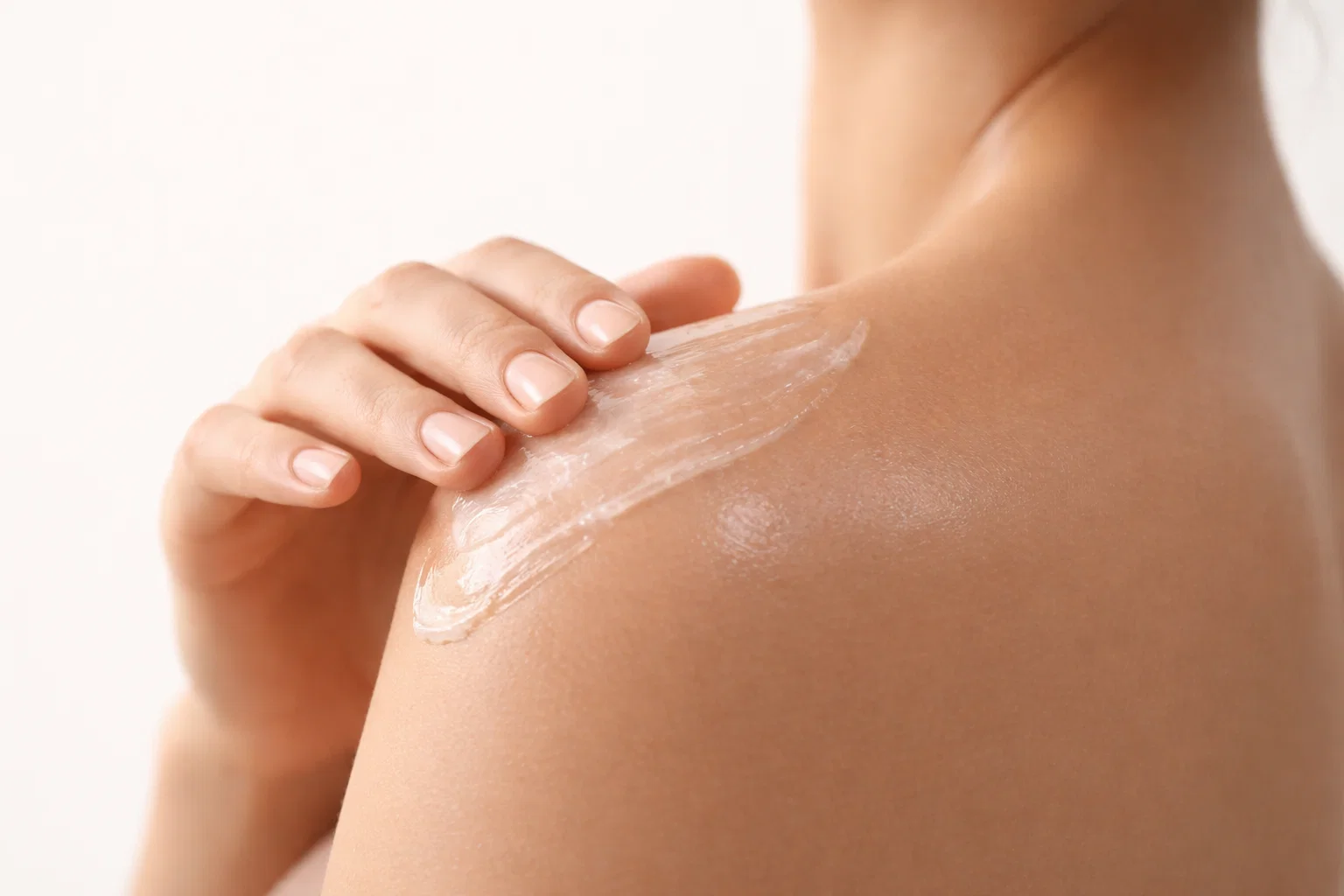
Effective Topical Treatments for Body Acne
Topical solutions are the first line of defence for most patients. Choosing the right active ingredient is essential, as different acids and chemicals target different aspects of the blemish cycle.
Ingredient | Primary Function | Best For |
Salicylic Acid | Clears pores and exfoliates | Blackheads and whiteheads |
Benzoyl Peroxide | Kills bacteria and reduces redness | Inflamed spots and pustules |
Adapalene (Retinoid) | Regulates cell turnover | Long-term prevention and texture |
Glycolic Acid | Surface exfoliation | Brightening and minor clogs |
Using salicylic acid to clear pores
Salicylic acid is a beta-hydroxy acid that penetrates deep into the pore to dissolve blockages. It is highly effective for treating comedonal blemishes and preventing future clogs on the back.
Using a wash with this ingredient or products like the Inkey List Salicylic Acid Cleanser can provide surface exfoliation. This helps shed dead skin cells before they have a chance to lead to acne.
Benzoyl peroxide and other topical treatments
Benzoyl peroxide is a gold-standard blemish treatment because it kills bacteria and reduces inflammation. It is particularly helpful for red, angry spots on your back that feel tender.
When using this medicine, it is important to let the product sit on the skin for several minutes. These topical applications are available in various strengths to suit different skin sensitivities and severity levels.
Retinoids and Differin gel options
A topical retinoid works by accelerating cell turnover, preventing dead skin cells from clogging pores. This long-term management tool helps refine skin texture and prevent new lesions from forming.
Adapalene, found in Differin gel, is a powerful option for those with persistent torso spots. Consistent use of a retinoid can significantly reduce the total number of acne over several months.
How to apply medicine and treat back acne effectively
Applying topical solutions to the back can be physically difficult, often requiring a long-handled applicator. Ensure the skin is completely dry before application to reduce the risk of irritation from potent ingredients.
Treating the entire affected area, rather than just spot-treating, is crucial for preventing new blemish development. Applying your treatment at night allows the active ingredients to work undisturbed while you sleep.
Advanced combinations for body acne treatment
For many, a comprehensive approach involves combining different active ingredients to target multiple causes. For example, using a salicylic acid cleanser in the morning and a retinoid at night.
Innovative skin treatment products can target both active acne and the marks they leave behind. Products like the Inkey List Glycolic Acid Body Stick offer a convenient way to apply exfoliating acids.
Professional Management and How Back Acne is Treated
When home care is insufficient, professional skin treatment becomes necessary. Our London clinic provides medical-grade solutions that are more potent than standard over-the-counter options.
When back acne is treated with oral medication
If topical solutions do not provide results after 8–12 weeks, oral medications may be necessary. Dermatologists often prescribe antibiotics to reduce bacterial load and calm significant systemic inflammation.
In cases where hormonal fluctuations are the primary driver, specific medications may help regulate oil production. These systemic treatments reach the deep-seated inflammation that creams sometimes miss.
Prescription strength topical solutions
Clinical studies suggest that prescription-strength formulations are often required for the thicker skin on the back. These may include higher concentrations of tretinoin or combination antibiotic-benzoyl peroxide gels.
A dermatologist can tailor these stronger treatments to your specific skin type and tolerance. This personalized approach ensures you get the results needed without excessive dryness or peeling.
In-office procedures performed by a dermatologist
Professional procedures like chemical peels can deeply exfoliate the area and clear blocked pores. These treatments use high-concentration acids to remove dead skin cells and improve overall skin clarity.
Laser therapy and light-based treatments are also effective for reducing the bacteria that cause spots. These in-office options provide a more intensive approach for those with stubborn or severe acne.
Specialized medical care for severe cases
When the condition is severe and scarring is a concern, isotretinoin may be recommended as a definitive solution. This medication targets all four causes of blemish development for long-lasting skin clearance.
Specialized medical care is vital for managing the physical and emotional impact of severe skin conditions. Our clinic provides the oversight necessary to navigate these potent treatments safely and effectively.
Proven Ways to Prevent Back Acne
Prevention is just as important as the treatment itself. By modifying your daily routine, you can significantly reduce the risk of new acne and maintain the results of your treatments.
Post-exercise hygiene to prevent back acne
Showering immediately after a workout is essential to remove sweat, oil, and bacteria from the skin surface. If a shower isn’t available, using a medicated wipe can help prevent further blemishes.
Changing out of damp gym clothes as soon as possible reduces friction and irritation. This simple hygiene step is one of the most effective ways to manage the affected region for active individuals.
Clothing and fabric strategy to prevent back acne
Wearing loose-fitting, breathable fabrics like cotton or moisture-wicking materials helps keep the skin dry. Tight clothes trap heat and sweat, which can irritate the torso and lead to spots.
Avoid wearing heavy backpacks for long periods, as the pressure and friction can trigger acne. Opting for a handheld bag can sometimes make a noticeable difference in your skin’s health.
Hair care modifications to keep skin clear
Conditioners and hair oils often contain ingredients that can clog pores if they rinse down your torso. Washing the back after rinsing out hair products ensures no residue is left behind.
- Rinse conditioner forward over your shoulders.
- Use a body wash as the final step in your shower.
- Keep long hair tied up while hair masks are processing.
- Avoid leave-in products that are highly oil-based.
Laundry habits and lifestyle changes to treat back acne
Washing your bed sheets and towels regularly prevents the buildup of bacteria and dead skin cells. Using a fragrance-free, hypoallergenic detergent reduces the risk of further irritating an existing skin condition.
Clean workout gear is mandatory for every session to avoid reintroducing bacteria to the body. These laundry habits support your overall treatment plan by maintaining a clean environment.
Dietary considerations and sunscreen choice
While more research is needed, some clinical studies suggest that high-glycemic diets may contribute to spots. Staying hydrated and eating balanced meals supports the skin’s natural healing and regenerative processes.
When outdoors, choose a sunscreen labeled “non-comedogenic” or “oil-free” to protect the area without clogging pores. Protecting inflamed skin from the sun is also vital to prevent dark spots.
How to Get Rid of Back Acne Scars
Once active acne are under control, many patients shift their focus to fading the marks left behind. Scar management requires a different set of ingredients and professional procedures.
Types of back acne scars
This skin condition often leaves behind atrophic scars, which appear as small indentations or pits in the skin. Alternatively, some people develop hypertrophic scars, which are raised and firm to the touch.
Post-inflammatory hyperpigmentation (PIH) is also common, manifesting as dark or red spots after a blemish heals. Distinguishing between these marks is essential for selecting the correct resurfacing treatment.
Topical treatments for post-inflammatory hyperpigmentation
Ingredients like vitamin C, niacinamide, and azelaic acid can help fade dark marks over time. These topical solutions work by inhibiting melanin production and promoting a more even skin tone.
- Vitamin C for brightening and antioxidant protection.
- Azelaic acid to reduce redness and bacteria.
- Niacinamide to support the skin barrier.
- Alpha-hydroxy acids for faster cell turnover.
Professional resurfacing treatments for acne scars
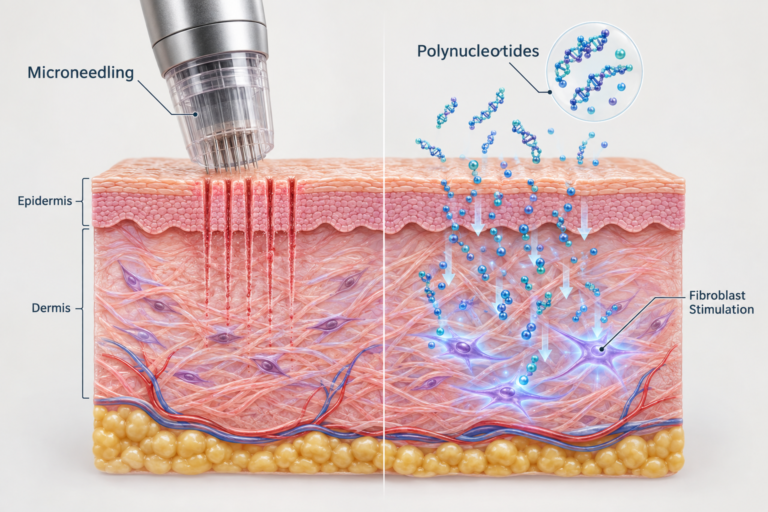
Microneedling and laser resurfacing are highly effective professional options for smoothing the skin’s texture. These treatments stimulate collagen production, which helps “fill in” indented scars from the inside out.
Dermatologists may also use chemical peels to reach deeper layers of the torso skin for more dramatic results. These procedures are often the best way to address long-term scarring.
Routine integration and consistency for healing
Scars require a dedicated approach involving both professional treatments and a supportive home care routine. Protecting the area from UV damage is the most important step in preventing scars from darkening.
Healing is a slow process that requires patience and adherence to your dermatologist’s advice. Maintaining a stable routine ensures your skin has the resources it needs to repair itself.

When to Consult a Dermatologist
Knowing when to transition from home care to professional medical advice can prevent permanent damage. A specialist can offer a comprehensive treatment plan that targets your specific type of blemishes.
Clear indicators for professional acne treatment
You should seek professional help if your acne is severe, painful, or causing permanent scars. If over-the-counter products haven’t worked after three months, a specialist can offer more effective solutions.
Widespread lesions that affect your self-confidence or daily activities are also a clear sign to consult. Early intervention is the most effective way to prevent long-term skin damage.
Signs of treatment resistance
If you are using products like salicylic acid or benzoyl peroxide correctly but seeing no improvement, your blemishes may be resistant. This often happens with deeper, cystic spots that require systemic medication.
Flares that occur despite a perfect hygiene and lifestyle routine suggest an underlying hormonal or genetic cause. A professional evaluation can identify these factors and adjust your plan accordingly.
Finding the right dermatologist for persistent spots
Look for a clinic that specializes in medical dermatology and has experience treating body acne specifically. A qualified expert will perform a physical exam and review your medical history thoroughly.
- Check for board certification in dermatology.
- Look for specialists in London clinics.
- Verify experience with torso skin treatments.
- Read patient testimonials regarding blemish management.
Timeline for seeking expert medical advice
Do not wait until your skin condition becomes unmanageable or deeply scarred before booking an appointment. Most patients see the best results when they address persistent spots at the first sign of scarring.
Establishing a relationship with a professional allows for ongoing adjustments as your skin changes over time. Taking action now can save you months of frustration and improve your long-term skin health.
Back Acne FAQ
How fast can I get rid of back acne?
Most people see initial improvements within 4 to 6 weeks of consistent treatment, though significant clearance usually takes 3 months. The back heals more slowly than facial tissue because it is thicker and under constant friction. Patience and daily adherence to your routine are essential for seeing lasting results.
Can I use face products to treat back acne?
Yes, many active ingredients like salicylic acid and retinoids work well on both the face and torso. However, the back is tougher, so it often requires higher concentrations or more frequent application to be effective. Specialized body products are often more convenient for covering the larger surface area.
Should I stop working out if I have back acne?
You do not need to stop exercising, as physical activity is beneficial for your overall health and stress levels. To prevent acne, ensure you wear moisture-wicking clothing and shower immediately after your workout to remove sweat and oil. Managing the post-exercise environment is more important than avoiding the exercise itself for clear skin.
Are there side effects to topical body treatments?
Topical treatments like benzoyl peroxide can cause dryness, peeling, and irritation if used too frequently or on sensitive skin. Benzoyl peroxide is also known to bleach fabrics, so it is best to wear old clothing after application. Gradually introducing new products and using a lightweight moisturizer can help minimize these common side effects.
How do I know if my back acne is hormonal?
Hormonal acne often flares up in predictable cycles or during periods of high stress and typically appears as deep cysts. If your spots are resistant to standard hygiene and topical treatments, hormones may be the primary driver. A specialist can perform tests to confirm if hormonal fluctuations are contributing to your persistent skin condition.
Newsletter Updates
Enter your email address below and subscribe to our newsletter