
Where To Inject Btx For Jowls: Correction Points
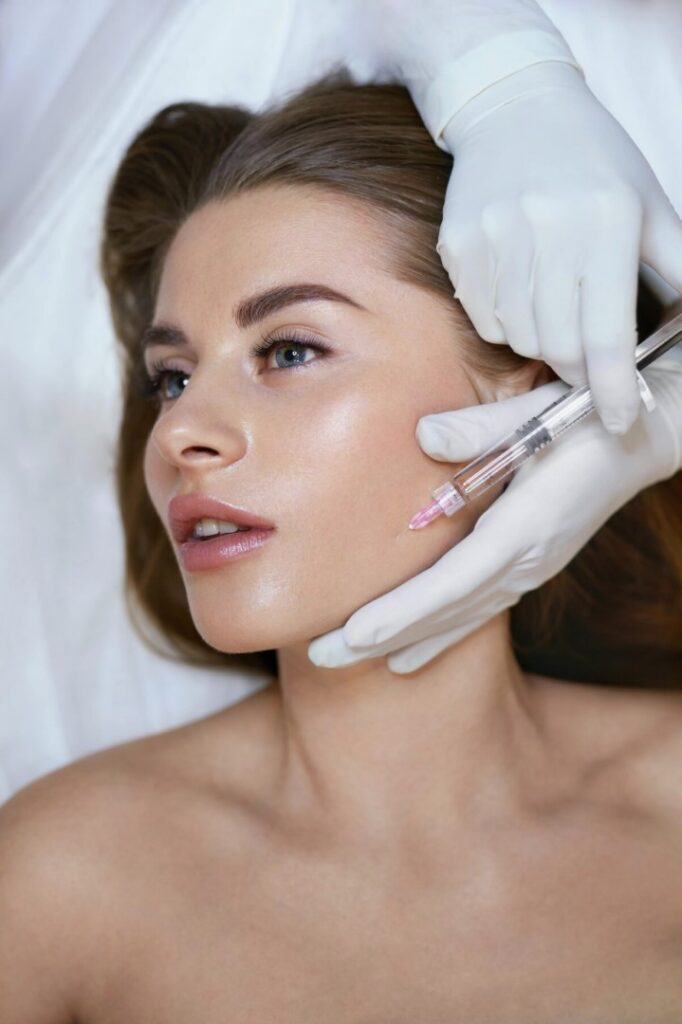
Sagging jowls represent one of the most visible signs of facial aging, affecting the lower face contour and diminishing jawline definition. While surgical intervention was once the only solution, btx injections now offer a non-surgical approach to addressing this concern. Understanding the precise injection sites and mechanisms behind jowl formation enables practitioners to deliver natural, effective results that restore a more youthful appearance without downtime.

Thousands of satisfied customers

Facial Muscles Contributing To Jowls
The development of jowls involves multiple facial muscles working against the skin’s natural elasticity. As we age, certain muscles become overactive whilst others weaken, creating an imbalance that leads to tissue descent.
Masseter Muscle Hypertrophy
The masseter muscle, responsible for chewing, can become enlarged through habitual teeth grinding or clenching. This enlargement creates several issues:
- Widens the lower face, creating a square appearance
- Adds weight that exacerbates the appearance of jowls
- Masks the natural jawline contour
Btx treatment in this area reduces muscle bulk over time, slimming the face and revealing underlying bone structure for improved definition.
Platysma Band Downward Pull
The platysma muscle extends from the chest up through the neck to the lower face, creating visible vertical bands as it contracts. This muscle exerts constant downward tension on facial tissues, pulling the jawline and jowl area towards the neck. Research suggests this “tug-of-war” effect significantly worsens jowl sagging over time. By strategically placing btx injections along these bands, practitioners can release the downward pull, allowing the face’s elevator muscles to work more effectively.
Depressor Anguli Oris Impact
The Depressor Anguli Oris (DAO) muscle pulls the corners of the mouth downward, creating marionette lines that extend from the mouth to the chin. This muscle’s action accentuates the fold between the lower face and jowl, making sagging jowls appear more prominent. Relaxing the DAO with btx injections lifts the mouth corners whilst reducing the depth of lines that emphasise jowl formation, contributing to a more youthful lower face appearance.
Strategic Injection Sites For Jawline Definition
Precise btx injection placement determines treatment success when addressing jowls. Each targeted muscle requires specific techniques to achieve the desired lift without compromising natural facial movement.
Targeting Posterior Jawline
Injections along the posterior border of the mandible (back of the jawbone) relax the masseter muscle’s lower fibres. Practitioners typically inject btx at three to five points along this line, working from the angle of the jaw towards the ear. Clinical data suggests patients see a 20-30% reduction in masseter width after consistent treatment, significantly improving jawline definition and reducing the heavy appearance associated with jowl formation.
Treating Depressor Anguli Oris
The DAO requires careful injection technique approximately 1cm lateral to the corner of the mouth. Practitioners must inject superficially into the muscle belly to avoid affecting the risorius muscle, which controls smiling. Proper placement lifts the mouth corners by 2-3mm, reducing the marionette fold and creating the illusion of less prominent jowls.
Platysmal Band Injections
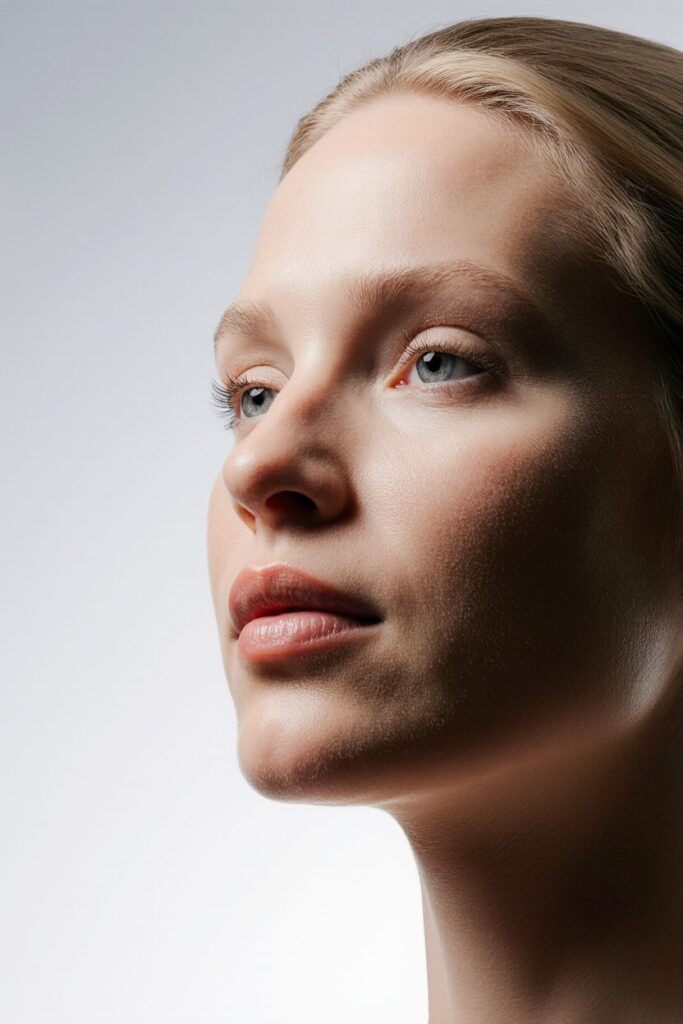
Vertical platysma bands receive multiple small btx injections along their length, typically starting 2cm below the jawline. This technique releases the downward tension that contributes to sagging. Practitioners inject superficially into the muscle bands at 1-1.5cm intervals, using lower doses to maintain neck muscle function whilst achieving visible lift in the lower face.
Advanced Injection Techniques And Depths
Technical precision in btx administration determines both safety and efficacy when treating jowls. Understanding injection depth, dilution, and muscle anatomy separates satisfactory results from exceptional outcomes.
Proper Injection Depth Importance
Injection depth varies depending on the target muscle:
- Masseter: 8-10mm depth to reach the muscle belly
- DAO and platysma: 2-4mm for superficial placement
Incorrect depth can lead to btx diffusing into adjacent muscles, potentially affecting the risorius and causing an asymmetric smile. Proper depth ensures the neurotoxin remains concentrated in the target muscle, maximising effectiveness whilst minimising unwanted side effects.
Nefertiti Lift Method
Named after the Egyptian queen known for her defined jawline, the Nefertiti Lift involves a series of small btx injections along the mandibular border and upper neck. This technique typically uses 20-40 units distributed across 8-12 injection points, creating a continuous line of muscle relaxation. The method addresses both the platysma’s downward pull and creates subtle contouring that reduces the appearance of jowls.
Dosage Recommendations Per Area
Effective jowl treatment requires tailored dosing:
- Masseter: 15-25 units per side for slimming
- DAO: 2-4 units per side to lift mouth corners
- Platysmal bands: 2-3 units per injection point across 4-6 sites
These ranges vary based on muscle strength, patient goals, and anatomical variations. Conservative initial dosing with follow-up adjustments ensures optimal results whilst maintaining natural movement essential to a youthful appearance.
Non-Surgical Alternatives And Combinations
Addressing sagging jowls often requires a comprehensive approach, as different anatomical factors contribute to their formation.
Dermal Fillers Vs Btx
Btx works by relaxing muscles that pull the lower face downward, whilst dermal fillers restore lost volume that causes tissue descent. When jowls result primarily from volume depletion in the midface or cheeks, fillers provide superior results. Conversely, when muscle activity creates the jowl appearance, btx treatment proves more effective. Many patients exhibit both volume loss and muscle hyperactivity, requiring careful assessment.
Combining Therapies For Results
The “liquid facelift” combines btx injections with strategic filler placement for comprehensive jowl correction:
- Btx relaxes downward-pulling muscles
- Fillers restore structure to chin, prejowl sulcus, and jawline
- Combined approach addresses both dynamic and static components
Studies indicate combination treatments achieve 40-50% greater patient satisfaction compared to single-modality approaches, delivering a more youthful and naturally contoured lower face.
Surgical Options Overview
Non-surgical treatments effectively address mild to moderate jowls, but severe sagging with significant skin laxity may exceed their capabilities. When skin has lost substantial elasticity or tissue descent is pronounced, surgical facelift procedures become necessary. Practitioners should honestly assess whether btx injections and fillers can achieve the patient’s desired jawline definition.
Patient Expectations And Recovery
Understanding the treatment timeline and potential side effects helps patients make informed decisions about btx for jowls whilst setting realistic expectations.
Timeline For Visible Lift
Btx injections don’t produce immediate results in the jowl area. The neurotoxin requires 3-5 days to begin relaxing target muscles, with full effects appearing at 10-14 days post-treatment. The jawline lift and reduction in jowl appearance develops gradually as the platysma, DAO, and masseter muscles release their tension.
Duration Of Treatment Effects
Btx injections for the lower face typically last 3-4 months, though individual metabolism affects duration. The masseter muscle may show effects lasting 4-6 months due to its size and the muscle atrophy that occurs with repeated treatment. Maintaining the lifted, youthful appearance of the jawline requires regular appointments every 3-4 months.
Potential Side Effects
Common temporary side effects include:
- Mild bruising, swelling, or tenderness at injection sites (resolving within 3-5 days)
- Asymmetric smiling if btx migrates to the risorius muscle (rare)
- Difficulty chewing if excessive masseter relaxation occurs (2-3% of patients)
These issues resolve as the btx wears off. Choosing an experienced injector familiar with lower face anatomy significantly reduces risks whilst maximising natural, youthful results.
Frequently Asked Questions
Best remedy for sagging jowls?
The optimal treatment depends on jowl severity and underlying cause. Mild sagging caused by muscle hyperactivity responds well to btx injections targeting the platysma, DAO, and masseter. Moderate jowls with volume loss benefit from combining btx treatment with dermal fillers. Severe sagging with significant skin laxity requires surgical intervention, as non-surgical options cannot adequately address excess tissue.
Can fillers help sagging jowls?
Dermal fillers can improve the appearance of jowls by adding volume to areas above and around them. Injecting filler into the cheeks creates an upward pull that reduces jowl prominence. Placing filler along the jawline and in the prejowl sulcus restores lost structure. However, fillers work differently than btx – they add volume rather than relax muscles. The most effective approach often combines both for a lifted, youthful jawline.
Suitable candidates for treatment?
Ideal candidates for btx treatment of jowls have mild to moderate sagging primarily caused by muscle hyperactivity rather than severe skin laxity. Patients in their 30s to 50s with good skin elasticity typically achieve the best results. Those with enlarged masseter muscles, visible platysmal bands, or prominent DAO activity respond particularly well to strategic botox injections. Candidates should have realistic expectations, understanding that results are subtle and require maintenance.