
Non-Surgical Rhinoplasty Guide: Comparing Nose Filler to Surgical Nose Job


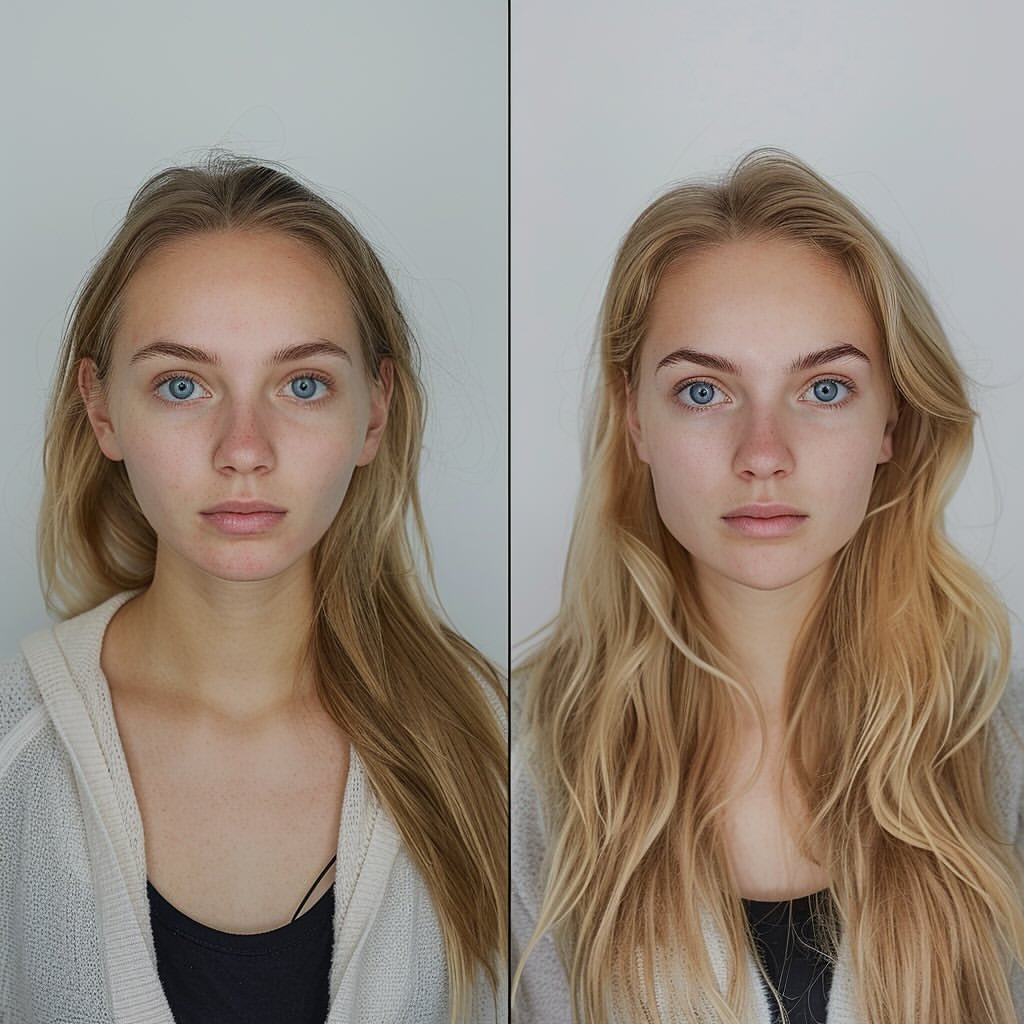

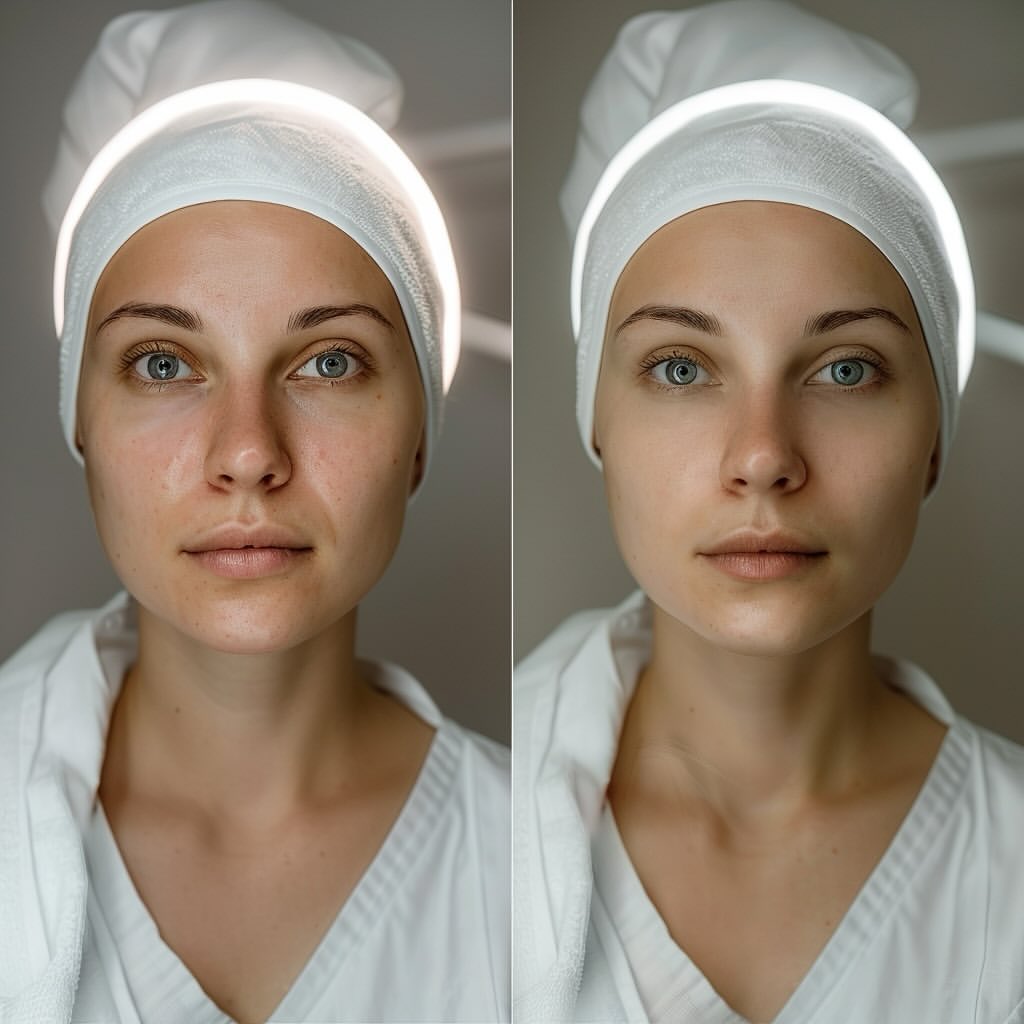
Thousands of satisfied customers
Non-Surgical Rhinoplasty Overview
A non-surgical nose job is a minimally invasive cosmetic procedure that uses dermal filler to temporarily change the shape of your profile. It provides an effective alternative for those unhappy with the look without the need for surgery.
This procedure involves the precise injection of a gel product, typically a hyaluronic acid substance, into specific areas of the face. It allows for immediate refinement of the nasal profile with little to no downtime.
Potential for lifting tip of the nose with filler
Strategically injecting substance into the tip of the nasal area can create a visible lift. This technique is often used to correct a drooping apex, making the entire feature appear more refined and balanced.
By adding volume to the base or the tip itself, one of our medical experts can adjust the angle. This subtle change significantly improves the overall aesthetic of your facial silhouette.
Key characteristics of liquid rhinoplasty
Liquid rhinoplasty is defined by its speed and convenience. Often referred to as a “lunchtime lift,” the procedure is quick, usually taking under thirty minutes to complete in a clinical setting.
Key benefits of this approach include:
- Instant visible transformation
- No general anaesthesia required
- Minimal post-procedure swelling
- Fully reversible results
Ideal Candidates for Treatment
Who can have nose filler?
Nasal aesthetic corrections using dermal injectables are an excellent choice for adults looking to make minor adjustments. Ideal candidates are those who want to improve their appearance without undergoing a full surgical procedure.
If you have a small bump on the bridge or desire better symmetry, this treatment may be right for you. It is essential to have realistic expectations regarding the results without surgery.
Correcting misshapen nose concerns with non-surgical nose reshaping
Non-surgical reshaping is highly effective at camouflaging a crooked profile or a prominent dorsal hump. By injecting product around these areas, the feature appears straighter and more harmonious with your attributes.
Common concerns addressed by this method:
- Slight asymmetry
- A flat nasal bridge lacking definition
- A hooked or “Roman” profile
- Minor irregularities after a previous surgery

Procedure and Methodology
How non-surgical rhinoplasty works
During the treatment, a specific type of filler is injected into the target area at precise depths. The gel adds volume to specific spots, allowing the practitioner to sculpt and change the shape of the face.
The process focuses on the soft tissue rather than the bone or cartilage. This allows for reshaping the exterior profile to create a more pleasing appearance without altering the internal anatomy.
Dermal filler types used for non surgical nose job
Most practitioners use the highest quality hyaluronic acid dermal injections for this procedure. Hyaluronic acid is a naturally occurring substance in the skin, making it a safe and reversible choice.
Using a reputable gel product ensures the results are smooth and predictable. This type of solution provides the necessary structural support to maintain the new shape of your profile for several months.
Numbing and local anesthetic requirements
To ensure your comfort, we apply a topical numbing cream to the treatment area before the injection. Many modern injectables also contain a local anesthetic to further minimize any sensation during the process.
Most patients describe the feeling as a slight pressure rather than pain. This approach ensures the rhinoplasty procedure is a comfortable experience, allowing you to remain relaxed throughout the session.
Injection techniques for bridge and tip correction
Our highly experienced clinicians use fine needles or cannulas to inject substance into the bridge of the nose. This technique allows for meticulous smoothing of bumps and a straighter profile.
For the tip, injecting gel requires precision to avoid affecting the function of the airway. Proper placement ensures the apex looks lifted and defined while maintaining a natural look that suits your face.
Treatment Journey Details
Preparation steps before non surgical rhinoplasty
Before your treatment, we recommend you book a free consultation to discuss your goals. Avoid blood-thinning supplements or alcohol for a few days to reduce the chance of a discrepancy or a bruise.
To prepare effectively, consider the following:
- Discontinue aspirin or ibuprofen 1 week prior
- Avoid vitamin E and fish oil supplements
- Stay hydrated on the day of treatment
- Arrive with a clean, makeup-free face
Experience during injection process
The practitioner will carefully mark the injection sites to ensure accuracy. The substance is injected into the face in small increments, allowing for constant evaluation of the evolving shape and symmetry.
You will be able to see the progress in a mirror as the clinician works. This interactive approach ensures that you and your practitioner are aligned in achieving the results you desire.
Expected time for nose filler to settle
While the results are immediate, it takes about two weeks for the filler to fully settle. During this period, any initial swelling and redness will gradually subside, revealing the final refined shape.
The gel integrates with your natural tissues over these fourteen days. It is important to avoid placing heavy pressure on the area during this time to ensure the substance stays in place.
Aftercare and specialist recovery instructions
Aftercare is simple, with most patients returning to work immediately. We advise against wearing heavy glasses for the first few days to prevent indentations in the newly injected product.
You should also avoid strenuous exercise and saunas for at least 48 hours. Following these specialist instructions helps the results last and reduces the risk of any minor complications or displacement.

Results and Longevity
How long does non-surgical nose job last?
The effects of a liquid procedure are temporary and typically last between 12 to 18 months. Because the center of the face is a low-movement area, the gel tends to break down more slowly.
Metabolism and the specific injectable used can influence how long the results will last. Many patients find that annual top-ups are sufficient to maintain their improved profile consistently over time.
Factors affecting how long nose filler lasts
Individual biological factors, such as how quickly your body absorbs hyaluronic acid, play a significant role. Lifestyle choices, including sun exposure and smoking, can also impact the longevity of the treatment.
Several factors influence duration:
- The metabolic rate of the patient
- The specific brand of gel used
- The volume of product injected
- Daily levels of facial sun exposure
Tips to make results of liquid rhinoplasty last longer
Staying hydrated helps the hyaluronic acid maintain its volume and structure. Protecting your skin from excessive UV damage by using high-SPF sunscreen also prevents the premature breakdown of the product.
Following the initial aftercare advice is crucial for long-term success. Regular, scheduled maintenance appointments with your clinician will help you keep the shape of your features exactly as you prefer it.
Realistic expectations for nose size and shape changes
It is important to understand that volume adds definition; it cannot physically make the feature smaller or narrower. However, by smoothing bumps, it can make the face appear more balanced and symmetrical.
The goal is to improve the harmony of your facial features. A non-surgical rhinoplasty can significantly enhance your look, but it cannot replace the structural changes possible with traditional surgery.

Safety and Potential Risks
Safety profile of non-surgical rhinoplasty
Non-surgical jobs are an excellent, low-risk option when performed by a qualified medical professional. The use of reversible hyaluronic acid injectables adds an extra layer of safety to the procedure.
While complications are rare, choosing an experienced clinician is essential. They understand the complex vascular anatomy of the face, which is critical for ensuring a safe and successful aesthetic outcome.
Common side effects of nose fillers
Most patients experience minor swelling and redness at the injection sites. These effects are usually mild and resolve within a few days without the need for any additional medical intervention.
Typical post-treatment reactions:
- Mild tenderness at the site
- Slight redness for 24-48 hours
- Small temporary bumps
- Minor localized bruising
Managing swelling and bruising after treatment
Applying a cold compress gently to the area can help reduce initial swelling. Staying upright and avoiding salt-heavy meals for 24 hours also aids in minimizing fluid retention around the feature.
If a bruise occurs, arnica cream may be used to speed up the recovery. Most patients find that any minor discoloration disappears completely within a week of the treatment session.
Risks of filler migration or complications
Though unlikely, there is a small risk of the gel moving if the area is massaged too vigorously. Serious complications, such as vascular occlusion, are extremely rare when treated by highly experienced experts.
If you notice any unusual pain or skin changes, you should contact your healthcare provider immediately. Our clinic provides comprehensive support and can use dissolving agents if any issues arise after treatment.
Practical Recovery Advice
Wearing glasses after nose filler
We recommend avoiding heavy frames or sunglasses for the first week after your procedure. The weight of the bridge can cause the soft gel to shift or create permanent indentations.
If you must wear glasses, try to keep them as light as possible or pad the contact point. Once the product has fully integrated with your tissue, you can resume wearing your usual eyewear.
Exercise restrictions post-procedure
Avoid high-impact exercise for at least 48 hours to prevent increased blood flow and swelling in the face. Activities like heavy lifting or intense cardio could potentially displace the freshly injected substance.
Gentle walking is perfectly fine and encouraged. Once the initial 48-hour window has passed, you can safely return to your regular fitness routine without worrying about affecting your results.
Timeline for returning to social activities
Most patients feel comfortable returning to social events the very next day. While there might be some minor swelling, it is rarely noticeable to others and can be managed effectively.
If you have an important event, like a wedding, we suggest booking your treatment two weeks in advance. This ensures the gel has settled perfectly and any minor bruising has completely faded.
When to contact healthcare provider
Contact our clinic if you experience increasing pain, unusual redness, or any blanching of the skin. While these symptoms are rare, early intervention by a medical professional is the best safety practice.
Regular follow-up is part of our commitment to patient care. We are always available to answer questions during your recovery to ensure you feel confident and satisfied with your results.

Cost and Value Assessment
Non-surgical rhinoplasty price breakdown
The cost of a non-surgical procedure in London typically ranges from £400 to £800. This price includes the consultation, the gel itself, and the expertise of the medical professional performing the procedure.
Factors like the amount of product required and the complexity of the reshaping can influence the final price. We provide a clear breakdown during your consultation so there are no hidden surprises.
Comparing costs: nose filler vs surgical nose job
A surgical operation can cost anywhere from £5,000 to £10,000, making injectables a much more affordable entry point. It allows patients to “test drive” a new look before committing to surgery.
When you factor in the hospital fees and time off work for surgery, the gel is highly cost-effective. It provides significant aesthetic improvements for a fraction of the traditional surgical investment.
Evaluating if non-surgical nose job is worth it
For many, the ability to improve their profile without the risks of general anesthesia is invaluable. The instant results and minimal downtime make it a popular choice for busy professionals.
If you want to make minor changes to the shape of your profile, it is certainly worth considering. It offers a high level of satisfaction for those seeking subtle yet impactful facial harmony.
Comparison with Surgical Rhinoplasty
Benefits of surgical nose job over temporary fillers
Surgical rhinoplasty offers a permanent solution for those who want to significantly change the function or structure of their anatomy. It can physically make the feature smaller and resolve internal breathing issues.
While the recovery time is longer, the results are lifelong. Surgery is often the better choice for patients with major structural deformities that gel cannot effectively camouflage or correct.
How long does a surgical nose job last compared to filler?
A surgical operation lasts for a lifetime, as it involves the permanent removal or reshaping of bone and cartilage. In contrast, cosmetic procedures must be repeated every year or two to maintain the look.
The following comparison highlights the core differences:
Feature | Non-Surgical Nose Job | Surgical Rhinoplasty |
Duration | 12 – 18 months | Permanent |
Downtime | Under 24 hours | 2 – 4 weeks |
Cost | £400 – £800 | £5,000 – £10,000 |
Anaesthesia | Topical cream | General anaesthesia |
Results | Immediate | Final after 12 months |
Permanence and long-term investment analysis
Choosing surgery is a major life decision that requires careful planning and a healthy budget. It provides a definitive end to concerns about facial appearance for those certain of their desired look.
Product remains a flexible investment for those who are not yet ready for a permanent change. It allows for a gradual transition and the ability to adjust the look as facial trends change.
Choosing right procedure for specific facial goals
If you want to remove a large amount of tissue or narrow the nostrils, surgery is the only option. Filler is best suited for smoothing the bridge and refining the apex for a better profile.
Discussing your goals with a surgeon who also performs non-surgical treatments can provide an unbiased view. This ensures you choose the path that best aligns with your long-term aesthetic and functional needs.
Frequently Asked Questions
Does nose filler hurt?
Most patients find the procedure very tolerable with the help of numbing cream. You might feel a quick pinch and some pressure as the gel is injected into the face, but it is rarely described as painful. The local anesthetic mixed in the product also helps numb the area internally.
Can non surgical rhinoplasty make nose smaller?
Injectables cannot physically remove tissue or bone to make your profile smaller or narrower. However, by smoothing out a bump on the bridge or lifting the tip, the feature can appear more streamlined and balanced. This optical illusion often makes the face look more refined in relation to other features.
Is non-surgical rhinoplasty permanent?
No, a non-surgical procedure is a temporary solution. The body naturally breaks down the hyaluronic acid over time, typically within 12 to 18 months. This lack of permanence is actually a benefit for many, as it allows for adjustments or reversal if your aesthetic preferences change over time.
How much filler is needed for nose reshaping?
Most non-surgical jobs require less than 1ml of dermal product to achieve a significant result. The exact amount depends on your specific goals and the initial shape of the profile. During your consultation, your clinician will determine the precise volume needed to achieve the desired result safely.