
Comprehensive Guide to Different Types of Lip Injection Techniques for Defined Lips
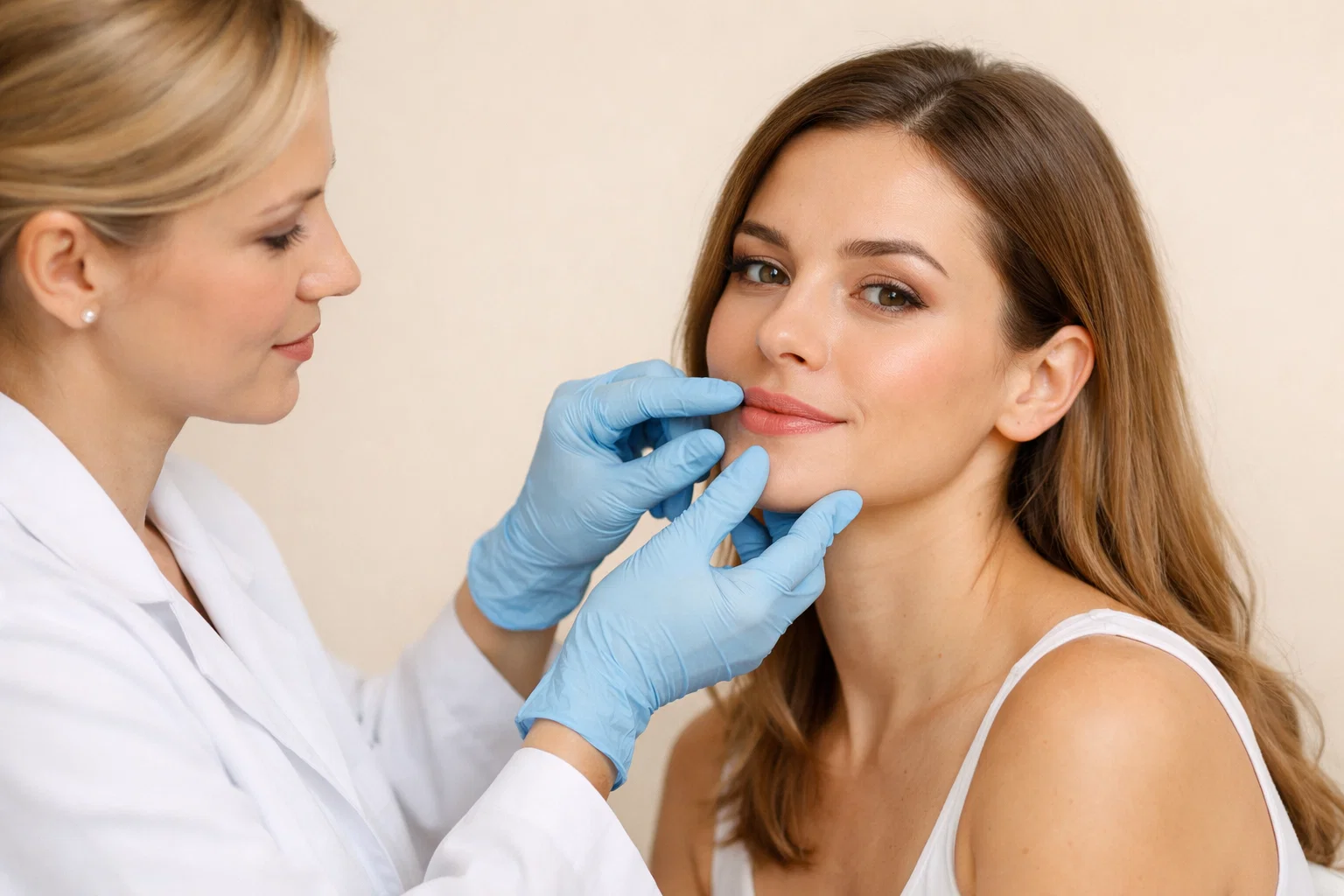
Understanding the anatomy of the lips and selecting appropriate methods are essential for achieving natural, balanced results. This guide explores various approaches practitioners use to add volume, correct asymmetries, and create different aesthetic outcomes whilst prioritising patient safety.

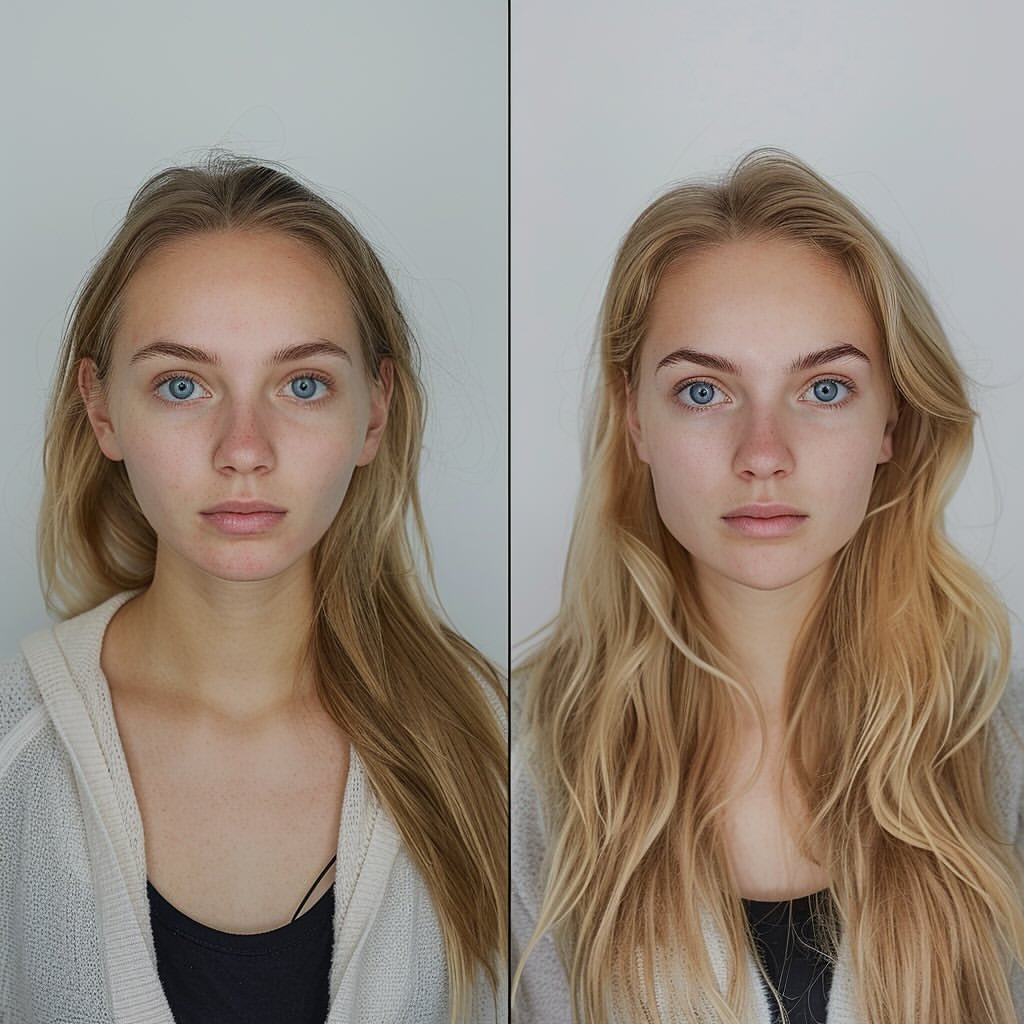
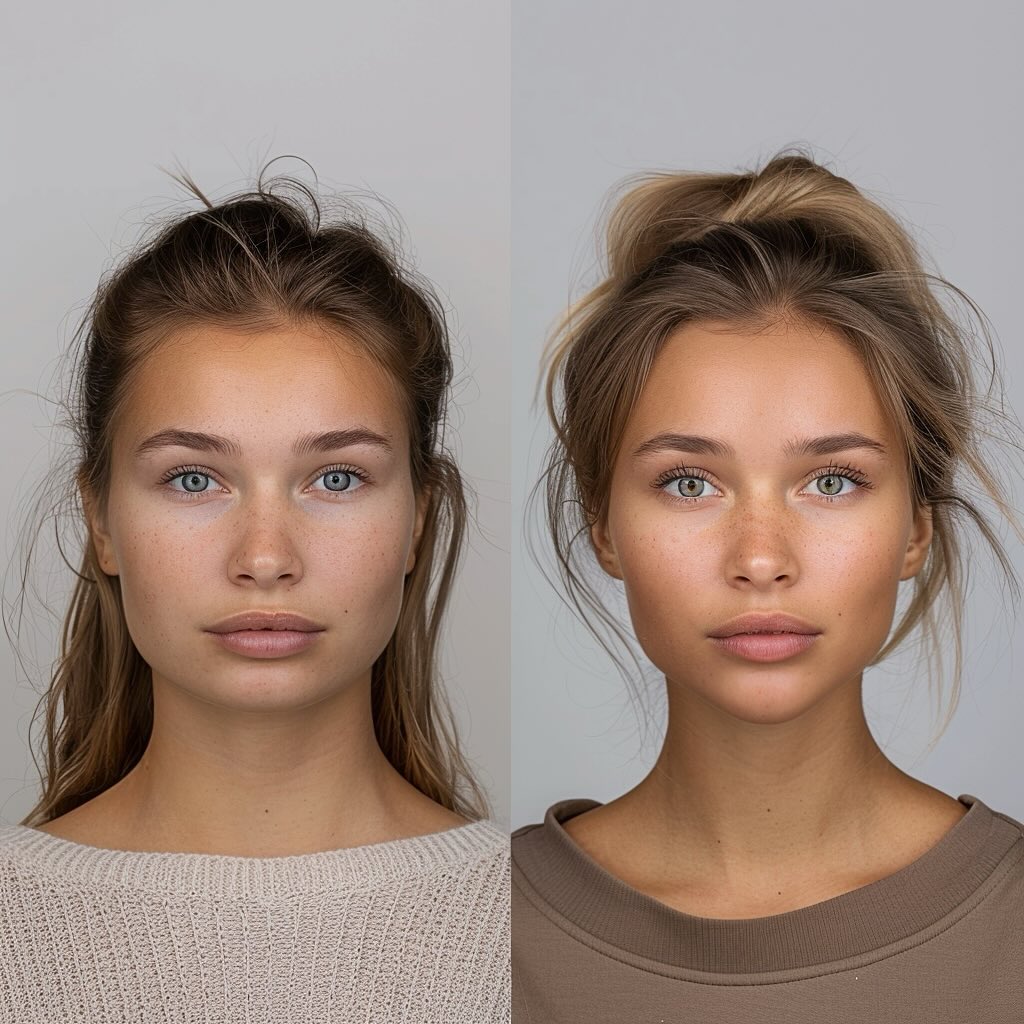
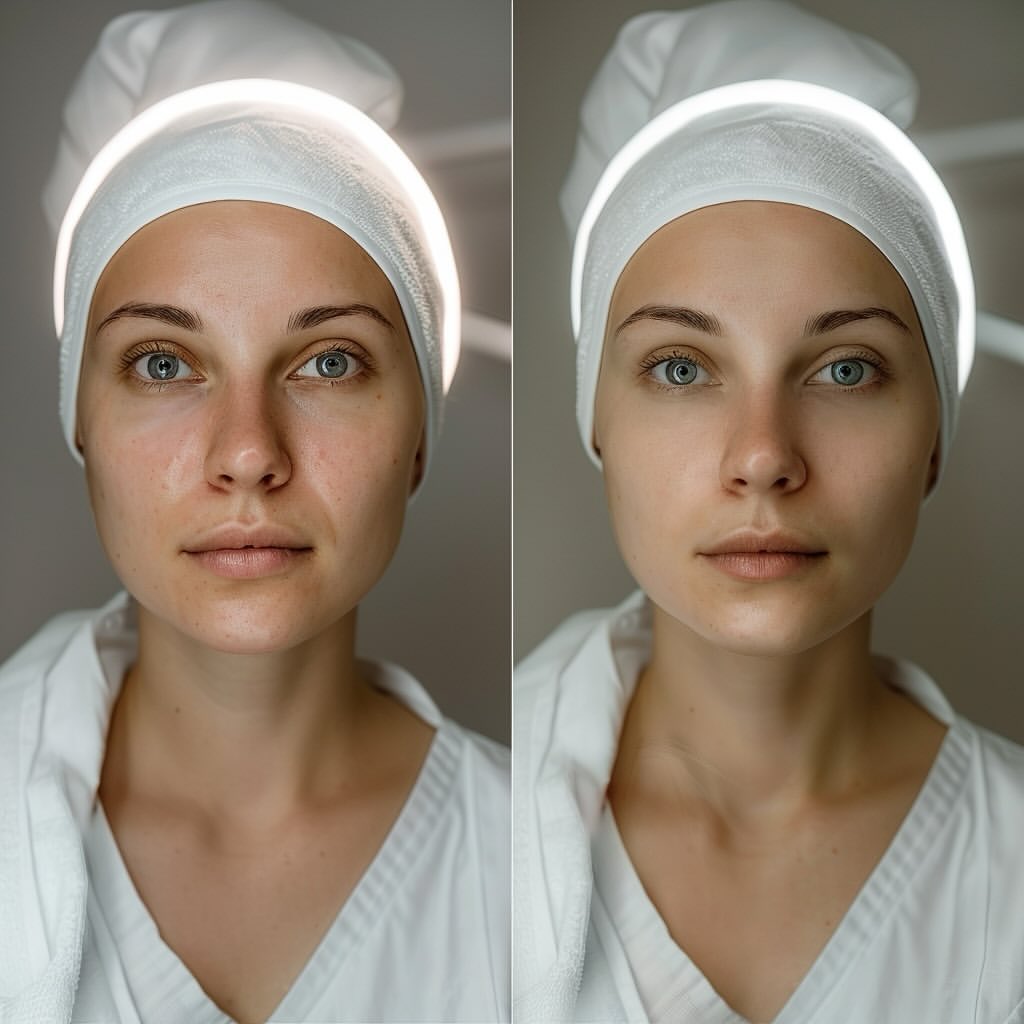
Thousands of satisfied customers
Foundational Lip Filler Injection Techniques for Natural Results
Mastering fundamental methods establishes the basis for all advanced work. These core approaches focus on even distribution, controlled placement, and respecting the natural shape of the lips to deliver subtle enhancement.
Core Principles for Natural Enhancement:
- Respect the natural anatomy of the lips and existing proportions
- Build volume gradually using controlled amounts of filler
- Maintain symmetry through precise injection points
- Select appropriate injection depth based on desired outcome
- Use proper hand positioning to stabilise tissue during treatment
Mastering Linear Threading Technique for Smooth Distribution
Linear threading involves injecting filler along the natural contour of the upper and lower lip in continuous lines. The injector places the needle or cannula parallel to the vermilion border, depositing product smoothly as the instrument withdraws. This method creates uniform volume across the lip area whilst maintaining soft, natural contours. Clinical studies suggest linear threading reduces the risk of nodules compared to bolus injection, as filler disperses evenly within the tissue planes.
Key Advantages of Linear Threading:
- Provides even distribution across the entire lip area
- Reduces risk of visible lumps or nodules
- Maintains natural contour and movement
- Suitable for both cannula and needle application
- Allows for precise control of product placement
Applying Microdroplet Technique for Precise Volume Control
The microdroplet technique involves injecting tiny amounts of filler at multiple points throughout the lips. Each deposit measures approximately 0.01–0.02ml, allowing the practitioner to build volume gradually. This approach suits clients with naturally thinner lips or those seeking conservative enhancement. Placing small amounts of filler vertically and horizontally creates a three-dimensional structure, improving definition without overfilling. Research indicates that microdroplet application may reduce post-procedure swelling and provides greater control over final shape.
Importance of Maintaining Correct Injection Depth
Injection depth significantly influences outcome and safety. Superficial placement, within the mucosa or just beneath the vermilion, adds projection and definition. Deeper injection, into the muscle layer, provides structural support and lift. Incorrect depth can lead to visible lumps, migration, or vascular complications. Practitioners must understand the layers of the lip—mucosa, muscle, and submucosa—to select the best plane for each patient’s unique lip anatomy and desired result.
Proper Hand Positioning to Support Lip Tissue During Injection
Stabilising the lip with the non-dominant hand ensures accurate needle placement and reduces patient discomfort. The injector typically stretches the tissue gently between thumb and forefinger, creating tension that facilitates smooth product flow. This technique also allows the practitioner to assess symmetry and contour in real time, adjusting amounts of filler as needed. Proper support minimises bruising by reducing unnecessary trauma to delicate vessels around the lips.

Advanced Lip Augmentation Techniques for Shape and Volume
Advanced methods target specific aesthetic goals, from vertical height to precise border definition. These techniques require thorough knowledge of lip structure and experience with diverse filler types to achieve the best results.
Popular Advanced Techniques Overview:
Technique | Primary Goal | Injection Pattern | Ideal Candidates |
Russian Lips | Vertical height and projection | Vertical columns | Those seeking heart-shaped appearance |
Lip Tenting | Structural support | Perpendicular lines | Patients with volume loss |
Paris Lips | Border definition | Along vermilion border | Subtle enhancement seekers |
M-Shaped Lips | Pronounced cupid’s bow | Targeted peaks | Defined upper lip desired |
Keyhole Pout | Central fullness | Medial third focus | Natural, tapered look |
Creating Height with Russian Lip Technique
The Russian lip filler technique focuses on adding vertical projection rather than horizontal volume. Practitioners inject filler vertically into the body of the lip, lifting the tissue upwards to create a heart-shaped appearance. Multiple injection points along the centre and sides of the upper and lower lip build height whilst maintaining a defined border. This method suits individuals seeking a youthful, doll-like aesthetic. Clinical observation suggests the Russian lip technique may enhance cupid’s bow prominence without over-widening the mouth.
Vertical Lip Tenting for Structural Support
Lip tenting technique involves placing filler along vertical columns within the lips, creating internal scaffolding that supports projection. The injector uses a needle or cannula to deposit product in discrete, perpendicular lines from the vermilion border towards the wet-dry line. Tenting adds structural height and can correct asymmetries by selectively reinforcing weaker areas. Studies indicate this approach may prolong results, as filler is anchored within the muscle and less prone to migration.
Defining Borders with Paris Lip Style
Paris lip style emphasises a clearly outlined vermilion border and subtle volume, favouring elegance over fullness. The practitioner injects filler along the lip line using microdroplets or fine linear threading, enhancing contour without significant bulk. This technique suits patients who desire definition and symmetry rather than dramatic enlargement. The Paris approach often incorporates hyaluronic acid fillers with moderate cohesivity to maintain crisp borders. Clinical feedback suggests this method achieves a refined, natural pout that complements European facial aesthetics.
Sculpting M-Shaped and Cherry Lip Aesthetics
M-shaped lips feature pronounced peaks at the cupid’s bow, creating a distinctive double-curve. Practitioners inject small amounts of filler at each peak, reinforcing the central dip. Cherry lips involve building a rounded, plump lower lip with a slightly smaller upper lip, resembling the fruit’s silhouette. Both styles require precise injection points and careful filler selection. Research indicates that tailoring the technique and product to the patient’s facial proportions improves satisfaction and minimises revision rates.
Using Keyhole Pout Methods for Central Definition
The keyhole pout method focuses on enhancing the centre of the lips, leaving the outer corners less augmented. This creates a gentle taper that draws attention to the midline. The injector places filler primarily in the medial third of the upper and lower lip, using either microdroplets or vertical threading. The keyhole technique suits individuals with wider mouths or those seeking a more natural, understated enhancement. Practitioners report that this approach can soften a square facial shape by emphasising central softness.

Specialized Lip Filler Treatment Approaches
Certain concerns—such as asymmetry, downturned corners, or lack of definition—require targeted intervention. These specialised techniques address specific anatomical challenges and may combine multiple methods for optimal outcomes.
Vertical Fanning to Enhance Overall Pout
Vertical fanning involves injecting filler along multiple radial lines that emanate from the lip border towards the centre. Each injection point fans outward like spokes, distributing product evenly across the tissue. This technique adds fullness whilst maintaining a natural shape and can correct minor volume loss. Practitioners often combine vertical fanning with horizontal threading for comprehensive coverage. Clinical experience suggests fanning reduces the risk of vascular occlusion by avoiding single, high-volume bolus deposits.
Lifting Cupid’s Bow and Improving Symmetry
The cupid’s bow is the double curve of the upper lip’s central peak. Enhancing this feature involves placing filler at the philtral columns and the vermilion border to accentuate the dip. Correcting asymmetry requires careful assessment of the lips’ natural proportions and selective augmentation of the less prominent side. Injectors may use a combination of microdroplets and tenting to achieve balance. Studies show that subtle cupid’s bow definition contributes significantly to perceived youthfulness and facial harmony.
Correcting Downturned Corners through Strategic Injection
Downturned corners, or oral commissures, can create a sad or aged appearance. Correcting this involves injecting filler just above the corner, lifting the tissue and creating a gentle upward turn. Practitioners typically use a needle to place product superficially in the dermis or submucosa. Some protocols combine dermal filler with botulinum toxin to relax the depressor anguli oris muscle, which pulls the corners down. Research indicates this dual approach may improve outcomes and prolong results compared to filler alone.
Choosing the Right Tools: Cannula vs Needle for Lip Augmentation
Cannulas are blunt, flexible instruments that glide through tissue with reduced risk of vessel puncture. Needles are sharp and offer precision for superficial placement. Selecting between them depends on the technique, injection depth, and patient anatomy. Cannulas suit linear threading and deeper augmentation, whilst needles excel at microdroplet and border definition. Clinical data suggests cannulas may reduce bruising and swelling, though some practitioners prefer needles for controlled, layered enhancement. Each tool has distinct advantages, and experienced injectors often use both within a single session.
Cannula Benefits:
- Lower risk of vascular puncture
- Reduced bruising and swelling
- Single entry point for larger treatment areas
- Ideal for deeper tissue planes
- More comfortable for sensitive patients
Needle Benefits:
- Superior precision for border definition
- Better control for superficial placement
- Excellent for microdroplet technique
- Allows tactile feedback during injection
- Preferred for detailed sculpting work
Dual Plane Injection Strategies for Complex Cases
Dual plane injection involves placing filler at two different depths—superficially for definition and deeper for volume. This layered approach allows the practitioner to address multiple concerns simultaneously, such as thin lips with poorly defined borders. The injector first establishes structural support in the deeper muscle layer, then refines contour with superficial microdroplets. Studies indicate dual plane techniques may improve longevity and natural appearance by distributing product across multiple tissue levels, reducing the likelihood of visible lumps.

Popular Lip Filler Techniques for Achieving Different Lip Shapes
Cultural and individual preferences influence the desired lip shape. These popular techniques cater to diverse aesthetics, from subtle refinement to dramatic transformation, ensuring practitioners can tailor treatments to each patient’s goals.
Latin Lips and High-Volume Volumisation
Latin lips emphasise fullness, with a pronounced lower lip and well-defined upper lip. This style often involves injecting larger amounts of filler to create a voluptuous pout. Practitioners use a combination of linear threading and microdroplets to build volume whilst maintaining symmetry. Clinical observations suggest that Latin lip aesthetics require careful attention to proportion, as overfilling can distort facial balance. Selecting the right filler type—typically a cohesive hyaluronic acid—is essential for achieving soft yet structured results.
Creating Heart-Shaped Contours for Feminine Aesthetics
Heart-shaped lips feature a wider upper lip that tapers towards the corners, with a gently rounded lower lip. Achieving this involves strategic placement of filler to accentuate the cupid’s bow and lateral peaks. The injector may use the Russian lip technique combined with border definition to emphasise the heart silhouette. This style suits individuals seeking a romantic, youthful appearance. Research indicates that heart-shaped contours are perceived as highly feminine and can enhance overall facial attractiveness.
Hollywood Lips for Maximum Impact and Profile
Hollywood lips prioritise dramatic volume and profile, with equal or slightly greater emphasis on the upper lip. This technique often involves vertical injection to project the lips forward, creating a noticeable contour from the side view. Practitioners inject filler deeply within the muscle layer, using linear threading or tenting for structural support. Hollywood lips suit patients desiring a bold, glamorous aesthetic. Studies suggest that this style requires regular maintenance, as high-volume enhancement may experience faster resorption.
Tailoring Dermal Fillers for Male Lip Anatomy
Male lip enhancement focuses on subtle volume, definition, and maintaining a masculine aesthetic. Men typically have thinner lips and a flatter cupid’s bow than women. Practitioners use conservative amounts of filler, favouring linear threading and horizontal augmentation over vertical projection. The goal is to restore volume lost to ageing or improve symmetry without feminising the face. Clinical guidelines recommend a ratio of 1:1 or slightly fuller lower lip for male patients, avoiding the pronounced cupid’s bow often sought by female clients.
Safety Protocols and Avoiding Complications in Lip Filler Treatment
Patient safety is paramount in cosmetic procedures. Understanding potential complications, prevention strategies, and emergency protocols ensures practitioners can deliver effective treatments whilst minimising risks and managing adverse events promptly.
Essential Safety Measures:
- Conduct thorough patient medical history assessment
- Understand vascular anatomy around the lips
- Maintain hyaluronidase immediately available
- Use aspiration technique before injection
- Inject slowly with controlled pressure
- Monitor patient throughout procedure for adverse signs
Preventing Vascular Adverse Events During Lip Injection
Vascular occlusion, though rare, is a serious complication that occurs when filler blocks an artery, potentially causing tissue necrosis. Practitioners reduce risk by using aspiration before injection, injecting slowly, and understanding the vascular anatomy around the lips. The superior and inferior labial arteries run through the lip tissue, and awareness of their typical positions guides safe injection depth and placement. Clinical protocols recommend having hyaluronidase immediately available to dissolve hyaluronic acid filler if occlusion is suspected. Early recognition—indicated by blanching, pain, or mottling—enables rapid intervention and improves outcomes.
Managing Misplaced Filler and Post-Injection Nodules
Misplaced filler can create visible lumps, asymmetry, or migration beyond the intended area. Post-injection nodules may result from superficial placement, product aggregation, or inflammatory response. Practitioners manage these issues through massage, hyaluronidase injection, or, in some cases, surgical excision. Prevention involves correct injection depth, appropriate filler selection, and controlled bolus size. Studies indicate that early intervention with hyaluronidase effectively resolves most hyaluronic acid-related nodules, whilst non-hyaluronic fillers may require more complex management strategies.
Utilizing Ultrasound to Identify Different Type of Filler
Ultrasound imaging allows practitioners to visualise filler placement beneath the skin, confirming correct depth and distribution. This tool is particularly useful for assessing older injections, identifying non-hyaluronic acid fillers, or investigating complications. Ultrasound can detect filler migration, intravascular placement, or granulomas, guiding treatment decisions. Research suggests that ultrasound-guided injection may improve safety and accuracy, especially in anatomically complex areas or revision cases. Incorporating imaging into clinical practice enhances diagnostic capability and patient outcomes.
Best Practices for Infection Control and Clinical Aesthetics
Strict hygiene protocols prevent infection and ensure patient safety. Practitioners must use sterile equipment, clean the injection site with antiseptic, and avoid touching the needle tip. Single-use needles and cannulas should never be reused. Clinical environments must comply with local health regulations, maintaining clean surfaces and proper waste disposal. Studies indicate that infection rates in aesthetic procedures are low when guidelines are followed, but lapses in technique can lead to cellulitis, abscess formation, or systemic infection. Education and adherence to best practices protect both patients and practitioners.
Infection Control Checklist:
- Sterilise all reusable equipment according to manufacturer guidelines
- Clean treatment area with medical-grade antiseptic solution
- Use single-use, sterile needles and cannulas for each patient
- Wear appropriate personal protective equipment throughout procedure
- Dispose of sharps in designated containers immediately after use
- Maintain clean, organised clinical environment with regular sanitisation
Post-Procedure Care and Maximizing Lip Filler Results
Aftercare significantly influences outcome quality and longevity. Providing clear guidance on managing side effects, lifestyle modifications, and follow-up protocols ensures patients achieve the best results from their lip enhancement.
Post-Treatment Instructions for Patients:
- Apply cold compresses for 10-15 minutes every hour on day one
- Avoid strenuous exercise for 48 hours following treatment
- Sleep with head elevated for first two nights
- Refrain from touching, massaging, or applying pressure to lips
- Avoid alcohol consumption for 24 hours post-procedure
- Stay well-hydrated and avoid excessive heat exposure
Guidance on Managing Common Side Effects After Injection
Swelling, bruising, and tenderness are typical after lip filler treatment and usually resolve within a few days. Patients should apply cold compresses intermittently for the first 24 hours to reduce swelling, avoid strenuous exercise for 48 hours, and sleep with the head elevated. Arnica supplements or topical gels may minimise bruising, though evidence is mixed. Practitioners advise against applying pressure or massaging the lips unless specifically directed. Persistent swelling beyond two weeks, severe pain, or changes in skin colour warrant immediate clinical evaluation to rule out complications.
Professional Advice on Maintaining Longevity of Lip Fillers
Hyaluronic acid fillers typically last six to twelve months, depending on the product, injection technique, and individual metabolism. Maintaining results involves scheduling timely top-up treatments before full resorption occurs, as this preserves tissue structure and may reduce the total amount of filler needed over time. Lifestyle factors—such as smoking, sun exposure, and dehydration—can accelerate breakdown. Patients should use broad-spectrum sun protection, stay hydrated, and follow a skincare routine that supports collagen health. Studies suggest that consistent, conservative maintenance enhances long-term satisfaction and reduces risk of overfilling.
Factors Affecting Filler Longevity:
- Metabolic rate and individual body chemistry
- Type of filler and cross-linking density used
- Injection technique and depth of placement
- Lifestyle habits including smoking and sun exposure
- Facial movement and muscle activity in lip area
- Hydration levels and overall skincare routine
- Frequency and consistency of maintenance treatments
Combining Procedures with Botulinum Toxin for Enhanced Symmetry
Botulinum toxin can complement lip filler by relaxing muscles that pull the lips downward or create asymmetry. Injecting small doses into the depressor anguli oris lifts downturned corners, whilst treating the orbicularis oris reduces vertical lip lines. Combining toxin with dermal filler addresses both volume loss and dynamic movement, achieving a more comprehensive rejuvenation. Clinical evidence suggests that this dual approach may improve patient satisfaction, though practitioners must carefully balance muscle relaxation to avoid affecting lip function or expression.
Standard Protocols for Follow-up Lip Filler Consultation
Follow-up appointments, typically scheduled two to four weeks post-treatment, allow practitioners to assess final results and address any concerns. During this visit, the injector evaluates symmetry, volume distribution, and patient satisfaction, performing touch-up injections if necessary. Follow-ups also provide an opportunity to educate patients on long-term care and plan future maintenance. Establishing a clear follow-up protocol improves outcomes, builds trust, and enables early detection of complications. Research indicates that structured aftercare enhances patient retention and overall treatment success.

Frequently Asked Questions
Which Method Minimizes Bruising for Sensitive Patients?
Using a cannula rather than a needle may reduce bruising, as the blunt tip is less likely to puncture blood vessels. The linear threading technique with slow, controlled injection also minimises trauma. Avoiding blood-thinning medications—such as aspirin or fish oil—for one week before treatment can further decrease bruising risk. Applying cold compresses immediately after injection helps constrict vessels and limit haemorrhage.
How Often Should Injection Depth Be Checked During Procedure?
Injection depth should be continuously monitored throughout the procedure. Experienced practitioners assess depth by tactile feedback, visual inspection, and real-time observation of tissue response. Frequent aspiration when using needles confirms the instrument is not within a vessel. Adjusting depth as needed ensures even distribution, prevents superficial nodules, and reduces vascular risk. Vigilance at every injection point is essential for both safety and aesthetic success.
What Factors Influence Choice Between Needle and Cannula?
The choice depends on the technique, desired outcome, and patient anatomy. Needles offer precision for border definition, microdroplets, and superficial placement. Cannulas reduce bruising, suit deeper augmentation, and allow single-entry-point treatment across a larger area. Some practitioners prefer needles for upper lip refinement and cannulas for volumising the lower lip. Patient preference, skin thickness, and the presence of scar tissue also inform tool selection.
Why Do Different Ethnicities Require Custom Injection Strategies?
Lip anatomy varies across ethnic groups, influencing ideal proportions, projection, and definition. For example, individuals of African or Asian descent may have fuller lips with different vermilion border characteristics, requiring tailored techniques to enhance natural features. Caucasian patients often seek increased projection and cupid’s bow definition. Cultural beauty standards also differ, making it essential for practitioners to understand diverse aesthetics and adapt their approach. Personalised treatment respects individuality and achieves results that harmonise with each patient’s unique facial structure.