
Do Lip Filler Nodules Go Away? Causes, Prevention, and Treatment Guide for Dermal Filler Lumps

Discovering a small bump after your lip enhancement procedure can be concerning. Lip filler nodules are one of the most common complications following dermal filler injections. Whilst many resolve naturally within a few weeks, understanding their causes, prevention strategies, and treatment options empowers you to make informed decisions about your aesthetic journey.




Thousands of satisfied customers
Nodule Basics: What Are Lip Filler Nodules?
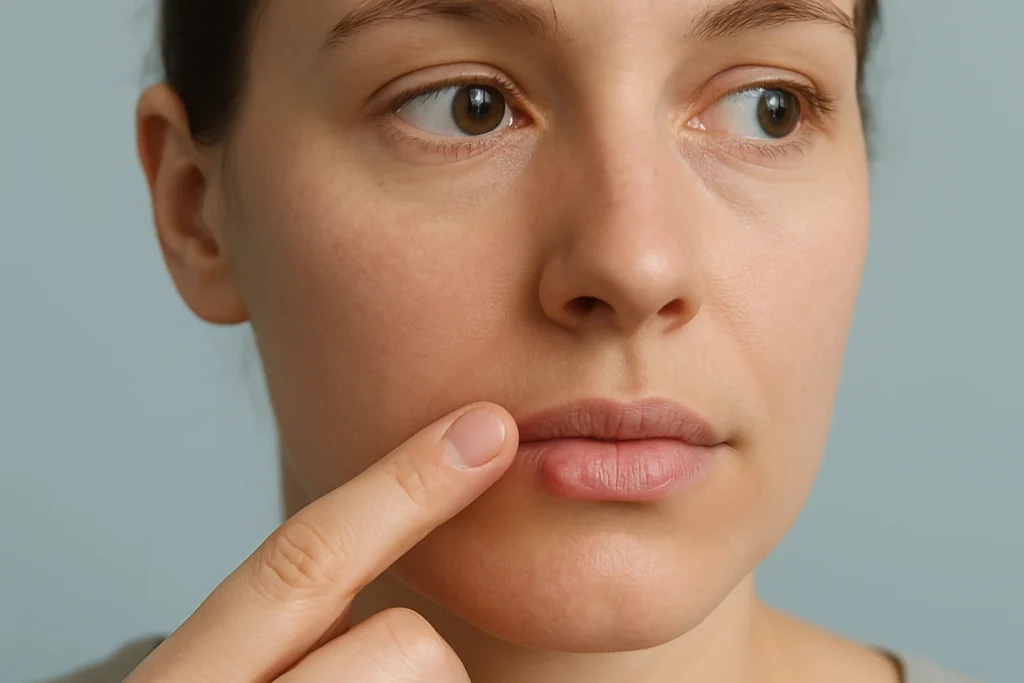
Lip filler nodules are small, raised bumps that can form beneath the skin following dermal filler injections. These lumps may appear immediately after the filler procedure or emerge weeks or even months later. Filler nodules are small, palpable masses that develop when the filler material accumulates in localised areas rather than distributing evenly throughout the lip tissue.
The nodules can vary in size from barely noticeable to quite prominent, and their texture ranges from soft and mobile to firm and fixed. Early-onset nodules typically appear within the first two weeks after treatment and often result from uneven filler distribution. Delayed-onset nodules may develop weeks or months after injection and frequently indicate a more complex inflammatory response to the filler.
Understanding Granuloma Formation in Dermal Fillers
A granuloma represents a specific type of nodule that develops as part of the body’s immune response to the filler material. These inflammatory nodules form when the immune system perceives the injected substance as foreign, triggering cellular reactions designed to isolate the material.
Granulomatous nodules differ from standard lumps in several ways. They tend to be firmer and more persistent, develop gradually over time, and may be accompanied by redness, warmth, or tenderness. Research suggests that granuloma formation occurs in approximately 0.02% to 1% of procedures, with hyaluronic acid fillers presenting lower risk compared to permanent alternatives.
Causes and Risk Factors for Nodule Development
Poor injection technique stands as one of the primary contributors to nodule development. The precision required for natural-looking lip enhancement demands advanced training in cosmetic filler techniques and thorough understanding of facial anatomy.
Injection technique – incorrect placement or delivery – can lead to nodule formation through several mechanisms:
- Superficial placement too close to the skin surface
- Bolus injection depositing large volumes in one location
- Inadequate product distribution immediately after injection
- Excessive pressure forcing product into tissues
Studies examining filler complications found that practitioners with less experience showed significantly higher rates of nodule formation. The angle, depth, and speed of injection all play a role in nodule prevention.
The Role of Filler Material Quality
The type of filler used significantly influences nodule development risk. Poor filler quality or inappropriate product selection can substantially increase complication likelihood. Hyaluronic acid fillers have become the gold standard due to their biocompatibility, reversibility, and favourable safety profile.
Factors related to filler material that influence nodule risk include particle size consistency, hydrophilic properties, manufacturing standards, and rheological properties. Clinical evidence suggests that using non-approved products dramatically increases complication rates, with some reports indicating up to tenfold higher incidence of inflammatory nodules.
Anatomical Considerations and Nodule Development
The unique anatomy of lips presents specific challenges that can contribute to nodule formation. The lip tissue contains a complex network of blood vessels, muscles, and connective tissue planes. Areas with limited vascular supply may not facilitate optimal integration, leading to localised accumulations.
Individual anatomical variations also influence risk. Thin vermillion borders provide less tissue depth for proper placement. The perioral region’s constant movement during speaking and eating subjects dermal fillers to continuous mechanical stress, requiring careful consideration of filler rheology and placement depth.
Inflammatory Response and Nodule Formation
The body’s inflammatory response represents a natural process that can contribute to nodule development. This immune response to the filler varies considerably between individuals based on genetic factors, overall health, and previous exposure to similar substances.
Several factors can trigger or exacerbate inflammatory reactions, including active infection at the injection site, autoimmune conditions, concurrent illness, or bacterial biofilm formation on the filler material surface. Delayed-onset inflammatory nodules may appear weeks or even months later due to late-stage hypersensitivity reactions.
Contraindications and Developing Lip Filler Nodules
Certain patient characteristics increase the likelihood of developing lip filler nodules. Absolute and relative contraindications include active oral herpes, autoimmune disorders, known allergies to hyaluronic acid, previous adverse reactions, and active skin infections. Thorough medical history assessment enables practitioners to identify risk factors and implement appropriate preventative measures.
Recognizing Symptoms and Diagnosing Lip Filler Lumps
Identifying nodules early allows for prompt intervention. Early-stage symptoms include small, palpable bumps, slight asymmetry, mild tenderness, and texture irregularities. Later-stage presentations may feature clearly visible protrusions, hard nodules that feel firm or immobile, persistent swelling, colour changes, or discomfort affecting function.
The extent of the nodule and its impact guide treatment decisions. Nodules are small and superficial often respond well to conservative management, whilst larger, deeper, or inflammatory lesions may require more aggressive intervention.
The Nodule Diagnosis Process
Accurate diagnosis requires systematic approach combining clinical examination, patient history, and imaging studies when appropriate. The diagnostic process involves detailed history taking, visual inspection, palpation examination, and temporal pattern analysis.
When initial assessment proves insufficient, additional investigations may include ultrasound imaging to visualise filler distribution, photographic documentation, or rarely, biopsy to exclude other pathology.
Differential Diagnosis: Distinguishing Filler Lumps
Not all lumps represent filler nodules. Common differential diagnoses include simple oedema, haematoma, infection or abscess, allergic reaction, vascular complications, or pre-existing anatomical variants. Accurate differentiation prevents inappropriate treatment and ensures patient safety.
Nodule Prevention Strategies for Lip Enhancement Safety
Selecting a qualified practitioner with advanced training represents the most important step in reducing nodule risk. Key qualifications include appropriate medical credentials, specific certification in aesthetic injectables, demonstrated experience, professional membership, and access to clinical facilities equipped to manage complications.
During consultation, reputable practitioners conduct thorough assessment, discuss realistic expectations, review medical history, and explain potential risks including nodule formation.
Using a High-Quality Filler Product
Quality and appropriateness of filler material significantly influence outcomes. Established aesthetic clinics exclusively use pharmaceutical-grade, licensed products from reputable manufacturers. Consider regulatory approval, reversibility, product specifications, manufacturer reputation, and traceability.
Why Avoiding Lip Overfilling Is Essential
Overfilling increases complication risk. Excessive volumes create tissue stress, increased likelihood of migration, compromised blood flow, unnatural appearance, and greater visibility of filler material. Conservative approaches using smaller volumes across multiple sessions typically produce superior outcomes.
Necessary Pre-Treatment Preparation Steps
Proper preparation significantly influences complication risk. Essential steps include avoiding blood-thinning substances, managing herpes risk with antiviral prophylaxis, ensuring adequate hydration, arriving with clean skin, timing considerations, and communicating health changes.

Treatment Options for Dissolving Filler Nodules
Many nodules resolve spontaneously or respond to conservative interventions. Effective options include proper massage techniques to redistribute filler material, time and patience allowing natural integration, cold compresses to reduce inflammation, and anti-inflammatory medications for tender nodules.
How to Dissolve Lip Filler Nodules with Hyaluronidase
When conservative management proves insufficient, hyaluronidase treatment offers highly effective solution for dissolving filler nodules composed of hyaluronic acid. This enzyme specifically breaks down hyaluronic acid molecules, enabling the body to metabolise unwanted material.
The hyaluronidase treatment process involves assessment, precise injection into the nodule, immediate effects within minutes to hours, and continued dissolution over 24 to 48 hours. Most formed nodules respond to a single treatment, though some cases require repeat injections.
Important considerations include effectiveness only for hyaluronic acid-based fillers, potential for affecting surrounding desired filler, and rare allergic reactions requiring patch testing for at-risk patients.
Surgical Treatments for Severe or Persistent Filler Nodules
In rare instances where nodules persist despite other treatments, surgical intervention may become necessary. Approaches include incision and drainage for inflammatory nodules, nodule excision through small incisions, or debulking procedures. Surgical treatments carry risks including scarring, infection, and potential damage to surrounding structures, reserved as final options after less invasive approaches prove inadequate.

Nodule Longevity and Expectations
The duration lip filler nodules persist varies considerably depending on their underlying cause and characteristics. Early-onset nodules resulting from uneven filler distribution often resolve within a few weeks as the product naturally integrates with surrounding tissue. Simple lumps may disappear completely within two to six weeks without intervention.
Delayed-onset nodules and inflammatory reactions typically follow different timelines. These persistent nodules may remain for weeks or months without appropriate treatment. Granulomatous nodules particularly tend to be long-lasting, sometimes persisting indefinitely without medical intervention.
Post-Treatment Management and Safety
Following nodule treatment, realistic expectations support positive outcomes. After hyaluronidase injections, improvement appears rapidly, though complete resolution may take several days. Some temporary swelling at the injection site is normal. In cases where nodules are firm and well-established, multiple sessions may be needed.
Potential Risks and Side Effects of Hyaluronidase Treatment
Whilst generally safe, hyaluronidase treatment carries potential risks. These include temporary swelling and bruising, allergic reactions in susceptible individuals, over-correction requiring subsequent filler replacement, and temporary skin sensitivity. Serious complications remain rare when performed by experienced practitioners.
Long-term Considerations and Managing Filler Complications
Patients who have experienced nodules should discuss future treatment approaches with their practitioner. This may involve using different filler products, adjusting injection techniques, implementing longer intervals between treatments, or considering alternative aesthetic procedures. Maintaining open communication with your injector ensures optimal long-term outcomes.
Frequently Asked Questions About Nodules
Is It Normal to Have Lumps Immediately After Lip Filler?
Some degree of irregularity immediately following lip filler injections is normal. Initial swelling can create temporary lumps that resolve as inflammation subsides. However, if lumps persist beyond two weeks or seem to be worsening, consult your practitioner for evaluation.
What Should I Avoid Before Getting Lip Fillers?
Avoid blood-thinning medications and supplements including aspirin, ibuprofen, vitamin E, and fish oil for one week before treatment. Alcohol consumption should be minimised for 24 to 48 hours prior. Ensure you’re well-hydrated and inform your practitioner of any health changes.
Is It Safe to Massage Lip Filler Nodules at Home?
Gentle massage can be beneficial when performed correctly, but improper technique may worsen the situation. Always consult your practitioner before attempting self-massage. They should demonstrate proper technique, pressure, and frequency appropriate for your specific case.
Will Lips Return to Normal After Filler Dissolves?
Yes, when hyaluronic acid filler dissolves naturally or through hyaluronidase treatment, lips typically return to their pre-treatment state. The dissolution process removes the injected product, allowing tissue to resume its original appearance. Permanent changes to lip structure do not occur from temporary filler use.
Can Massage Effectively Fix Lumpy Filler?
Massage techniques can effectively address certain types of early filler irregularities, particularly those resulting from uneven distribution. However, this approach works best within the first few weeks after injection. Hard lumps or granulomas typically require professional intervention rather than massage alone. Your practitioner can assess whether massage represents appropriate treatment for your specific situation.