
How to Get Rid of Pigmentation and Remove Pigmentation from Face Permanently with Professional Treatment

Pigmentation happens when the body produces excess melanin, leading to uneven patches on the face. This natural pigmentation determines your skin, but various triggers can cause localized accumulation, resulting in visible discoloration over time.
Identifying your specific type of spot is the first step toward effective removal. Understanding whether your issues stem from internal factors or external damage ensures you select the right treatment for long-term clarity.

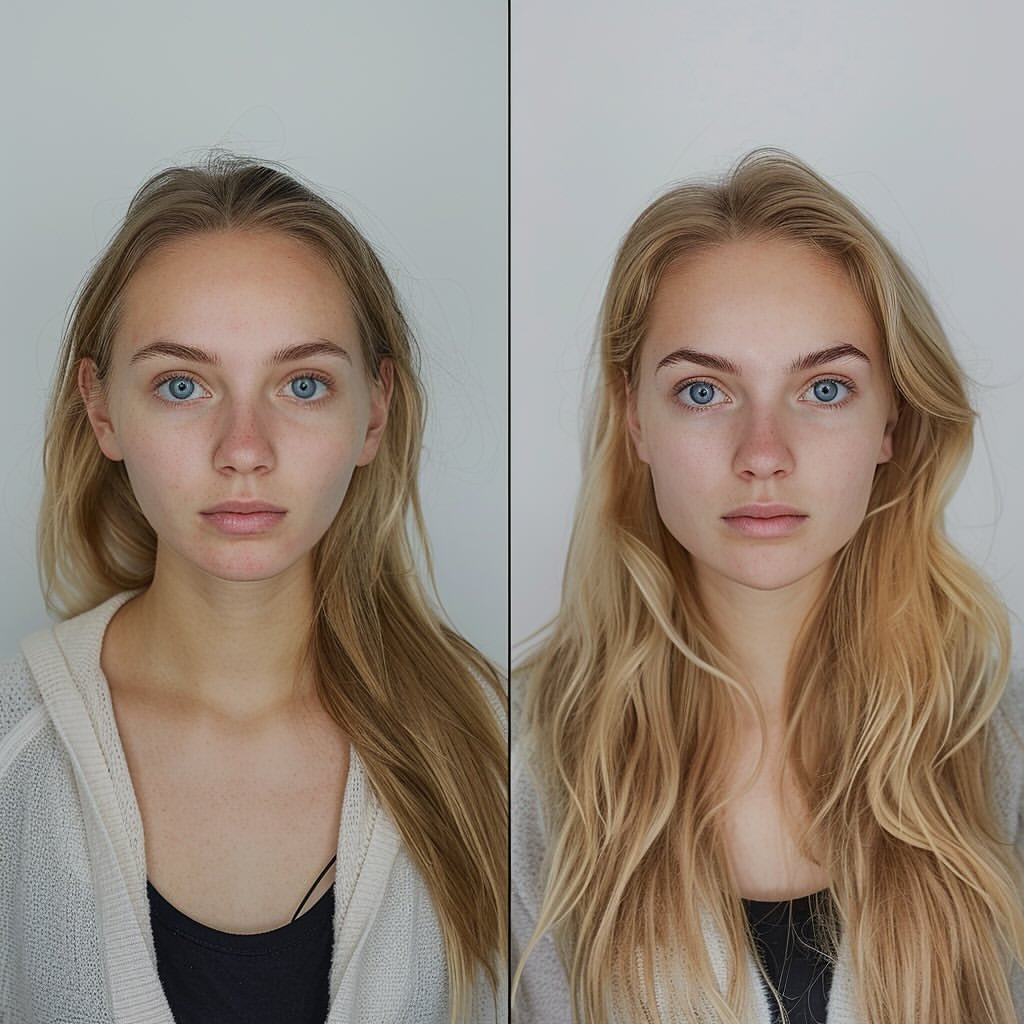
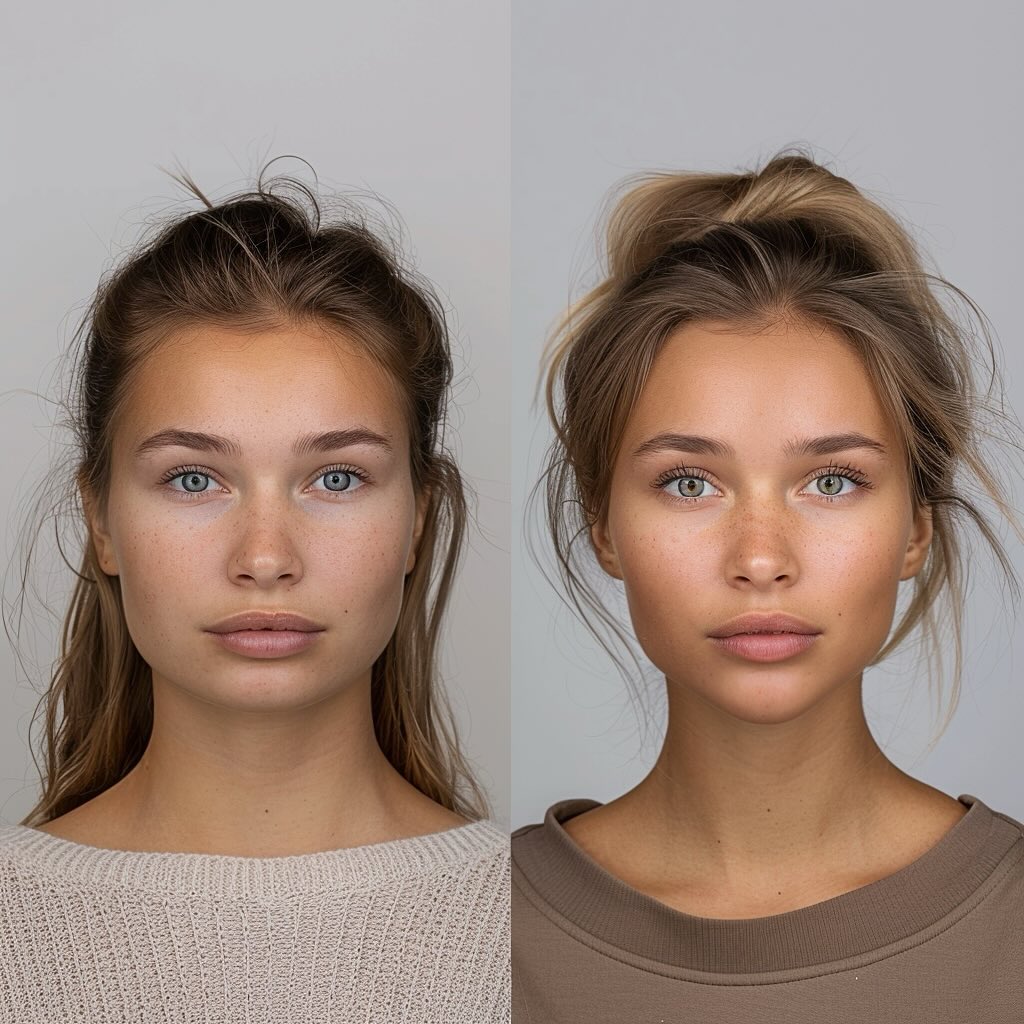
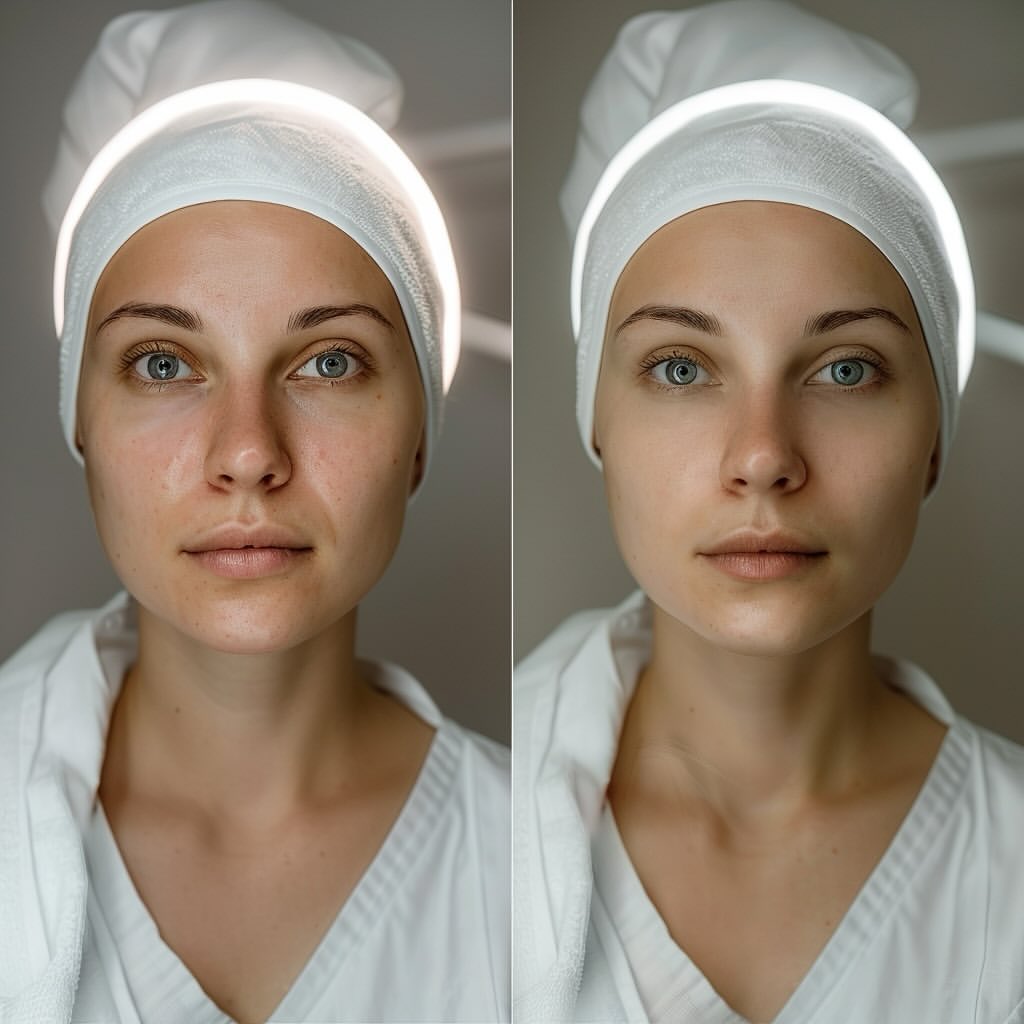
Thousands of satisfied customers
Understanding Primary Causes of Pigmentation and Skin Concerns
Facial discoloration is rarely a standalone issue; it is often the result of complex biological and environmental interactions. To treat these marks effectively, it is vital to categorize the underlying cause accurately.
Most common concerns related to pigmentation include:
- Cumulative sun damage from UV exposure.
- Fluctuating hormone levels affecting melanin production.
- Healing responses following dermal trauma or acne.
- Genetic predispositions and the natural ageing process.
Hormonal Changes and Melasma Affecting Facial Pigmentation
Melasma is a complex form of facial discoloration often triggered by pregnancy or contraceptive use. These hormonal changes stimulate melanocytes to produce excess melanin, creating symmetrical brown or greyish patches on the cheeks and forehead.
Clinical studies suggest that managing melasma requires a delicate balance of sun protection and stabilizing pigmentation production. Because it is deeply rooted in hormonal fluctuations, professional guidance is essential to lighten areas without causing further irritation.
Skin Pigmentation Caused by Sun Exposure and UV Damage
Chronic sun exposure is the leading cause of solar marks and premature ageing. UV rays penetrate the skin, causing DNA damage that forces cells to produce melanin as a protective physical barrier against radiation.
This sun-induced damage often manifests as superficial pigmentation that intensifies after every outdoor excursion. Protecting your skin with high-factor SPF is vital to prevent existing marks from becoming stubborn and difficult to treat.
Post-Inflammatory Hyperpigmentation from Acne Scars
Acne scarring frequently leaves behind dark marks known as post-inflammatory hyperpigmentation (PIH). When the skin heals from an injury or breakout, the inflammatory response triggers an overproduction of pigmentation at the wound site.
These red or brown marks can linger for months even after the pigmentation has cleared. Effective options focus on increasing cell turnover to shed the damaged top layer and reveal a more even tone.
Age Spots on the Face and Solar Lentigines
Age spots, or solar lentigines, are small dark areas that typically appear on surfaces frequently exposed to the sun. As we age, the skin naturally loses its ability to regenerate quickly, causing pigmentation to clump.
These marks are common in older adults but can appear earlier if sun protection was neglected during youth. A specialist can help distinguish these harmless age spots from more serious concerns that require medical intervention
Impact of Disease and Medication on Skin Pigmentation
Certain medical conditions and medications can alter your body’s chemistry, leading to unexpected pigmentation on the face. Some antibiotics or non-steroidal anti-inflammatory drugs are known to increase photosensitivity, making the skin more prone to marks.
If you notice sudden patches while on a new prescription, consult a professional immediately. Adjusting your plan under expert supervision can prevent these changes from becoming a permanent feature of your skin.

Professional Treatment Plan for Permanent Results
A professional strategy offers the highest success rate for those wanting to remove discoloration from the face permanently. Clinical environments provide access to high-grade technology that reaches the deeper layers of the skin effectively.
Professional interventions typically fall into three main categories:
- Energy-based treatments (Lasers and BBL).
- Chemical exfoliation (Medical-grade peels).
- Surgical or invasive procedures (Dermatosurgery).
Advanced Pigmentation Removal with Laser Therapy and BBL
Laser therapy utilizes concentrated light beams to target and shatter excess melanin particles within the skin. Specifically, BBL (Broadband Light) and Lumecca IPL targets the discoloration precisely without damaging the surrounding healthy tissue or the top layer
Once the beam breaks down the pigment, the body’s immune system naturally flushes the fragments away. This process effectively reduces darkening, though multiple sessions are usually required to clear the face permanently and safely.
Clinical Chemical Peels as a Remedy for Dark Spots
Chemical peels involve applying a specialized solution to exfoliate the surface and accelerate the removal of dead cells. These treatments vary in strength, targeting everything from superficial marks to deeper, more established dark spots.
By removing the outer layer of damaged tissue, peels stimulate the production of fresh cells and improve overall texture. Regular sessions can significantly lighten the skin and contribute to a much brighter, more radiant skin.
Dermatosurgery and Specialized Procedures for Facial Pigmentation
For certain types of deep-seated or resistant marks, dermatosurgery or microneedling with depigmenting agents may be necessary. These specialized procedures ensure that active ingredients reach the specific depth of discoloration where traditional creams cannot penetrate.
These methods are highly effective for treating stubborn spots that have failed to respond to milder treatments. Always ensure these procedures are performed by qualified professionals to minimize risks and ensure optimal healing.
Consulting a Dermatologist for Complex Cases
A specialist provides the medical expertise required to diagnose the exact type of pigmentation you are experiencing. They can identify if the discoloration is a purely cosmetic issue or a symptom of an underlying health condition.
Expert diagnosis is crucial before starting any aggressive laser session or high-strength chemical peels. A bespoke approach tailored to your unique skin ensures that the removal process is both safe and permanently effective.

Prescription Cream and Topical Skincare Solutions
Topical solutions are often the first line of defence in any plan to get rid of spots. Medical-grade ingredients work by inhibiting the enzymes responsible for melanin production, preventing new marks from forming while fading existing ones.
Treatment Type | Key Active Ingredient | Primary Benefit |
Brightening Serum | Vitamin C | Antioxidant protection & brightening |
Cell Renewal | Retinoids | Increases turnover of dead cells |
Pigmentation Inhibitor | Kojic Acid | Suppresses melanin production enzymes |
Resurfacing | Glycolic Acid | Removes superficial discoloration |
High-Concentration Vitamin C Serums for Spots on the Face
Vitamin C is a powerful antioxidant that helps lighten marks by interfering with the pigment-building process. It also protects the surface from environmental damage, preventing the pigmentation of existing spots on the face.
Using ingredients like Vitamin C daily can brighten a dull skin and provide an even tone. For best results, apply your serum in the morning to benefit from its protective properties against UV-induced damage.
Retinoids and Medicated Pigmentation Treatment Options
Retinoids are derivatives of Vitamin A that significantly speed up the process of removing dead cells. By increasing cell turnover, they help shed darkened cells faster, making them a staple in any corrective routine.
Prescription-strength retinoids are particularly effective for treating acne scarring and deep-seated hyperpigmentation. They also improve overall texture, though they must be introduced slowly to avoid irritation and sensitivity to the sun.
Choosing the Best Cream for Hyperpigmentation
The best cream for hyperpigmentation usually contains a combination of brightening agents like hydroquinone, kojic acid, or azelaic acid. These ingredients work synergistically to suppress melanin production and target the roots of facial discoloration.
When selecting a product, consider your specific skin and the severity of your concerns. A professional recommendation ensures you use a formula that is potent enough to be effective without causing rebound effects.
Niacinamide and Active Acid Ingredients for Face Pigmentation
Niacinamide is a versatile ingredient that helps reduce pigmentation by preventing the transfer of pigmentation to surface cells. It is particularly gentle, making it suitable for those with sensitive skin or mild issues.
Combining niacinamide with alpha-hydroxy acids (AHAs) like glycolic acid can further enhance the removal of marks from your face. These acids gently exfoliate the surface, allowing other brightening ingredients to penetrate more deeply.
Targeted Remedies to Remove Deep Discoloration
Deep discoloration requires targeted remedies that can influence the deeper dermal layers. Tranexamic acid and cysteamine are newer ingredients in the aesthetic world that have shown great promise in treating resistant melasma and stubborn spots.
These advanced topicals are often used when standard home remedies fail to produce significant results. They require careful application and a structured plan to ensure the face remains clear and the pigmentation does not return.

Effective Home Remedies for Skin Pigmentation
While professional intervention is the gold standard, certain natural options can support the lightening process. These choices generally use mild organic acids or enzymes to gently exfoliate and brighten the top layer of the skin.
Popular natural extracts used to manage tone include:
- Lactic acid found in fermented dairy.
- Curcumin found in turmeric root.
- Aloe polysaccharides for soothing repair.
- Papain enzymes from fresh fruit.
Raw Milk and Turmeric as a Natural Remedy
Raw milk contains lactic acid, a gentle AHA that helps in removing dead cells and brightening the skin naturally. When mixed with turmeric, which has anti-inflammatory properties, it creates a soothing face mask for discoloration.
This traditional remedy can help lighten marks over time if used consistently. However, be cautious with turmeric as it can temporarily stain the face if left on for too long or used in excess.
Aloe Vera Gel and Rosehip Oil for Hyperpigmentation
Aloe vera contains aloin, a natural depigmenting compound that can effectively lighten marks. Applying pure aloe vera gel before bed encourages the skin to repair itself and reduces redness associated with inflammatory darkening.
Rosehip oil is rich in Vitamin A and essential fatty acids, making it an excellent remedy for acne scarring. Massaging this oil into the face improves texture and gradually fades dark spots.
Apple Cider Vinegar and Natural Acid Solutions
Apple cider vinegar contains acetic acid, which acts as a mild chemical exfoliant to help get rid of darkening. Diluting it with water creates a toner that can help balance the pH and lighten superficial marks.
Because it is quite acidic, always perform a patch test before applying it to your entire face. Improper use of vinegar can cause damage, so it is vital to follow a cautious approach.
Lemon Juice and Red Onion Extract to Remove Pigmentation
Lemon juice is a well-known natural bleach due to its high citric acid content. It can be effective for spots on the face, but it also increases sun sensitivity, so it must be handled with care.
Red onion extract is another potent remedy, often found in scar-lightening creams. It contains compounds that inhibit the overproduction of pigment, helping to clear the face over a period of several months.
Using Oatmeal and Papaya as Home Remedies
Papaya contains the enzyme papain, which helps to exfoliate the surface and break down the proteins that hold dead cells together. Applying a papaya mask can leave the face feeling smoother and looking noticeably brighter.
Oatmeal acts as a gentle physical exfoliant, making it ideal for removing surface debris without irritation. Together, these ingredients help maintain a clear skin and prevent the buildup of pigmentation in the top layer.

Daily Routine to Prevent Facial Pigmentation from Returning
Preventing the return of facial discoloration is just as important as the initial removal process. A dedicated daily routine creates a protective shield, ensuring that your investment in professional services lasts.
A successful maintenance routine focuses on:
- Blocking UV radiation every single morning.
- Neutralizing environmental pollutants.
- Promoting nightly skin regeneration.
- Avoiding physical trauma to the surface.
Morning Antioxidant Application to Protect the Face Permanently
Applying an antioxidant serum in the morning neutralizes free radicals caused by pollution and UV light. This prevents the oxidative stress that signals cells to produce excess melanin and create new dark spots.
Combining a Vitamin C serum with your sun protection creates a powerful defence against the causes of darkening. This simple step is vital for anyone who has recently undergone professional removal.
Evening Repair and Night Creams for Dark Spots
Nighttime is when your face naturally focuses on repair and regeneration. Using a night cream with ingredients like retinol or kojic acid supports the removal of discoloration by boosting cell turnover while you sleep.
These creams work to fade existing marks effectively while the skin is not being bombarded by UV rays. Consistent evening care ensures that any minor changes are addressed before they become permanent.
Lifestyle Changes to Maintain Even Tone and Clear Skin
Lifestyle changes, such as maintaining a diet rich in antioxidants and staying hydrated, play a role in health. Reducing stress can also help manage hormonal fluctuations that contribute to melasma and other issues.
Avoiding smoking and excessive alcohol consumption further protects the skin from premature ageing and uneven tone. A healthy body provides the best foundation for resilient, clear, and glowing results over the long term.
Correct Exfoliation Techniques for Skin Concerns
Exfoliation is necessary to remove dead cells that can trap pigmentation and make the skin look dull. However, over-exfoliating can cause inflammation, which ironically leads to more pigmentation through the PIH response.
Limit chemical or physical exfoliation to two or three times a week depending on your skin type. Using the correct technique ensures you lighten discoloration without damaging the delicate barrier or causing sensitivity.
Clinical Assessment for Your Pigmentation Removal
A formal clinical assessment is the only way to ensure you receive a plan that addresses your specific needs. Experts use high-resolution imaging to see the depth of discoloration beneath the surface.
During the assessment phase, the team will typically:
- Conduct a visual analysis.
- Review relevant medical history.
- Perform a patch test for sensitivities.
- Establish realistic timelines for results.
Consultation with an Experienced Team of Clinicians
An experienced team provides a multi-disciplinary approach to health, combining medical knowledge with aesthetic skill. During a consultation, they will review your history to identify any underlying triggers for your face marks.
This personalized attention ensures that your expectations are managed and your goals are met safely. Trusting your skin to experts reduces the risk of complications and ensures a high standard of care throughout your journey.
Online Questionnaires and Medical Evaluations
Many modern clinics offer online questionnaires to streamline the initial process. These tools help clinicians understand your concerns and history before you even step into the office for a physical evaluation.
These evaluations are essential for determining if you are a suitable candidate for laser sessions or high-strength chemical peels. They provide a foundational overview that allows the clinician to prepare a targeted strategy for your first appointment.
Multi-Step Pigmentation Treatment Approaches
Most successful outcomes involve a multi-step approach that addresses the pigmentation at different levels. For example, a plan might combine superficial chemical peels with deep-reaching laser therapy for comprehensive results.
By attacking the pigmentation from multiple angles, you increase the likelihood of permanent removal. This strategy also helps in improving overall texture and tone, providing a more youthful and vibrant skin.
Safety Protocols and Modern Technology Standards
Safety is paramount when using powerful tools like medical lasers or deep chemical peels. Reputable clinics adhere to strict safety protocols to protect your skin from burns, scarring, or further issues during the process.
Modern technology standards ensure that the equipment used is precise and effective for all types. Choosing a clinic that invests in the latest technology guarantees you the most comfortable and successful experience possible.
Common Mistakes and Realistic Expectations for Permanent Removal
Many people fail to get rid of pigmentation because they fall into common traps, such as skipping sun protection. Understanding the realities of the healing process helps you stay patient and committed to your plan.
To maximize your results, avoid the following common pitfalls:
- Over-using aggressive acids at home.
- Exposing treated areas to direct sunlight too soon.
- Expecting total removal after a single session.
- Mixing incompatible products.
Habits That Worsen Hyperpigmentation and Dark Spots
Picking at pigmentation or using harsh, irritating products are common habits that significantly worsen hyperpigmentation. These actions trigger the inflammatory response, leading to the production of even more melanin in the affected area.
Another mistake is failing to apply enough sunscreen or neglecting to reapply it throughout the day. Without constant protection, even the most advanced professional treatment will eventually be undermined by fresh UV damage.
Recovery Time After Professional Treatment
Depending on the intensity of the procedure, recovery time can range from a few hours to several days. Laser sessions often result in temporary redness or a “peppery” skin where the pigmentation has been targeted before it flakes away.
Following post-treatment instructions is crucial for preventing complications and ensuring the area heals evenly. Patience during this phase is rewarded with a clearer skin as the damaged cells are replaced by healthy new ones.
Probability of Pigmentation Reoccurrence After Successful Removal
While professional intervention can remove discoloration permanently, your body remains capable of producing new pigmentation if triggered. Factors like significant hormonal changes or unprotected sun exposure can cause new spots to appear over time.
This is why maintenance and prevention are lifelong commitments for those prone to such issues. Staying vigilant with your routine ensures that any new marks are addressed immediately before they settle.
Skincare Tips Specifically for Men Dealing with Pigmentation
Men’s skin is often thicker and oilier, which can influence how discoloration develops and responds to treatment. Shaving can sometimes lead to irritation and ingrown hairs, which may result in post-inflammatory dark spots.
Men should focus on using soothing, non-comedogenic products and never skip sun protection, especially if they spend a lot of time outdoors. Professional treatments like laser are equally effective for men and can significantly improve clarity.
FAQ Regarding How to Remove Pigmentation Permanently
Can home remedies completely replace clinical laser sessions?
Natural options are generally effective for mild, superficial discolouration and overall brightening. However, they lack the precision and power to penetrate deep dermal layers where stubborn pigmentation resides. For permanent removal of significant hyperpigmentation, clinical laser sessions provide far more reliable and faster results than organic alternatives.
How many months does it take to see visible whitening effects?
Most patients observe a visible reduction in pigmentation within three to six months of consistent treatment. The timeline depends on the depth of the pigmentation and the specific plan used. Clinical procedures like chemical peels or lasers typically yield results much faster than over-the-counter brightening formulas.
Is it possible to remove deep dermal pigmentation at home?
Removing deep dermal pigmentation at home is extremely difficult because most topical products only affect the surface layers. Deep-seated issues like melasma often require medical-grade lasers or deep chemical peels administered by a professional. Home care should focus on maintenance and prevention rather than attempting to treat deep pigment.
Which professional procedure has the shortest recovery period?
Advanced laser treatments like BBL or light chemical peels usually offer the shortest recovery times, often called “lunchtime procedures.” Patients might experience minor redness for a few hours, but they can typically return to their daily activities immediately. Always consult your clinician to match the procedure to your lifestyle.
Should you stop using active acids during the summer?
You do not necessarily need to stop using active acids, but you must be extra vigilant with sun protection. Ingredients like glycolic acid or retinol increase photosensitivity, making your skin more prone to sun damage. If you cannot commit to strict SPF application, reducing their use is recommended.