
How to Remove Eye Bags Permanently and Get Rid of Bags Under Your Eyes

Eye bags are a common concern that can make you appear tired or older than you feel. Achieving a refreshed look requires addressing the specific structural issues in the delicate skin around your eyes.
At our central London clinic, we specialise in identifying the root causes of under-eye concerns. Whether you seek surgical or non-surgical solutions, a tailored treatment plan is essential for permanent eye rejuvenation.

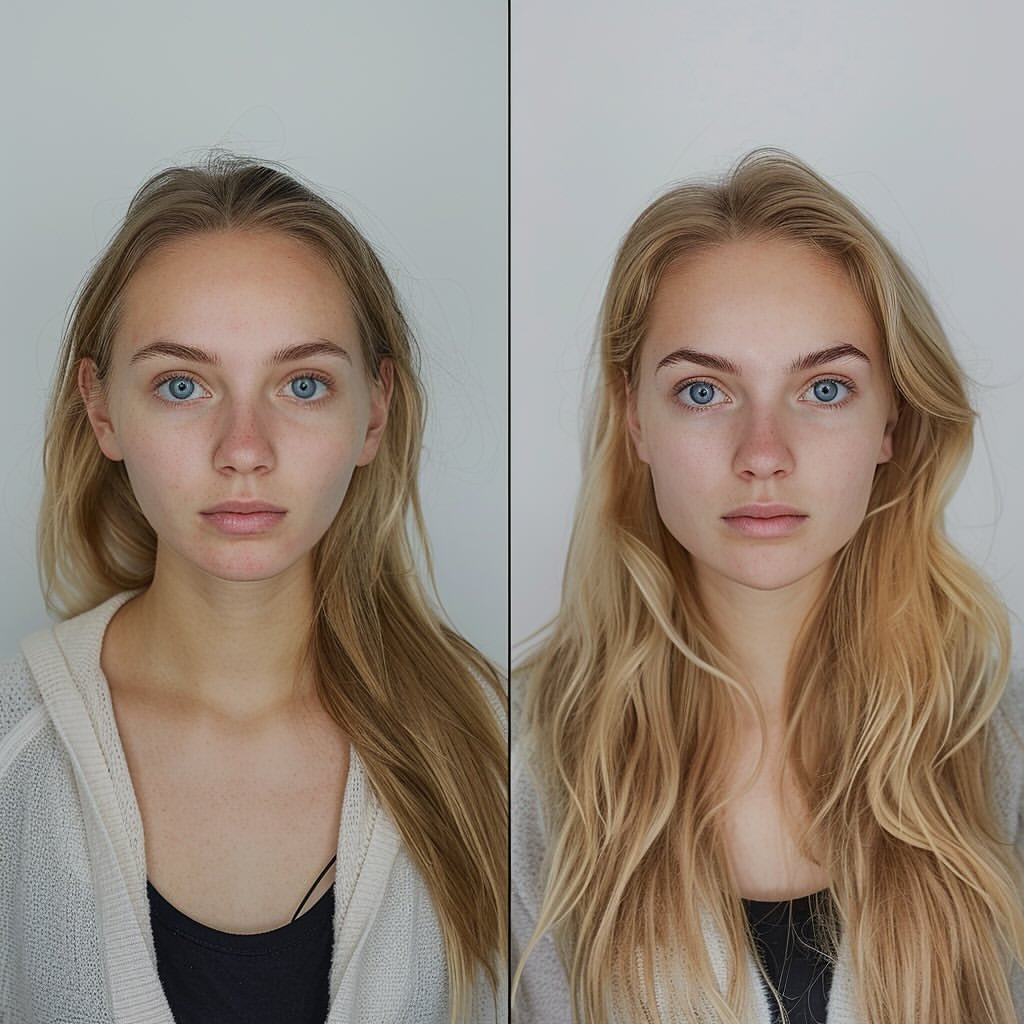
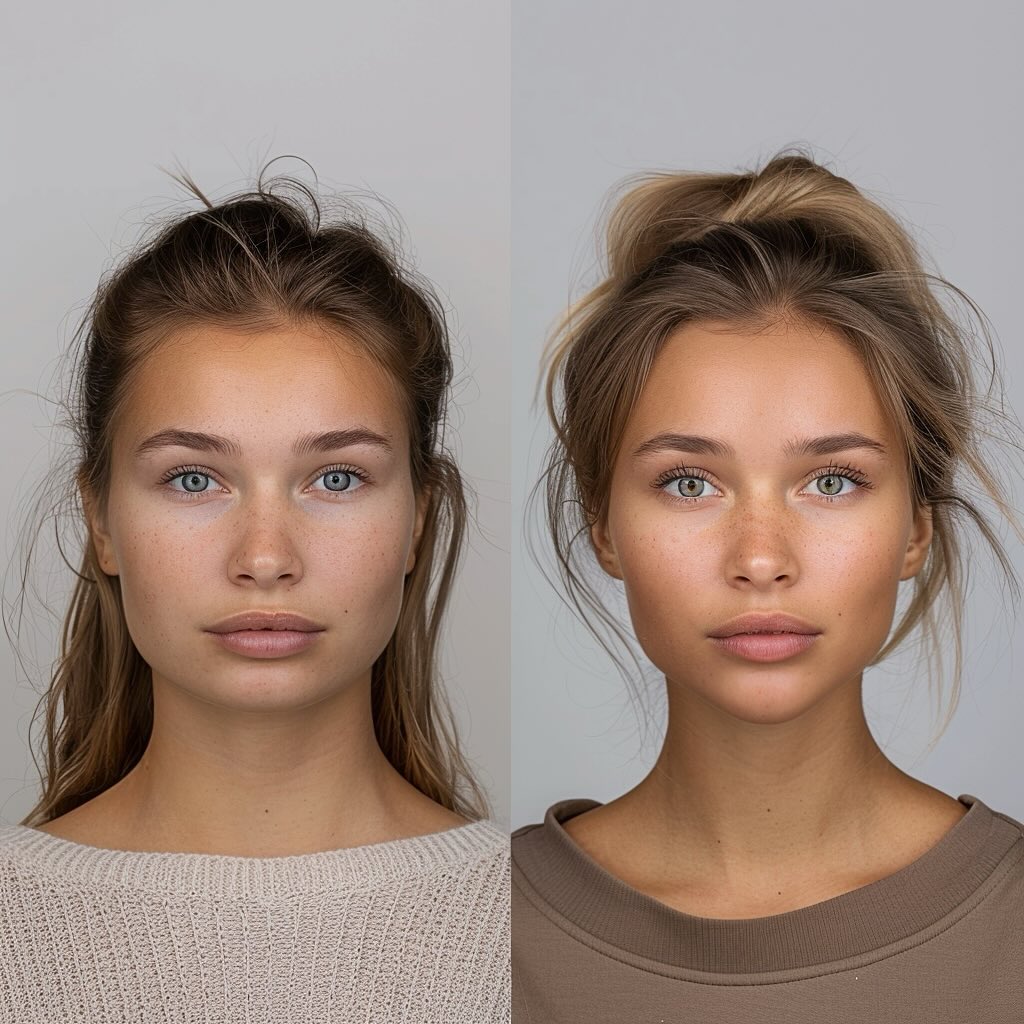
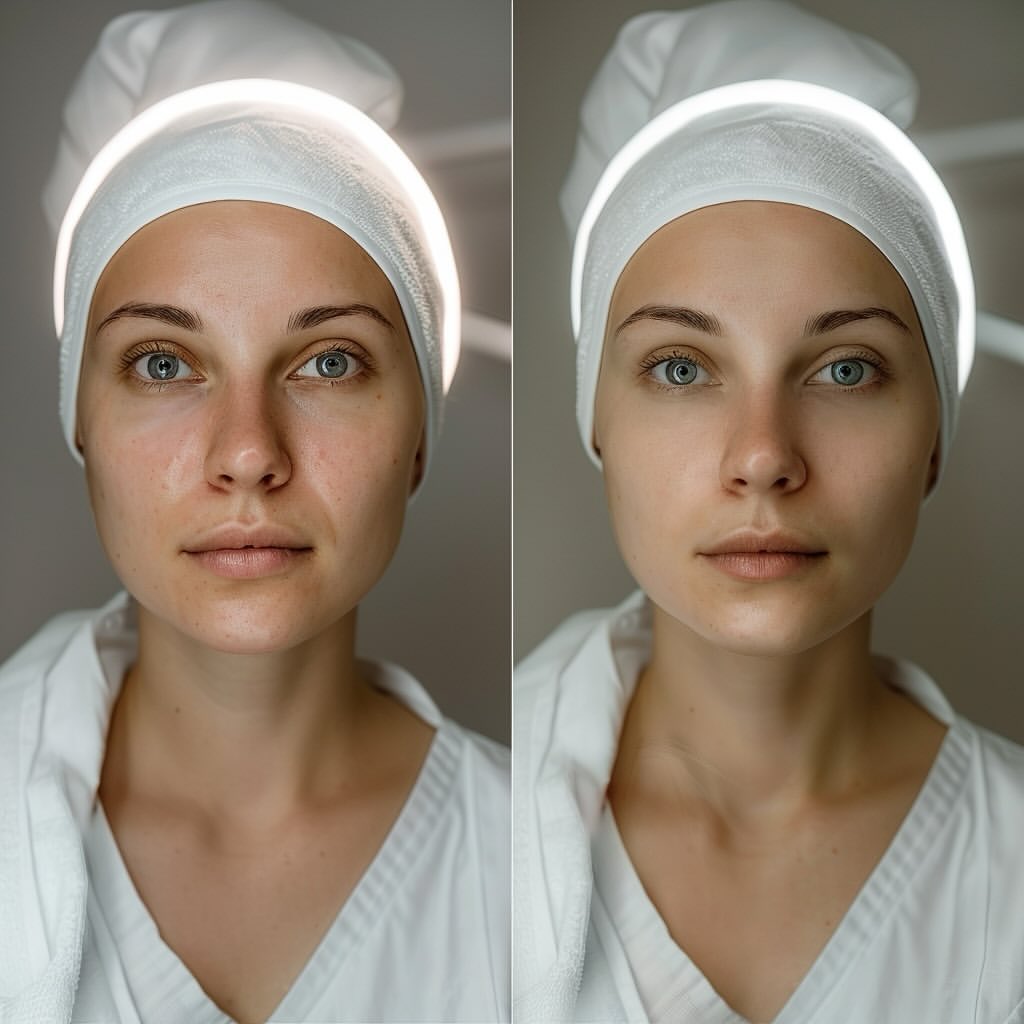
Thousands of satisfied customers
Common Causes of Bags Under Eyes
Understanding the underlying triggers of puffiness is the first step toward effective treatment. Various biological and external factors contribute to the formation of noticeable bags under the eyes.
Fluid Retention and Lifestyle Factors that Cause Bags
Fluid retention often causes bags under eyes, especially after consuming high-salt meals or alcohol. This temporary swelling occurs when the body holds excess water in the thin tissues around the eyes.
To help reduce puffiness caused by lifestyle, clinicians suggest monitoring your sleep and diet. Reducing sodium intake and staying hydrated can significantly improve the appearance of the under-eye area overnight.
Fat Pad Protrusion and Permanent Eye Area Changes
As you get older, the protective fat pads beneath the eyes may begin to bulge. This physical shift creates the classic eye bag appearance that home remedies cannot typically resolve.
This structural change is often permanent without clinical intervention. When fat begins to remove or reposition itself due to gravity, professional surgical or non-surgical treatment becomes necessary for lasting improvement.
Skin Laxity and Loss of Elasticity Around Eye Bag
The skin around the eyes is the thinnest on the body, making it prone to sagging. A decrease in collagen production leads to skin laxity, which highlights any existing under-eye puffiness.
Weakened support structures allow the skin under your eyes to droop, creating a heavy appearance. Strengthening these tissues is a primary goal when seeking how to remove eye bags effectively.
Genetic Factors and Aging Process
For many, eye bags are a common concern inherited through family traits. Genetics dictate the bone structure and fat distribution around your eyes, often causing bags even in younger patients.
Natural aging further exacerbates these inherited traits as skin loses its ability to tighten. Understanding your genetic predisposition helps our surgeons determine the most effective way to completely get rid of bags.

Symptoms and Diagnosis of Under-Eye Bags
Proper diagnosis is vital for selecting the correct procedure. We evaluate your symptoms to determine whether the issue is structural, fluid-based, or related to skin quality.
Identifying Puffy Eyes and Sagging Skin
Puffy eyes are often characterised by mild swelling and loose skin directly under the lower eyelid. This fullness can fluctuate throughout the day depending on hydration levels and physical activity.
If the swelling persists regardless of rest, it may indicate a structural eye bag. Identifying whether the issue is fluid-based or fat-based is the first step in your clinical journey.
Distinguishing Between Dark Circles and Shadows
Dark circles under the eyes are frequently confused with eye bags, though they have different origins. While bags are physical protrusions, dark circles are often caused by visible blood vessels or pigmentation.
Shadows created by protruding bags can make dark circles look more severe. Professional assessment is required to distinguish between true pigmentation and shadows caused by structural hollows under your eyes.
Clinical Assessment for Eye Bag Removal
A thorough clinical assessment involves examining the fat pads, skin quality, and muscle tone. Our specialists evaluate the under-eye area to ensure a safe and effective treatment plan.
During your consultation, we use precise language to explain the expected results based on your anatomy. This diagnosis ensures you receive the most appropriate surgical or non-surgical solutions for eye bags.
When to Consult a Medical Professional for Bags Under the Eyes
You should seek a medical professional if the swelling is severe, persistent, or accompanied by redness. While usually cosmetic, sudden changes in the eye area can sometimes signal underlying health issues.
Common reasons to book a professional consultation include:
- Persistence of swelling despite adequate rest and hydration.
- Visual obstruction caused by heavy sagging skin.
- Emotional distress or loss of confidence due to tired appearance.
- Requirement for a permanent solution rather than temporary fixes.

Non-Surgical Solutions for Eye Bags and Long-Term Care
Non-surgical treatments are excellent for patients who prefer minimal downtime. These methods focus on camouflage, skin tightening, and improving the overall health of the eye area.
Injectable Dermal Filler as a Non-Surgical Treatment Option
Dermal filler is an effective non-surgical treatment to improve the appearance of hollows. By adding volume to the tear trough filler, fillers can make bags less noticeable by smoothing the transition.
While not a way to remove under-eye bags permanently, fillers provide immediate, long-lasting results. This option is ideal for patients who want to refresh the under-eye area without downtime.
Laser Resurfacing to Reduce Under-Eye Bags
Laser resurfacing uses concentrated light to tighten the delicate skin around your eyes. This process stimulates collagen production, which helps improve skin texture and reduce the appearance of fine lines.
The heat from the laser causes the skin under your eyes to contract, creating a smoother look. Clinical studies suggest that laser treatments can significantly improve the appearance of under-eye puffiness.
Chemical Peels and Microneedling to Get Rid of Eye Bags
Chemical peels and microneedling work by resurfacing the skin and encouraging cellular turnover. These treatments target pigmentation and mild skin laxity to refresh the overall eye area.
Microneedling creates micro-channels that trigger the body’s natural healing response to tighten the skin. These non-surgical solutions for eye bags are excellent for maintaining a youthful, rested appearance.
Radiofrequency and Tixel Treatment Option
Radiofrequency treatments deliver energy into the deeper layers of the skin to stimulate tightening. Similarly, Tixel technology uses thermal energy to improve the appearance of the under-eye area effectively.
Key benefits of these thermal technologies include:
- Targeted tightening of the lower eyelid area.
- Stimulated production of elastin and collagen.
- Very short recovery periods compared to surgical methods.
- Improved skin thickness and resilience.
Plasmotherapy and PRP Injections for Puffy Areas
Platelet-Rich Plasma (PRP) therapy uses your own blood’s growth factors to rejuvenate the skin. This natural treatment helps improve skin quality and can reduce the appearance of eye bags over time.
PRP injections are particularly effective for patients with thinning skin around the eyes. By boosting the health of the tissues, this method helps reduce puffiness and brightens dark circles.
Polynucleotides for Skin Regeneration
Polynucleotides are a revolutionary treatment option for repairing the delicate skin under your eyes at a cellular level. They provide deep hydration and stimulate the repair of damaged tissues around the eyes.
This regenerative approach is highly effective for smoothing the appearance of the under-eye area. It works synergistically with other treatments to provide a more comprehensive result for under-eye concerns.

Surgical and Non-Surgical Treatment for Permanent Results
When lifestyle changes and topical treatments fall short, medical interventions offer a more significant transformation. Below is a comparison of common approaches used in professional clinics.
Treatment | Duration of Results | Primary Goal | Downtime |
Dermal Fillers | 6–18 Months | Filling hollows and tear troughs | None |
Laser Therapy | 1–3 Years | Skin tightening and texture | 3–5 Days |
Lower Blepharoplasty | Permanent | Fat removal and skin excision | 10–14 Days |
Polynucleotides | 6–12 Months | Cellular repair and hydration | 1–2 Days |
Lower Lid Blepharoplasty for Permanent Eye Bag Removal
Lower eyelid surgery, or blepharoplasty, is the gold standard to remove eye bags permanently. This surgical procedure involves the precise removal or repositioning of excess fat and skin.
By addressing the structural cause, blepharoplasty eliminates the bulge for years. It is widely considered the most effective way to completely get rid of bags and rejuvenate the face.
Transconjunctival Blepharoplasty Techniques
The transconjunctival approach involves an incision made inside the lower eyelid, leaving no visible scar. This technique is preferred for younger patients with good skin elasticity but significant fat protrusion.
This method allows the surgeon to remove or reposition fat pads with extreme precision. It is a highly sought-after treatment option for those wanting a natural, scar-free result.
Fat Transfer and Repositioning to Remove Eye Bags
Instead of just removing fat, modern surgery often involves fat repositioning to fill hollow areas. This technique prevents a “sunken” look and creates a smooth, youthful contour beneath the eyes.
Fat transfer uses your own tissue to restore volume where it has been lost. This dual approach addresses both the bag and the hollow, providing a superior permanent eye result.
Laser-Assisted Eyelid Surgery
Laser-assisted eyelid surgery uses a laser instead of a scalpel for the initial incisions. This method can help reduce swelling and bruising during the initial recovery phase after the procedure.
The laser seals blood vessels as it cuts, which may improve the healing timeline. Many patients choose this surgical procedure for the added precision and reduced downtime it offers.
Recovery Process and Expected Outcomes
Initial recovery from eyelid surgery typically takes about one to two weeks. While some swelling and bruising are normal, these side effects of eyelid surgery are temporary and manageable.
To ensure the best outcome, follow these recovery steps:
- Use cold compresses as directed by your surgeon.
- Avoid strenuous physical activity for at least two weeks.
- Protect the eye area from direct sunlight with dark sunglasses.
- Keep the head elevated while sleeping during the first week.

Home Remedies to Get Rid of Bags
While home remedies cannot change the anatomy of the eye, they are excellent for managing temporary puffiness. These methods are most effective when the bags are caused by fluid or tiredness.
Cold Compress and Rapid Help for Puffy Eyes
A cold compress is one of the most effective home remedies for temporary under-eye puffiness. The cold temperature constricts blood vessels, which helps reduce swelling and inflammatory responses quickly.
Apply a cool cloth or chilled spoons to your eyes for a few minutes each morning. While not a way to remove eye bags permanently, it makes them significantly less noticeable.
Sleep Optimization to Reduce Under-Eye Bags
To prevent fluid from pooling, you should sleep with your head slightly elevated. Using an extra pillow helps ensure that fluid drains away from the face during the night.
Consistent, high-quality sleep is crucial for the health of the skin around your eyes. This simple adjustment can prevent the heavy, puffy look often seen upon waking up.
Hydration and Dietary Adjustments for Bags Permanently
Reducing salt intake is a vital lifestyle change to help reduce puffiness long-term. Excessive sodium causes the body to retain fluid, which often manifests as bags and wrinkles.
Drinking plenty of water throughout the day helps flush out excess salt and toxins. Proper hydration ensures the delicate skin under your eyes remains plump and resilient against aging.
Managing Allergies to Avoid Bags Under Your Eyes
Chronic allergies often lead to persistent under-eye puffiness and dark circles. Histamine reactions cause blood vessels to swell and may lead you to rub the delicate eye area.
Treating allergies with appropriate medication can prevent the formation of bags due to inflammation. Managing these triggers is essential for anyone seeking how to remove eye bags through lifestyle.
Smoking Cessation and Healthier Skin
Smoking accelerates the breakdown of collagen and elastin, which causes bags and wrinkles to form prematurely. It also impairs blood flow, leading to a dull appearance around your eyes.
Benefits of quitting for eye health include:
- Improved oxygen flow to skin tissues.
- Preserved levels of natural collagen.
- Reduction in dark, sallow skin tones.
- Slower progression of deep under-eye wrinkles.
Prevention Strategies to Remove Eye Bags Permanently
Long-term maintenance is just as important as the initial treatment. Prevention strategies focus on protecting the skin from environmental stressors that lead to sagging.
Sun Protection and UV Defense for Under-Eye Bags
UV exposure is a leading cause of premature aging and skin laxity around the eyes. Wearing sunglasses and applying SPF daily helps protect the delicate skin from losing its elasticity.
Sun damage thins the skin, making the appearance of under-eye bags more prominent. Consistent protection is a key strategy to maintain the results of any eye bag removal treatment.
Specialized Eye Serums and Skincare Products
Using eye creams with active ingredients like caffeine or retinol can help reduce puffiness. Caffeine temporarily constricts vessels, while retinol boosts collagen production to thicken the skin over time.
While creams cannot remove fat, they significantly improve the appearance of the under-eye area. Applying these products correctly ensures the delicate skin remains hydrated and firm.
Consistent Sleep Hygiene to Prevent Puffy Eyes
Maintaining a regular sleep schedule prevents the physical stress that often leads to dark circles. Aim for seven to nine hours of rest to allow the skin to regenerate.
A healthy sleep routine should include:
- Going to bed at the same time every night.
- Limiting screen time one hour before sleep.
- Ensuring the bedroom is dark and cool.
- Avoiding heavy meals and caffeine late in the evening.
Stress Management and Vision Health
Chronic stress can affect your hormonal balance, leading to inflammation and under-eye concerns. Furthermore, straining your eyes at screens can cause the muscles around your eyes to tire.
Practising relaxation techniques and taking breaks from digital devices can help reduce puffiness. A holistic approach to health is vital for preventing the early appearance of eye bags.
Choosing the Right Surgical and Non-Surgical Solutions
Selecting the right path depends on your anatomy, budget, and willingness for downtime. Comparing these solutions helps you make an informed decision for your long-term aesthetic goals.
Comparing Surgical vs Non-Surgical Treatment Benefits
Non-surgical treatments like filler offer quick results with no downtime but require regular maintenance. Surgery provides a permanent solution by physically removing the excess fat that causes the bulge.
Your choice depends on the severity of the bags and your personal lifestyle preferences. Both surgical and non-surgical options have high patient satisfaction rates when performed by experts.
Managing Expectations for Permanent Eye Results
It is important to understand that while surgery is permanent, the face continues to age naturally. Surgery removes existing bags, but it does not stop the natural loss of skin elasticity.
Discussing your goals with an eye surgeon ensures you have a realistic view of the outcome. Clear communication leads to higher satisfaction and a more confident journey toward rejuvenation.
Safety Risks and Procedure Complications
Every treatment option carries some degree of risk, such as bruising, dry eyes, or temporary swelling. Choosing an experienced professional in a clinical setting minimises the likelihood of serious complications.
Standard safety protocols at our clinic include:
- Full medical history review before any procedure.
- Sterile, high-standard clinical environments.
- Detailed post-operative care instructions.
- Scheduled follow-up appointments to monitor healing.
Importance of Professional Consultation for Eye Bag Removal
A professional consultation is the only way to receive an accurate diagnosis and treatment plan. Every face is unique, and what works for one person may not be suitable for you.
Our London specialists are here to guide you through the process of how to remove eye bags. We provide the expertise needed to ensure you achieve a safe, beautiful, and lasting result.
Frequently Asked Questions About How to Remove Eye Bags
Can you remove eye bags permanently without surgery?
Non-surgical treatments like fillers or lasers significantly improve the under-eye area but are rarely permanent solutions. These methods manage symptoms and tighten skin for several months or years. To remove the underlying fat pads permanently, a surgical procedure like blepharoplasty is typically required for a lifetime result.
What are the most effective home remedies for puffy eyes?
The most effective home remedies include applying a cold compress or tea bags to constrict blood vessels. Elevating your head while sleeping and reducing salt intake also help prevent fluid retention. While these methods help reduce puffiness temporarily, they cannot fix structural fat protrusion or significant skin laxity.
Does blepharoplasty provide lifetime results for bags under the eyes?
Blepharoplasty is considered a permanent solution because the removed fat pads do not grow back. While your skin will continue to age naturally over time, the specific bags addressed during surgery generally do not return. Most patients enjoy the refreshed results of their eyelid surgery for many decades.
Can topical creams help get rid of bags?
Topical eye creams containing caffeine, peptides, or retinol can improve skin texture and reduce the appearance of minor swelling. They are excellent for hydrating the delicate skin and boosting collagen. However, no cream can physically remove protruding fat pads or provide the same level of correction as clinical treatments.
What causes bags under eyes in younger patients?
In younger patients, eye bags are usually caused by genetics, chronic allergies, or specific lifestyle factors like lack of sleep. Inherited bone structure can make fat pads more visible even at an early age. Identifying these causes early allows for preventative care or conservative non-surgical solutions to manage appearance.