
Ways to Reduce Excessive Sweat: Practical Solutions to Help You Sweat Less and Feel Fresh

Managing perspiration is a common concern for many individuals seeking to maintain confidence. Whether you experience mild dampness or persistent moisture, finding effective ways to stop sweating excessively is essential for daily comfort and skin health.
Modern aesthetic medicine and home care offer various strategies to help control how your body produces moisture. By combining lifestyle adjustments with clinical interventions, you can successfully reduce the amount of sweat and improve your overall quality of life.

Thousands of satisfied customers
Primary Causes of Excessive Sweating
The biological process of sweating is vital for thermoregulation, but when the volume exceeds what is necessary for cooling, it becomes a medical concern. Understanding the underlying reasons is the first step toward effective management.
Genetic Factors and Primary Hyperhidrosis
A condition called hyperhidrosis often manifests as sweating too much in specific areas like the underarms. Clinical studies suggest that primary hyperhidrosis is frequently hereditary, meaning your family history may be the cause due to overactive nerves.
These nerves cause sweat glands to activate even without physical exertion or heat triggers. Understanding this genetic link helps patients realize that sweating excessively is a medical concern rather than a simple hygiene failure.
Secondary Hyperhidrosis Linked to Health Conditions
Secondary hyperhidrosis occurs when an underlying medical issue is causing you to sweat. This type of sweating is often more generalized across the body rather than localized to specific zones.
Common causes include:
- Hormonal imbalances and thyroid issues
- Infections or immune system responses
- Metabolic disorders like diabetes
- Side effects from certain medications
- Neurological conditions affecting the gland signals
Environmental Triggers and High Temperatures
High external temperatures naturally force the body to keep you cool by releasing moisture. When the environment is humid or excessively hot, your sweat glands work harder to maintain a stable internal body temperature.
Frequent exposure to these conditions can lead to persistent dampness and discomfort. Utilizing fans, air conditioning, and seeking shade are practical tips to prevent sweating from becoming unmanageable during the summer months.
Emotional Stress and Perspiration Responses
The nervous system is closely linked to your sweat glands, often reacting to anxiety or pressure. Stress-induced sweating usually affects the face and head, palms, and underarms as part of a “fight or flight” response.
This physiological reaction can create a cycle where worrying about sweat leads to more perspiration. Professional aesthetic clinics often see patients seeking to reduce excessive sweating triggered by high-pressure social or work environments.
Diet and Lifestyle Choices Affecting Body Heat
Certain lifestyle habits can significantly influence how much your body produces moisture. The body reacts to stimulants by increasing the heart rate, which often leads to a rise in thermal output.
Factors that impact moisture production include:
- Regular consumption of alcohol or nicotine
- High intake of processed sugars
- Sedentary habits affecting metabolic rate
- Sudden changes in daily routine or sleep patterns
Using Antiperspirants and Deodorant Effectively
Topical applications remain the most accessible method for controlling daily moisture. However, the efficacy of these products depends heavily on how and when they are applied to the skin.
Best Time to Apply Antiperspirant for Maximum Results
To ensure antiperspirants work effectively, you should apply them at night before going to bed. This allows the aluminum chloride to settle into the sweat glands while they are least active during sleep.
Applying products to a dry armpit in the evening provides a better barrier for the following day. This method is often more successful than morning application when sweat flow might wash the product away.
Key Differences Between Deodorant and Antiperspirants
A common misconception is that a deodorant and antiperspirant serve the same purpose. While they are often sold together, their mechanisms of action are fundamentally different.
Feature | Deodorant | Antiperspirant |
Primary Function | Masks and neutralizes odor | Blocks sweat production |
Active Ingredients | Antimicrobials and fragrances | Aluminum-based salts |
Method of Action | Targets bacteria on the skin | Plugs the sweat glands |
Best Use Case | General freshness | Excessive moisture control |
Specialized Products for Sensitive Underarms
Individuals with delicate skin may experience skin problems when using clinical-strength antiperspirants. Many high-performance formulas now offer soothing ingredients to prevent irritation while still working to help reduce sweating in the affected area.
If you experience redness, look for alcohol-free or fragrance-free options that focus on moisture control. These specialized products help control perspiration without compromising the integrity of your skin barrier in the underarm region.
Managing Moisture in the Armpit Area
Controlling the underarm environment requires a combination of the right products and application techniques. Consistency is key to maintaining a dry surface throughout the day.
Recommended steps for application:
- Wash the area with a mild cleanser
- Pat the skin completely dry with a towel
- Apply a thin, even layer of product
- Allow the formula to dry before dressing
Home Remedies to Reduce Sweating
Natural strategies can provide significant relief for those dealing with moderate perspiration. These methods focus on managing the skin’s microclimate and reducing the external triggers of moisture.
Choosing Breathable Fabrics and Natural Fibers
Wearing breathable clothing made from cotton, linen, or silk allows air to circulate around the body. Unlike synthetic materials, breathable fabrics help to wick moisture away from the skin and keep you cool.
Lightweight, loose-fitting garments prevent heat from being trapped against your skin. This simple change in your wardrobe can drastically reduce the amount of sweat trapped in your clothes during busy days.
Benefits of Regular Showers and Proper Hygiene
A consistent hygiene routine is fundamental to managing body odor and skin health. Regular washing removes the bacteria that react with perspiration to produce an unpleasant odor, especially in the underarms.
Using antibacterial soap can further help control the microbial population on the skin. Drying yourself thoroughly after a shower is equally important to prevent the growth of fungi in damp areas.
Utilizing Body Powders to Absorb Moisture
Applying talc-free powders can help soak up moisture in areas prone to chafing or dampness. These powders act as a secondary barrier, absorbing excess fluid before it can saturate your clothing or cause discomfort.
Natural options like cornstarch can also be effective for those seeking chemical-free alternatives. This method is particularly useful for the hands and feet or under the breasts where skin-to-skin contact occurs.
Grooming Tips for Shaving Underarms
Keeping the underarm area groomed can significantly help reduce the trapped moisture that leads to odor. Hair can hold onto sweat and bacteria, making it more difficult for antiperspirants to reach the skin.
Regular shaving or trimming ensures that topical treatments are applied directly to the sweat glands. This practice promotes a cleaner, drier sensation and enhances the effectiveness of your daily hygiene products.
Dietary Adjustments to Help You Sweat Less
What you eat has a direct impact on your internal thermal regulation. By adjusting your nutrition, you can lower the frequency of sweat spikes triggered by metabolic heat.
Foods to Avoid Including Spicy Dishes and Caffeine
Consuming spicy food contains capsaicin, which signals your brain that the body is overheating. This triggers a cooling response, often causing you to sweat excessively even in cool environments.
Similarly, caffeine stimulates the central nervous system and activates sweat glands. Reducing your intake of these triggers is one of the most practical ways to stop sweating after meals or morning coffee.
Role of Hydration in Regulating Body Temperature
It is essential to hydrate throughout the day to help your body manage its internal thermostat. When you are well-hydrated, your body temperature remains more stable, reducing the need for emergency cooling.
Drinking plenty of water ensures that your system functions efficiently without overworking the sweat glands. Aim for consistent water intake rather than consuming large volumes only when you feel thirsty.
Impact of Weight Management on Perspiration
Carrying excess weight can insulate the body, leading to a higher internal temperature. This often results in the body producing a larger amount of sweat to compensate for the trapped heat.
Adopting a balanced diet and regular exercise can help reduce the physical strain on your cooling system. Weight management is a long-term strategy that supports many other medical treatments for hyperhidrosis.
Herbal Tea and Natural Cooling Remedies
Certain herbal infusions, such as sage tea, are traditionally thought to have astringent properties. Some believe these natural remedies can help to reduce the activity of sweat glands over time.
While not a substitute for medical advice, incorporating cooling herbs can be a supportive part of your routine. Always consult with your doctor before starting any new herbal regimen to ensure safety.
Medical Treatments for Chronic Excessive Sweat
When home care and topical products fail to provide relief, clinical interventions offer more robust results. These treatments are specifically designed to target the source of the perspiration.
Botox Injections for Persistent Hyperhidrosis
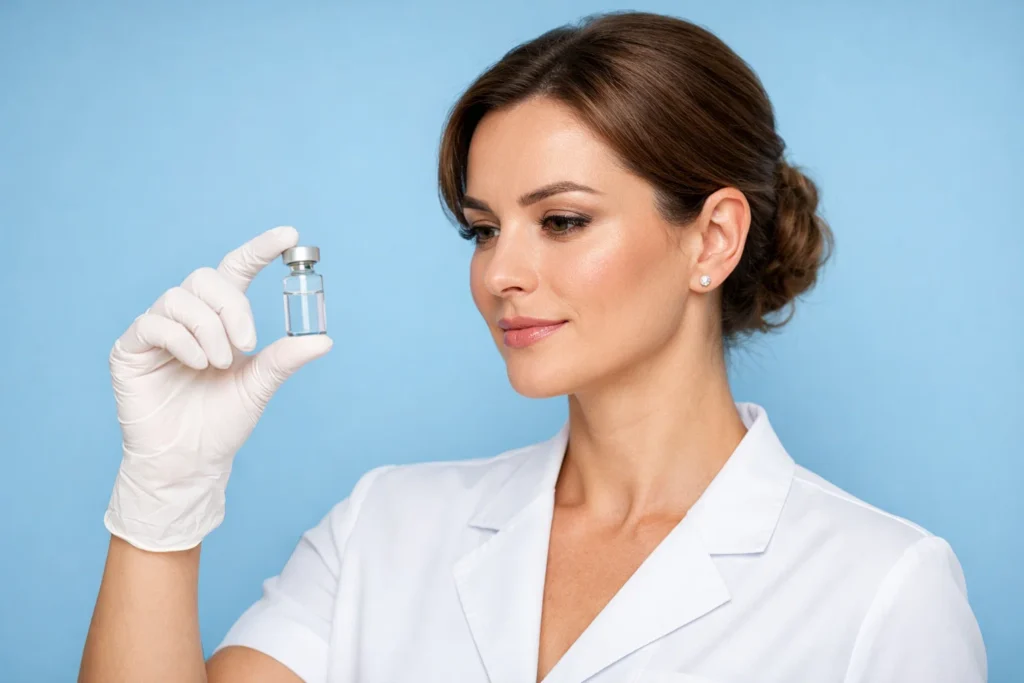
Botox for hyperhidrosis is a highly effective clinical solution for those who do not respond to topical treatments. The botulinum toxin works by blocking the chemical signals that tell your sweat glands to activate.
During the procedure, a specialist administers a small injection into the underarm or affected area, similar to professional wrinkle treatment methods. These injections temporarily stop the moisture production, with desired results typically lasting between six and twelve months.
Iontophoresis Therapy for Hands and Feet
Iontophoresis is a specialized treatment where the affected area is submerged in water while a gentle electrical current is passed through. This process is particularly effective for reducing moisture on the hands and feet.
Patients usually require several sessions to achieve the desired results. Once the initial phase is complete, maintenance treatments can help to reduce the recurrence of excessive moisture significantly.
Prescription Anticholinergic Medications
For generalized sweating, a doctor may prescribe oral medication known as anticholinergic drugs. These medications work systemically to reduce the activity of sweat glands across the entire body.
Commonly prescribed options include:
- Glycopyrrolate
- Oxybutynin
- Propantheline
- Benztropine
Lifestyle Management for Daily Sweat Control
Beyond diet and medicine, how you manage your daily routine determines your level of comfort. Small adjustments in your lifestyle can lead to significant improvements in moisture control.
Stress Reduction Techniques and Relaxation
Since anxiety can cause sweating, practicing mindfulness or deep breathing can help regulate your nervous system. Lowering your overall stress levels reduces the frequency of “cold sweats” and sudden bursts of perspiration.
Consistent relaxation techniques can prevent the nervous system from overreacting to daily pressures. This holistic approach complements clinical treatments by addressing the emotional triggers of excessive sweat.
Managing Hot Flashes and Hormonal Changes
Conditions such as menopause or puberty involve significant hormonal shifts that affect body temperature. Many people experience night sweats or sudden hot flashes during these transitional periods of life.
Talking to your doctor about hormone management can provide relief from these symptoms. Layering clothes and using fans can also help you stay dry during these temporary hormonal fluctuations.
Protective Clothing and Sweat-Proof Breathable Undershirts
Specialized sweat-proof undershirts are designed with reinforced layers to prevent moisture from reaching your outer garments. These are often made from high-tech breathable fabrics that allow for effective air movement.
Using these garments provides an extra layer of security during important meetings or events. They are a practical investment for anyone looking for ways to stop sweat from ruining professional attire.
Exercise Habits to Improve Body Regulation
While exercise causes temporary sweating, regular physical activity can actually improve your body’s long-term ability to regulate temperature. A fit cardiovascular system often manages heat more efficiently during rest.
To manage post-workout sweat:
- Wear moisture-wicking synthetic fabrics during training
- Take a cool shower immediately after exertion
- Stay in a ventilated area until your heart rate normalizes
- Hydrate with electrolytes to balance loss
FAQs
Does drinking cold water help minimize perspiration?
Drinking cold water can help lower your internal body temperature, which may slightly reduce the need for your sweat glands to activate. While it is not a cure for hyperhidrosis, staying hydrated is a fundamental way to support your body’s natural cooling system and overall health.
Why do some people sweat more than others during exercise?
The amount of sweat produced during physical activity varies based on fitness levels, weight, and genetics. Generally, those who are more physically fit may actually start sweating sooner because their bodies have become highly efficient at cooling down to maintain performance during intense exertion or heat.
Can certain vitamins or supplements reduce body moisture?
Some evidence suggests that vitamin B complexes can help regulate metabolic functions, potentially assisting with sweat control. However, you should always consult with your doctor before taking supplements for this purpose. Professional guidance ensures that you address the root cause of the perspiration rather than just the symptoms.
Are there specific fabrics that actually increase sweating?
Synthetic materials like polyester, nylon, and acrylic tend to trap heat and moisture against the skin. Because these fabrics are not breathable, they can cause your body temperature to rise, leading to increased perspiration. Choosing natural fibers is a more effective way to stay dry and comfortable.
How long does it take for medical treatments to show results?
The timeline for desired results depends on the specific treatment used. Botox injections typically show significant improvement within a week, while iontophoresis may require several sessions over a few weeks. It is best to talk to your doctor about expectations for your specific condition and chosen clinical path.