
How To Get Rid Of Rosacea Permanently: Guide on Rosacea Symptoms

Rosacea is a chronic skin condition that causes facial redness and irritation, primarily affecting the nose and cheeks. While many patients seek a cure for this disorder, it remains a lifelong condition requiring professional management.
Working with a dermatologist is essential to develop a bespoke plan. Our central London clinic focuses on advanced laser therapy and medical-grade skincare to reduce redness and restore confidence for people with rosacea.

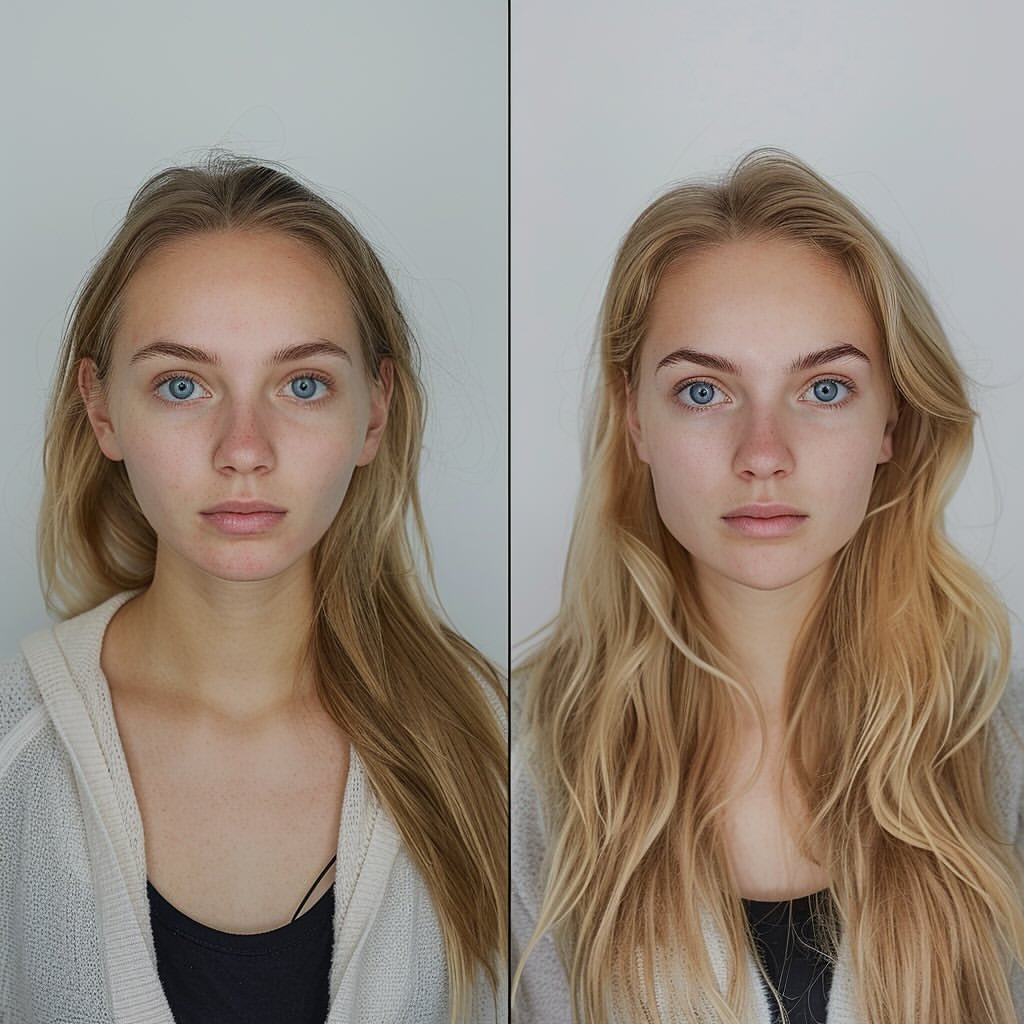
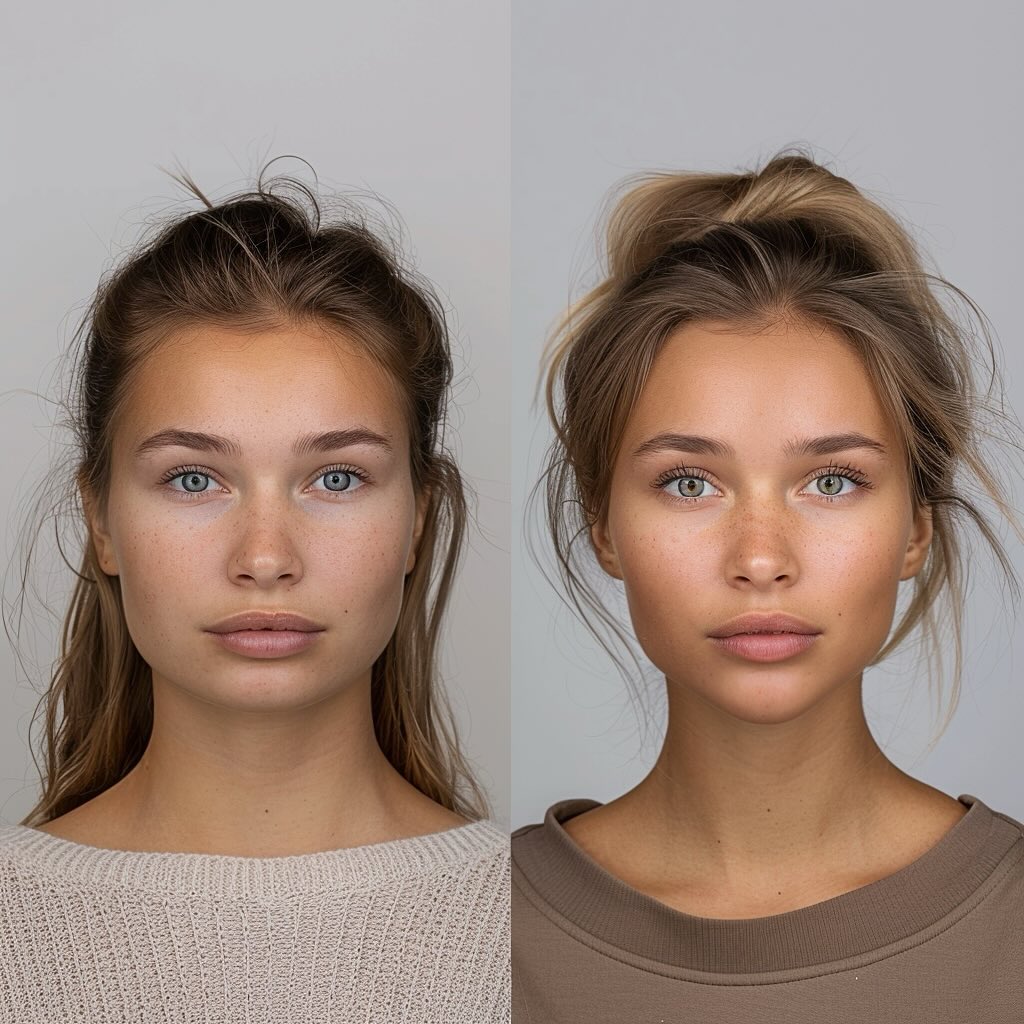
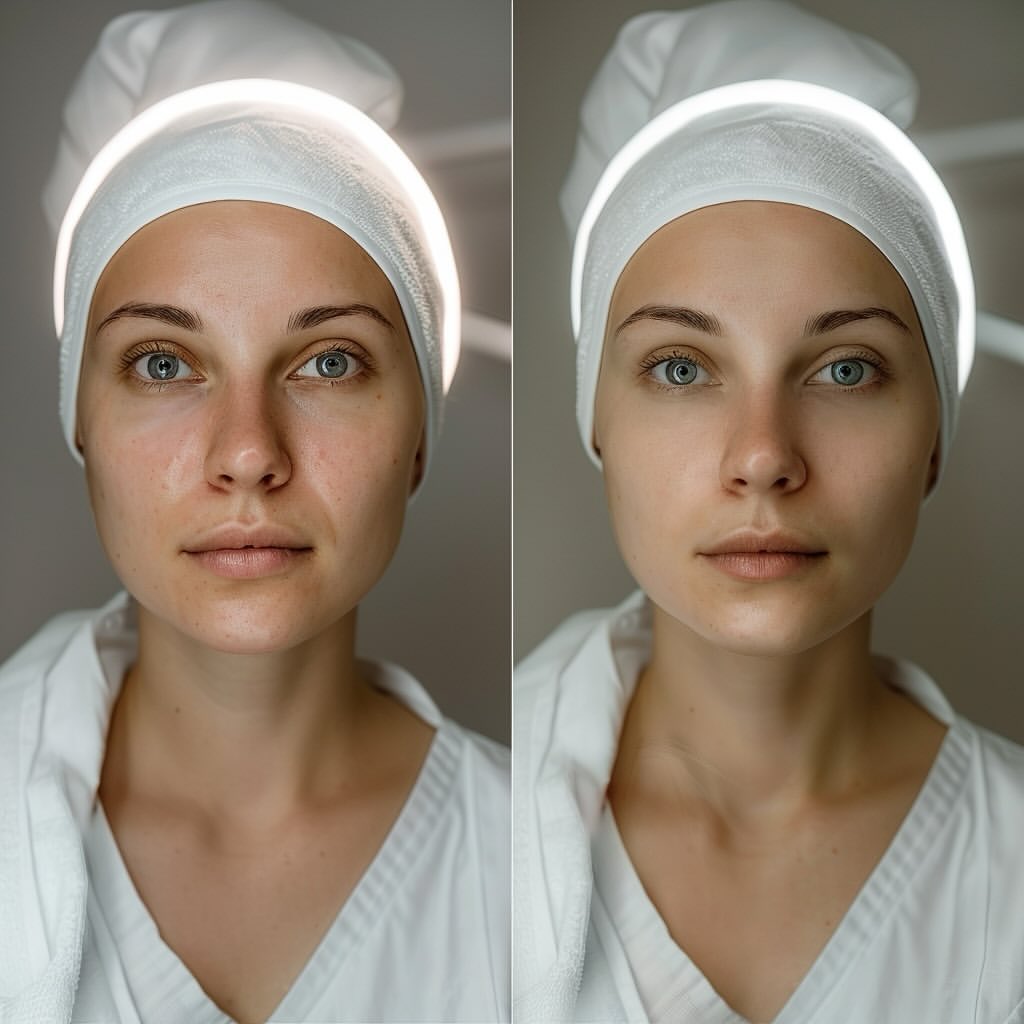
Thousands of satisfied customers
Primary Rosacea Symptoms and Diagnosis of Rosacea
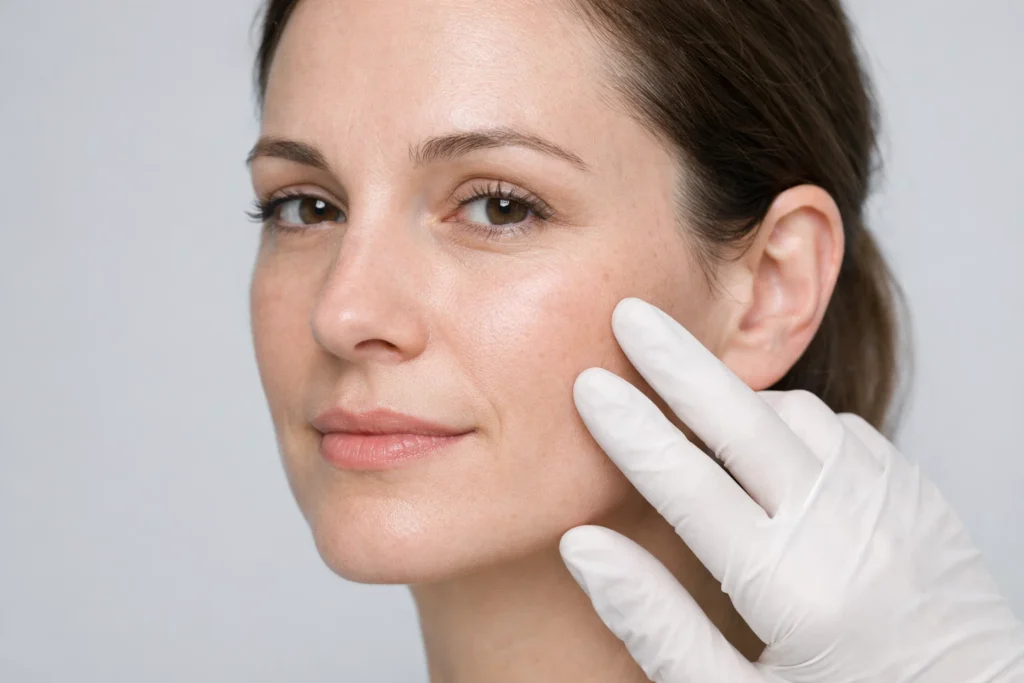
The diagnosis of this skin issue is usually clinical, based on a physical examination of your skin. A specialist will assess the pattern of redness and visible blood vessels to distinguish it from acne.
Standard tests to diagnose rosacea are rare, though a skin biopsy may exclude other conditions. Early intervention helps prevent severe instances of the ailment from developing into permanent tissue changes or persistent swelling.
Common Symptoms of Rosacea and Early Warning Signs
The first sign of the condition is often a frequent flush or blush that lasts longer than usual. You may notice your skin feels hot, stinging, or tender during these episodes.
Typical early signs include:
- Intermittent facial flushing
- Slight stinging when applying skincare
- Mild but persistent warmth in the cheeks
- Increased sensitivity to sunlight
Over time, this facial redness becomes persistent. You might observe small blood vessels in the face becoming visible, appearing as thin red lines across the bridge of the nose.
Identification of Each Specific Type of Rosacea
There are four primary rosacea types that vary from person to person. Identifying which one you have is the first step toward finding the right treatment.
Rosacea Type | Key Characteristics | Common Areas Affected |
Erythematotelangiectatic | Persistent redness and visible blood vessels | Cheeks, nose, forehead |
Papulopustular | Red bumps and pimples (acne-like) | Central face |
Phymatous | Skin thickening and irregular surface | Nose (Rhinophyma) |
Ocular | Irritation, redness, and grit in eyes | Eyelids and eyeballs |
Average Duration of Rosacea Flare-ups and Progression
A flare-up of the condition can last from several days to weeks. The frequency and intensity of these episodes may increase if you do not identify and avoid your specific triggers.
Progression usually follows these stages:
- Pre-rosacea: Frequent flushing.
- Vascular: Persistent redness and visible vessels.
- Inflammatory: Appearance of red bumps and pimples.
- Late stage: Potential skin thickening.
Without the right treatment, mild forms of the disease may progress. Chronic inflammation can cause the skin to remain permanently red as the blood vessels lose their ability to constrict effectively.
Biological Factors and Primary Cause of Rosacea
The exact cause of the pathology is unknown, but clinical studies suggest a combination of hereditary and environmental factors. It is a complex inflammatory response in people with rosacea.
Research indicates that an overactive immune system and neurovascular dysregulation play roles. The condition may involve an exaggerated reaction to microscopic organisms that naturally live on human skin.
Genetics and What Causes Rosacea in Families
Genetics significantly influence the frequency of the diagnosis. If you have a family history of the condition, you are more likely to develop symptoms of rosacea during your lifetime.
Studies show that certain gene clusters associated with inflammation are more prevalent in patients. This hereditary link suggests that your DNA predisposes your skin to heightened vascular sensitivity.
Role of Hormones in Skin Inflammation
Hormonal fluctuations may cause the symptoms to become worse. Many patients report that menopause or pregnancy triggers new or more severe facial redness and heat sensations.
Hormones influence the sebaceous glands and the inflammatory response. Managing these internal shifts is a crucial part of managing the problem effectively for long-term skin stability.
Gut Health and Internal Causes of Rosacea
Evidence suggests a strong link between diet and the ailment, particularly regarding gut health. Small Intestinal Bacterial Overgrowth (SIBO) is more common in those with this skin condition.
An imbalanced microbiome may trigger systemic inflammation that manifests on the face. Improving digestive health through professional guidance can often improve the overall skin appearance significantly.
Histamine Intolerance and Skin Sensitivity
Histamine is a chemical that may cause blood vessels to dilate. People with a sensitivity to high-histamine foods often experience a rapid flush and increased redness.
Lowering histamine intake can help reduce the severity of a flare-up. This internal management complements topical treatments by addressing the root cause of vascular dilation from within.

Professional Treatment for Rosacea and Medical Options
Effective treatment for the condition involves a multi-layered approach tailored to your specific symptoms. A dermatologist may recommend combining medical prescriptions with advanced clinical procedures for the best results.
Commonly prescribed medical interventions:
- Azelaic acid to reduce inflammation
- Metronidazole for antimicrobial action
- Ivermectin to target Demodex mites
- Brimonidine for temporary vascular constriction
While you cannot get rid of the disorder permanently in a biological sense, modern medicine and professional rosacea treatment can achieve near-total clearance. Consistent care ensures the skin remains calm and the condition stays in remission.
Most Effective Cream and Prescription Topical Treatment
A medicated cream or gel is often the first line of defence. Topical treatments like metronidazole or azelaic acid work to reduce inflammation and clear red bumps.
Ivermectin cream targets Demodex folliculorum mites, which are often found in higher numbers on the affected skin. These topical applications help manage the bumps and pimples associated with the condition.
Oral Antibiotics for Advanced Treatment of Rosacea
For moderate to severe cases, a low-dose antibiotic may be necessary. These medications are used for their anti-inflammatory properties rather than to kill bacteria.
This systemic approach helps calm widespread inflammation quickly. It is particularly useful for papulopustular cases where topical creams alone are not sufficient to control the breakout.
Role of Polynucleotides in Modern Rosacea Treatment
Polynucleotides are an innovative injectable treatment that may improve skin quality. They stimulate cellular repair and strengthen the skin barrier, making it less reactive to triggers.
By enhancing the health of the dermis, these treatments reduce the baseline of redness. They offer a biological way to manage the chronic sensitivity associated with long-term suffering from this condition.

Natural Methods To Treat Rosacea and Home Care
Home care is vital for preventing flare-ups and supporting clinical results. Using the right products and techniques helps protect your face from daily environmental stressors.
A gentle approach is always best. Avoid harsh exfoliants or alcohol-based toners, as these will likely make the symptoms worse and damage the delicate skin barrier.
Anti-Inflammatory Diet for Managing Rosacea
Certain foods act as potential triggers by increasing internal heat. Avoiding spicy foods, hot beverages, and alcohol can lead to a visible reduction in facial flushing.
Consider adding these skin-soothing items to your diet:
- Fresh berries and antioxidant-rich fruits
- Leafy green vegetables
- Fatty fish like salmon (Omega-3)
- Probiotic-rich yogurt or kefir
Focusing on cooling, anti-inflammatory foods helps soothe the skin. Consistency in your diet is a powerful tool for maintaining a clear complexion.
Herbal Remedies and Natural Supplements
Some natural extracts, such as green tea or liquorice root, have proven anti-inflammatory effects. These can be found in specialized skincare or taken as oral supplements.
Always consult a professional before starting new supplements. While some may help, others might cause long-term or permanent interference with prescription medications you are currently using.
Cooling Techniques for Temperature Control
Heat is a major trigger for most patients. Using cool water to wash your face and applying cold compresses during a flush can help constrict blood vessels.
In our London clinic, we advise patients to stay in well-ventilated areas. Maintaining a stable body temperature is essential for preventing the sudden dilation of facial vessels.
Alternative Medicine Approaches To Treat Rosacea
Acupuncture and meditation may help some patients manage the vascular response. These practices focus on calming the nervous system, which is closely linked to skin flushing.
While these methods do not replace medical management, they serve as helpful adjuncts. Reducing systemic stress can lower the frequency of episodes for many people with this condition.

Lifestyle Changes for Preventing Rosacea Flare-ups
Managing the ailment is a lifelong commitment to lifestyle adjustments. Small changes in your daily routine can significantly decrease the likelihood of a painful or embarrassing flare-up.
Understanding your personal triggers is the most important step. Keeping a diary of food, weather, and activities can help you identify what causes your skin to react.
Identifying Every Common Environmental Trigger
Sun exposure is the most frequent trigger reported by patients. Even short periods in the sun can cause significant redness and irritation on the nose and cheeks.
Common environmental threats include:
- Harsh winds and cold air
- Extreme indoor heating
- High humidity or saunas
- Pollution and urban smog
Wind, cold weather, and high humidity also play roles. Using a high-SPF mineral sunscreen every day is non-negotiable for protecting the skin from UV-induced inflammation.
Stress Management and Nervous System Support
Emotional stress can cause a rapid increase in blood flow to the face. Learning relaxation techniques can help you control the physical response to stressful situations.
When the nervous system is calm, the skin is less likely to flush. This holistic approach is a key component of preventing future episodes in busy urban environments.
Exercise Adjustments for Different Rosacea Types
Vigorous exercise can lead to overheating and a severe flare-up. To stay active without triggering redness, try exercising in shorter bursts or in cooler environments.
Swimming in lukewarm water or practicing low-impact yoga are excellent choices. These activities provide the benefits of fitness without the high thermal load that aggravates the skin problem.
Managing Underlying Conditions for Long-Term Relief
Other health issues, such as high blood pressure, can make the symptoms worse. Addressing your overall health ensures that your skin has the best chance to heal.
To support your skin, consider these steps:
- Monitor blood pressure regularly
- Stay hydrated throughout the day
- Ensure adequate sleep for cellular repair
- Manage existing allergies or sensitivities
Regular check-ups with your GP complement your dermatologist’s efforts. A healthy body provides a stable foundation for the effective management of the condition and long-term remission.

FAQ
Is rosacea contagious to other people?
The condition is not an infectious ailment and cannot be passed from one person to another through contact. It is an internal inflammatory and vascular disorder. You do not need to worry about spreading it to family or friends through physical touch, sharing towels, or close proximity.
Can you pop bumps caused by flare-ups?
You should never attempt to pop the bumps and pimples caused by the disease. Unlike standard acne, these lesions are inflammatory and do not contain a “plug.” Squeezing them will only increase inflammation, damage blood vessels, and lead to potential scarring or permanent skin thickening on the face.
Does this skin condition worsen with age?
The symptoms may progress if left untreated as the skin becomes more sensitive over time. Chronic redness can lead to permanent thickening of the tissue, especially on the nose. However, with consistent medical management and the right treatment, most patients can successfully prevent the condition from becoming severe.
What is the number one trigger for facial redness?
Sun exposure is widely considered the primary trigger for the majority of patients. UV rays damage the skin barrier and dilate blood vessels, leading to immediate flushing. Consistent use of broad-spectrum mineral sunscreen is the most effective way to protect your face and reduce flare-up frequency.
Can lifestyle changes eliminate redness without surgery?
Lifestyle changes can significantly reduce the frequency of flares but rarely eliminate persistent redness once vessels are permanently dilated. While avoiding triggers prevents new damage, clinical laser treatment is usually required to remove visible blood vessels. A combination of lifestyle shifts and professional therapy offers the best long-term outcome.