
Best Treatment to Get Rid of Crow's Feet and Prevent Crow's Feet


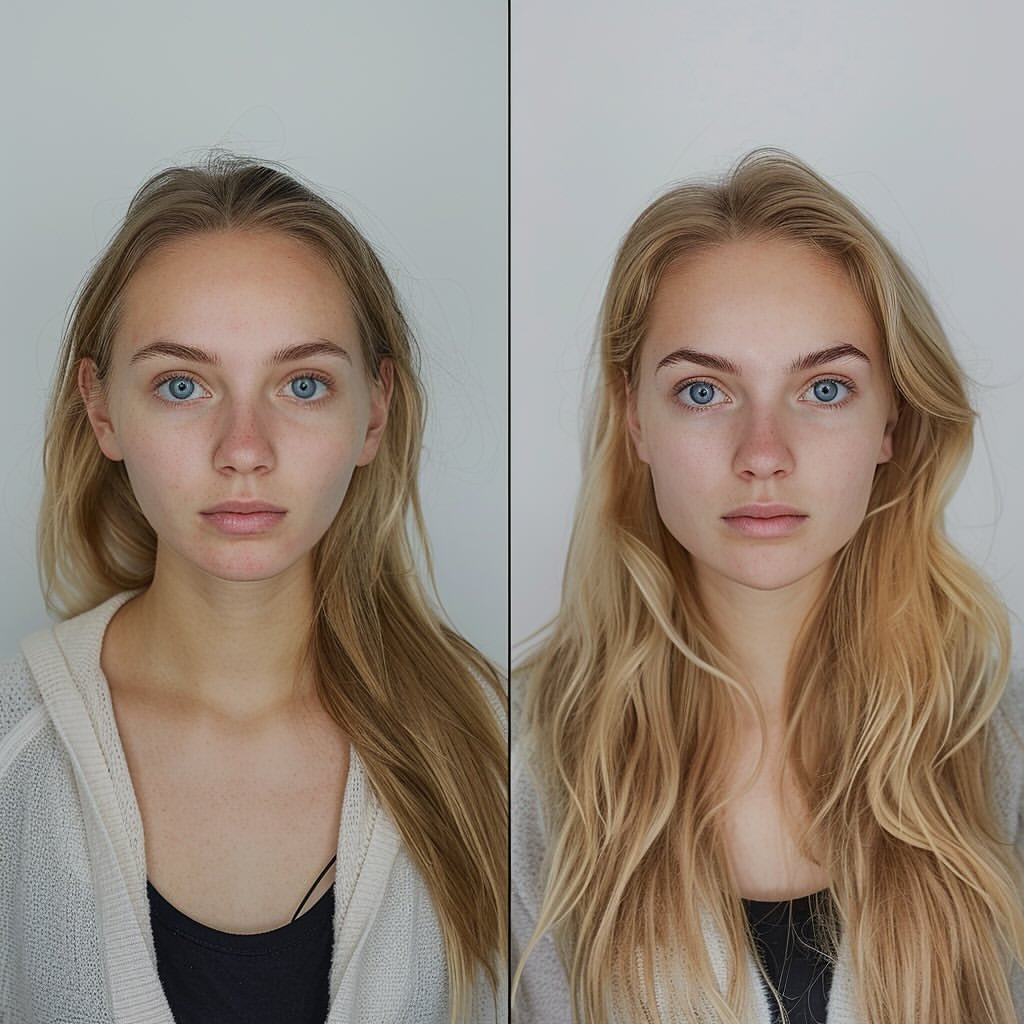

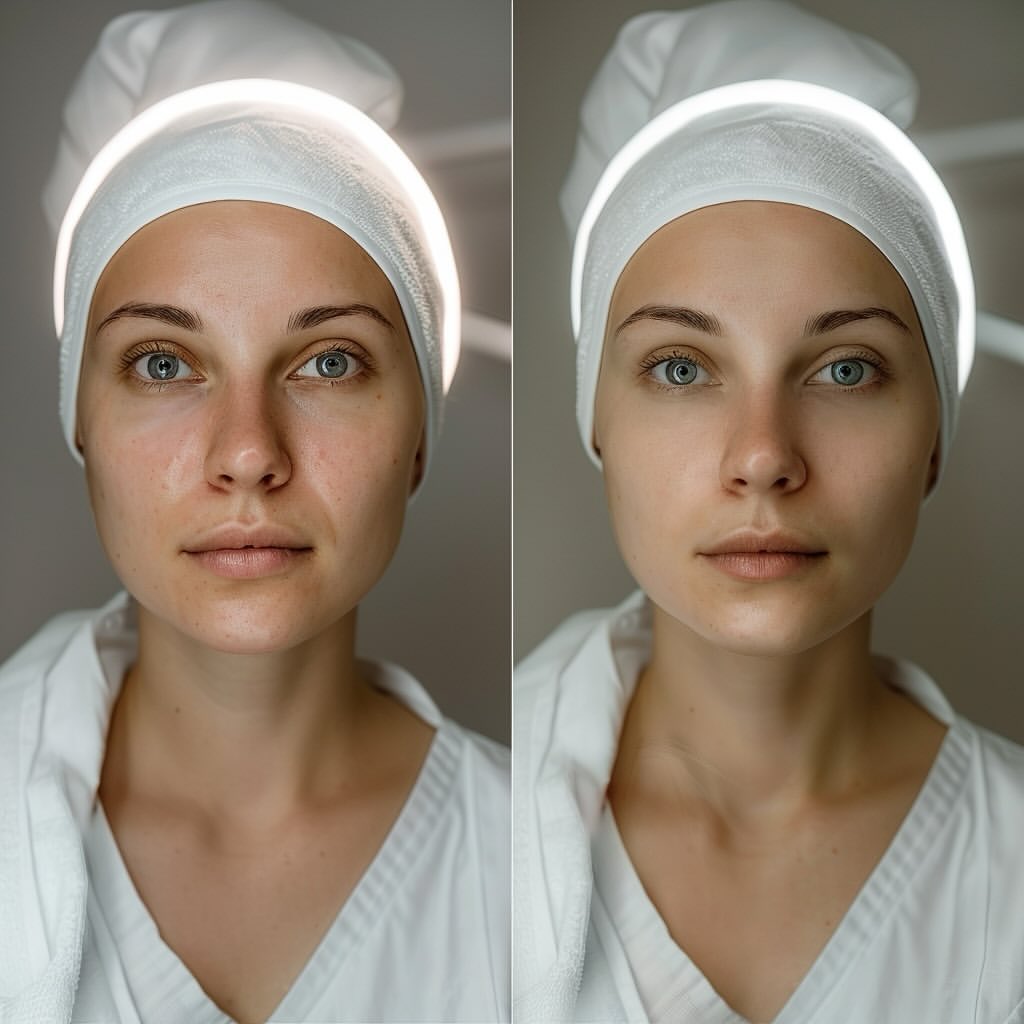
Thousands of satisfied customers
What are crow's feet and why do they appear?
Crow’s feet are wrinkles that form at the outer corner of the eyes. These fine lines and wrinkles are often the first signs of ageing to appear on the face.
The skin around the eyes is significantly thinner than the rest of the face. This makes the area more susceptible to damage and the natural loss of elasticity over time.
Difference between crow’s feet and other eye wrinkles
Crow’s feet specifically fan out from the lateral canthus. Unlike under-eye hollows or hooded lids, these wrinkles are primarily driven by the contraction of the orbicularis oculi muscle during facial expressions.
Dynamic vs static lines around eyes
Dynamic lines appear only during movement, like smiling and squinting. Over time, these transition into static wrinkles, which remain visible even when your face is at rest due to collagen loss.
Main causes of fine lines in periorbital area
Repetitive natural facial expressions are the primary trigger for these changes. However, environmental factors such as chronic sun exposure and pollution accelerate the breakdown of collagen and elastin in the delicate dermis around the eyes.
Common factors contributing to these lines include:
- High levels of UV exposure without protection
- Natural decline in hyaluronic acid production
- Repeated muscle contractions from smiling and squinting
- Environmental pollutants and free radical damage
Scientific reason behind name for these eye wrinkles
The term describes the pattern of the lines, which mimics the footprint of a crow. In clinical settings, we refer to them as lateral canthal lines, typically treated with botulinum toxin.

At what age do crow's feet start appearing?
Most patients notice the first visible crow’s feet in their late twenties or early thirties. This is when the body’s natural collagen production begins to decline by approximately one percent annually.
By the age of forty, decreased elasticity makes these lines more prominent. Environmental damage accumulated over previous decades often manifests as deeper, more permanent creases around the eye area.
Realistic expectations for wrinkle reduction based on age
Treatments can significantly reduce the appearance of lines regardless of your age. While younger patients may achieve total erasure, mature complexion typically sees a softened, more rejuvenated look rather than complete removal.
Factors that influence skin elasticity and aging
Genetics play a role, but lifestyle choices are more impactful. Frequent sun damage, poor nutrition, and lack of hydration directly impair the ability of cells to repair and maintain a firmer structure.
Difference between softening and total elimination
Total elimination is often possible for dynamic lines using an injection of botulinum toxin. For deep-set static wrinkles, the goal is softening, where we improve the appearance and surface texture without looking frozen.
When to start professional treatments for eye wrinkles
Preventative botox is becoming popular for patients in their mid-twenties. Starting early helps prevent crow’s feet from etching deeply into the tissue, making future management much more effective and less invasive.

How to prevent crow's feet and prevent wrinkles through lifestyle changes
Prevention is the most effective treatment for crow’s feet. By protecting your face from external stressors, you can delay the need for intensive cosmetic intervention and maintain a youthful eye area.
Focusing on holistic health helps the dermis retain its natural bounce. Maintaining a healthy lifestyle supports the underlying structure, ensuring the area around the eyes remains resilient against daily movement.
Importance of daily sunscreen and UV protection
Applying SPF daily is non-negotiable for preventing signs of ageing. UV rays break down the layer responsible for firmness, so broad-spectrum protection is essential even on cloudy days in London.
Managing repetitive facial expressions to prevent wrinkles
While you should never stop smiling, being mindful of unnecessary squinting can help. Wearing UV-protected sunglasses reduces the urge to squint in bright light, which helps prevent crow’s feet from forming prematurely.
Role of deep sleep and hydration in skin repair
Quality sleep allows the body to stimulate collagen production and repair damaged cells. Proper internal hydration ensures the appearance remains plump, which can temporarily reduce the presence of fine lines around the eyes.
To support repair during sleep, consider:
- Maintaining a consistent 7-9 hour sleep schedule
- Using a humidifier in the bedroom to prevent drying
- Avoiding high sodium intake before bed to reduce morning puffiness
- Drinking at least two litres of water throughout the day
Impact of smoking and alcohol on premature aging
Smoking constricts blood vessels, depriving the eye area of essential oxygen and nutrients. Alcohol dehydrates the tissues, making the face look sunken and highlighting every fine line and wrinkle that might be present.
Antioxidant-rich diet for collagen preservation
Nutrients like Vitamin C and E are vital for the complexion. These antioxidants fight free radicals from pollution, helping to protect your surface and maintain the high level of elasticity required for a smooth appearance.

Best treatment options and topical skincare for crow's feet
The right skincare products can dramatically improve the appearance of crow’s feet. Formulations specifically designed for the eye area focus on delivering active ingredients without irritating the thin, sensitive tissue.
Consistency is key when using topical solutions to reduce crow’s feet. Medical-grade products work over several months to strengthen the barrier and stimulate the deeper layers for lasting results.
Retinoids and retinol for night-time rejuvenation
Retinol is a gold-standard ingredient that increases cell turnover. Regular use helps to get rid of crow’s feet by thickening the deeper layer and smoothing out the surface texture over time.
Peptides and growth factors for firming
A peptide serum can signal the dermis to produce more collagen. These chains of amino acids help to tighten the area around your eyes, making the surface appear firmer and more resilient to movement.
Vitamin C and antioxidants for brightening
Vitamin C helps to protect your cells from oxidative stress while brightening the eye area. It supports the structural integrity of the tissue, which helps to prevent wrinkles and fine lines from deepening.
Hyaluronic acid and humectants for instant plumping
Hyaluronic acid acts as a powerful humectant, drawing moisture into the dermis. This provides an immediate plumping effect that can reduce the appearance of crow’s feet by filling in fine dehydration lines.
Gentle exfoliation techniques for eye area
Using mild chemical exfoliants like PHAs can remove dead cells. This allows other skincare products to penetrate more deeply, ensuring you achieve the best results from your daily eye rejuvenation routine.
Effective topical ingredients include:
- Retinol: Boosts cell turnover and collagen
- Vitamin C: Brightens and protects against UV damage
- Peptides: Reinforce structural firmness
- Hyaluronic Acid: Provides deep surface hydration
- Ceramides: Support the natural moisture barrier

Professional injection and laser treatments for eye area
For many, professional treatments like botox and laser are the best options for tackling crow’s feet effectively. These clinical interventions address the root causes of wrinkles that form around the eye area.
In our central London clinic, we tailor each effective treatment to the patient’s unique anatomy. Combining different modalities often provides the best course for achieving a natural, refreshed, and youthful appearance.
Botox injections for dynamic lines
Botulinum toxin is the most popular treatment for crow’s feet. This specialised wrinkle treatment works to relax the muscles responsible for expressions like smiling or squinting, effectively smoothing the wrinkles that appear during facial movement.
Dermal fillers for deep static creases
Dermal fillers containing hyaluronic acid are used to fill deep, static lines. By adding subtle volume to the outer corner of the eye, we can restore a smooth surface and significantly reduce their appearance.
Laser resurfacing for advanced skin renewal
Laser resurfacing uses light energy to remove damaged tissue and stimulate collagen. This laser treatment is highly effective for improving texture and treating deep-set wrinkles that do not respond to injections alone.
Chemical peels to improve surface texture
Medical-grade chemical peels exfoliate the top layer. This process encourages the growth of new, healthier cells, which helps to reduce the appearance of fine lines and improves overall radiance.
Microneedling and radiofrequency for collagen stimulation
This combination therapy creates micro-injuries to stimulate collagen and uses heat to tighten the dermis. It is an excellent non-invasive way to improve elasticity and achieve a firmer look around the eyes.
Platelet-rich plasma and other advanced injection methods
Often called the vampire facial, PRP uses your own blood growth factors to rejuvenate the tissue. This effective PRP eye treatment helps to stimulate collagen and improves the health of the area around the eyes.
Treatment Type | Primary Goal | Recommended Frequency | Downtime |
Botox Injections | Muscle relaxation | Every 3-4 months | None |
Dermal Fillers | Volume replacement | Every 6-12 months | 24-48 hours |
Laser Resurfacing | Tissue renewal | 1-3 sessions annually | 3-7 days |
Chemical Peels | Texture improvement | Every 4-6 weeks | 1-3 days |
Microneedling | Collagen stimulation | Every 4 weeks | 24 hours |
How to get rid of crow’s feet naturally at home
While clinical treatments offer the most dramatic results, home-based care supports long-term maintenance. Natural techniques focus on improving circulation and ensuring the area remains as healthy as possible without aggressive intervention.
These methods are best used as a supplement to professional care. They help to improve the appearance of the eye area by reducing puffiness and ensuring the tissues are well-nourished and relaxed.
Facial massage and lymphatic drainage techniques
Gentle massage can help reduce the appearance of crow’s feet by draining excess fluid. Using light pressure around the eye area improves blood flow, which helps the dermis receive the nutrients needed for repair.
Natural oils and home remedies for moisture
Applying oils like squalane or vitamin E can provide a protective barrier. While they won’t remove crow’s feet permanently, they keep the surface supple, which helps to prevent wrinkles from becoming more pronounced.
Benefits of drinking water for skin volume
Staying hydrated is essential for maintaining volume. When you are dehydrated, the area around the eyes looks thinner and more fragile, making eye wrinkles and fine lines appear much more visible.
Silk pillowcases and sleep positions to avoid wrinkles
Sleeping on your back or using a silk pillowcase can prevent mechanical creasing. Silk reduces friction against the face, which helps to prevent crow’s feet from being pressed into your head during the night.
Recommended home care habits:
- Use a cold compress to reduce morning eye puffiness
- Apply eye products with a gentle “tapping” motion using the ring finger
- Invest in high-quality UV-rated sunglasses
- Maintain consistent internal hydration levels
Choosing best treatment for your skin type
Selecting the right treatment for crow’s feet depends on your condition, age, and desired outcome. A professional consultation is the best way to determine the most effective treatment for your specific needs.
We assess your elasticity and the depth of your wrinkles before recommending a plan. This bespoke approach ensures you achieve the best possible results while maintaining the integrity of your natural facial expressions.
Simple decision guide for first-time patients
If your lines only appear when you smile, botox is usually the best option. If the lines are visible at rest, a combination of laser treatments or dermal fillers might be required to achieve smoothness.
Comparing botox vs dermal fillers for eye area
Botox works to relax the muscles to stop wrinkles from forming, while fillers add volume to fill existing gaps. Most experts suggest botox for the outer corner and fillers for volume loss under the eyes.
Non-invasive treatments vs surgical procedures
Non-invasive treatments like chemical peels and microneedling offer great results with minimal risk. Surgical options like a blepharoplasty are reserved for severe sagging or when non-surgical methods can no longer provide a satisfactory lift.
Criteria for choosing your treatment:
- Depth of the wrinkles (fine lines vs deep creases)
- Presence of laxity or sagging
- Patient age and medical history
- Budget and tolerance for downtime
- Expected longevity of the results
Managing procedure downtime and laser treatment side effects
Most injections have zero downtime, though minor bruising may occur. Laser treatments may require a few days of recovery as the dermis heals, but they offer some of the most transformative results for texture.
FAQs – Frequently asked questions about how to get rid of crow's feet
Is botox safe for long-term use?
Clinical studies suggest that botox is highly safe for long-term use when administered by qualified medical professionals. Many patients use it for decades to maintain a smooth eye area. It effectively trains the muscles to remain relaxed, often meaning you may require less frequent treatments as you age.
Does drinking water truly reduce eye wrinkles?
While drinking water improves overall health, it cannot solely remove deep-set crow’s feet. However, proper hydration ensures cells remain turgid and plump, which may improve the appearance of fine lines. It is a vital component of maintaining a healthy lifestyle and supporting the natural repair mechanisms.
Are crow's feet genetic?
Genetics significantly influence your natural thickness and the rate at which you lose collagen. If your parents developed prominent eye wrinkles early, you may be more predisposed to them. However, proactive care and professional treatments can effectively manage these genetic tendencies to achieve a much younger appearance.
Can a single laser session remove lines permanently?
A single laser resurfacing session can provide dramatic results, but it is rarely a permanent solution. Because your surface continues to age and move, maintenance is required. Most clinicians recommend a series of sessions followed by annual touch-ups to stimulate collagen and keep the area looking its best.