
How to Calculate Your Biological Age: Comprehensive Measurement Guide


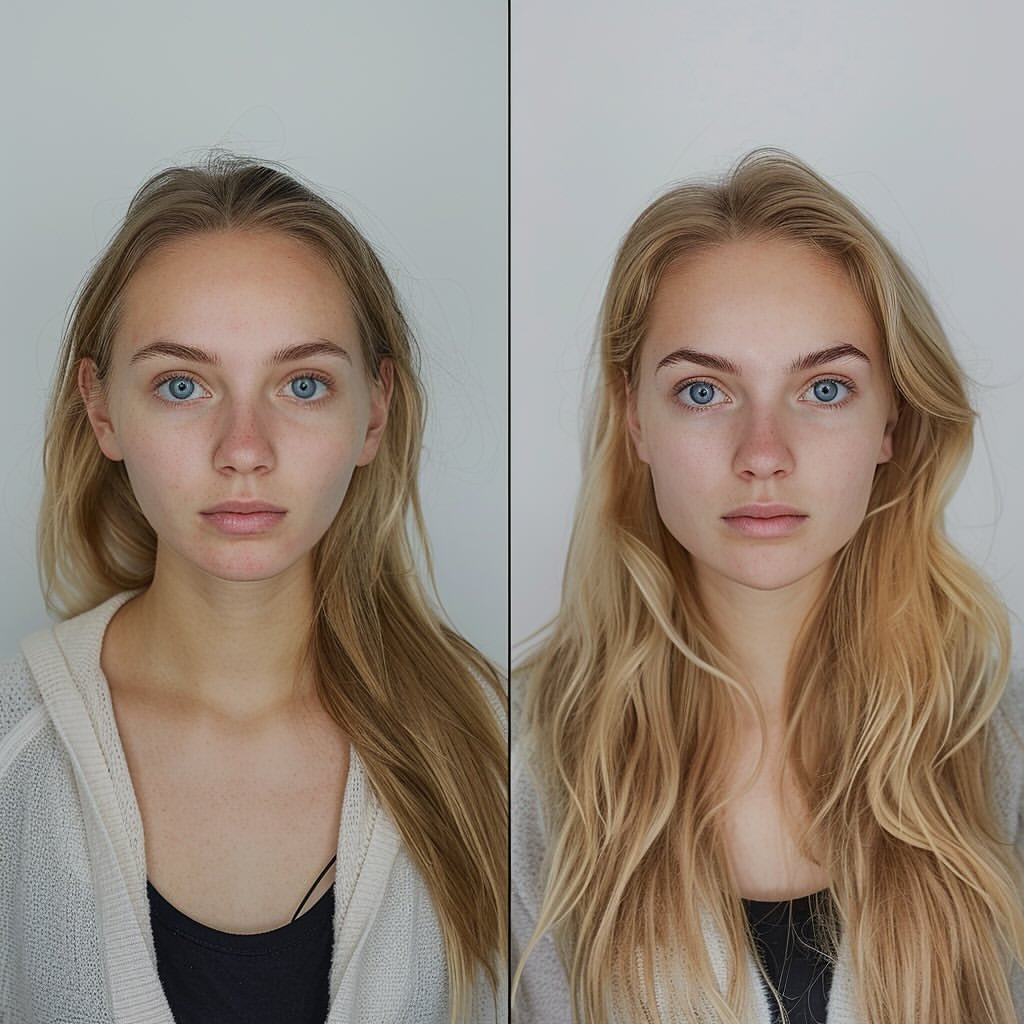

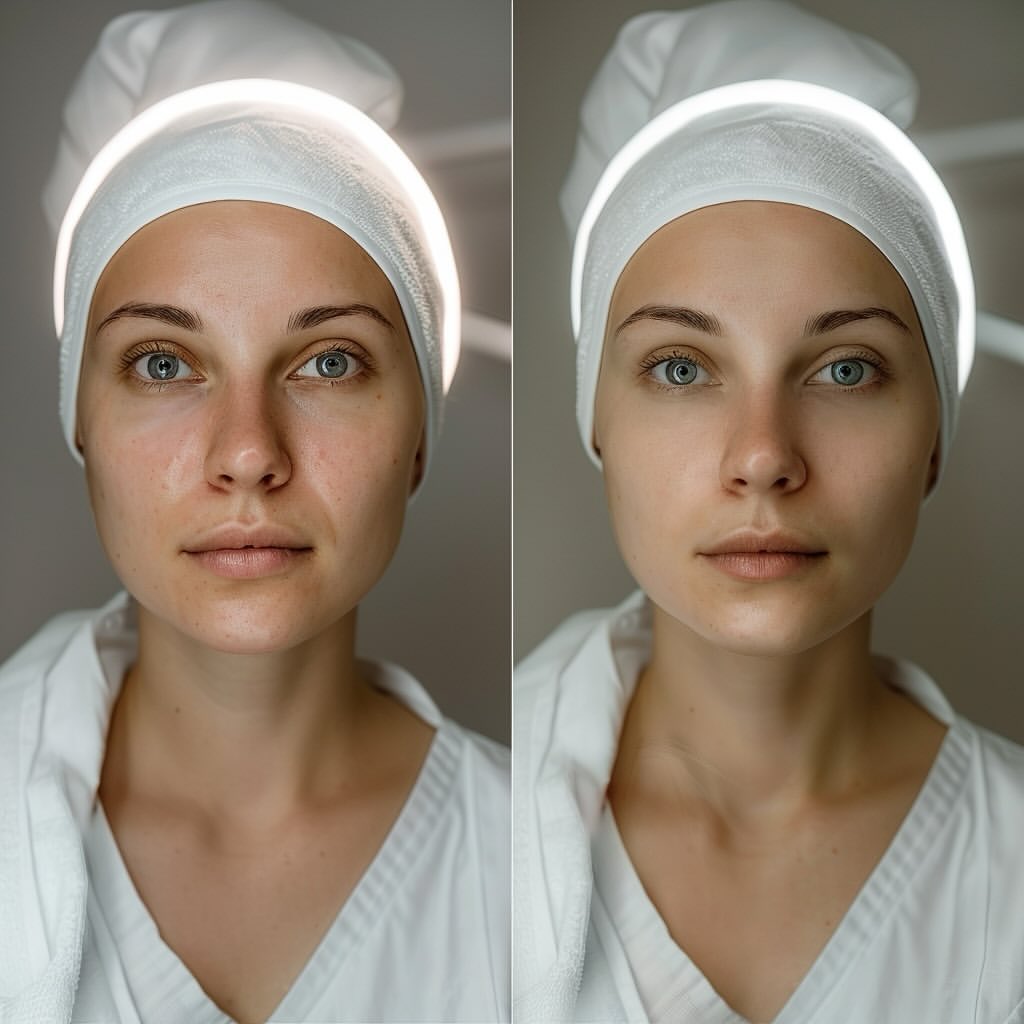
Thousands of satisfied customers
Biological Age Definition and Core Concepts
Your chronological age is simply the number of years since birth. However, a person’s biological age indicates how old their cells and tissues truly are based on physiological health and systemic biomarkers.
Research shows that two individuals of the same chronological age can have vastly different health profiles. While one may experience accelerated aging, the other might maintain longevity and vitality through superior cellular maintenance.
Factors Influencing Rate of Biological Aging
The aging process is not a fixed timeline but a fluid progression. Several external and internal elements contribute to the speed at which your body declines:
- Chronic stress and high cortisol levels
- Environmental toxins and pollutants
- Poor quality or insufficient sleep
- High intake of processed sugars and inflammatory foods
- Sedentary lifestyle habits
Furthermore, lifestyle choices like smoking lead to chemical changes in the body. These stressors disrupt normal function, making you more susceptible to age-related diseases earlier in life.
Role of Genetics and Lifestyle in Longevity
While genetics provide the blueprint, lifestyle factors are the primary drivers of health over time. Epigenetics, the study of how your environment influences gene expression, suggests we have significant control over our vitality.
Healthy habits act as a predictor for a longer life. By making informed choices, you can effectively lower your biological age regardless of your genetic predispositions.
Practical Methods to Determine Biological Age
DNA Methylation and Epigenetic Clocks
The most precise way to estimate biological age is through an epigenetic clock. This method measures DNA methylation, where small molecules called methyl groups attach to DNA to regulate gene activity.
Developed in 2013 by Steve Horvath, the Horvath clock tracks these patterns to determine cellular age. This advancement allows clinicians to see how lifestyle factors are impacting your internal health in real-time.
Telomere Length Analysis
Telomeres are protective caps at the ends of chromosomes that shorten as cells divide. Measuring telomere length provides an estimate of your cellular lifespan and your risk for age-related decline.
Shortened telomeres are often linked to chronic stress and poor nutrition. Tracking these markers helps you understand if your current anti-aging treatments are working effectively to preserve your genetic integrity.
Phenotypic Age Calculations Based on Blood Biomarkers
A standard blood test can also be used to calculate biological age through a method known as PhenoAge. This algorithm assesses systemic function through specific markers:
- Glucose levels and metabolic efficiency
- C-reactive protein (inflammation marker)
- Albumin and alkaline phosphatase (liver/organ health)
- White blood cell count and immune health
This approach offers a practical way to monitor overall health and wellness. Because it relies on accessible clinical data, it serves as a reliable predictor for future health outcomes and cardiovascular stability.
Selecting the Right Biological Age Test Kit
Choosing a biological age test depends on your specific goals and budget. Professional at-home kits typically use saliva or blood samples to provide detailed reports on your epigenetic status.
Test Type | Sample Method | Primary Metric | Best For |
Epigenetic Clock | Saliva / Blood | DNA Methylation | Precision aging data |
Telomere Test | Blood | Chromosome Caps | Cellular lifespan |
Blood Panel | Venous Blood | Metabolic Markers | Overall organ health |
Physical Test | Performance | Functional Capacity | Mobility and fitness |
While some tests cost several hundred dollars, they offer invaluable insights into your longevity. Ensure the test you select is backed by clinical trials and provides actionable data.
Simple Physical Tests for Instant Results
Perceived Facial Age Assessment
Your skin is a visible reflection of your internal health. An aesthetic professional can evaluate wrinkle treatment options, skin elasticity, and pigmentation to provide a surface-level estimate of your biological status.
Advanced imaging technology can now quantify these traits, comparing your skin quality to others in your age group. This assessment often highlights the need for targeted preventative skincare and better hydration.
Standing-on-One-Leg Balance Test
Balance is a powerful indicator of neuromuscular health and longevity. Research suggests that the ability to stand on one leg for over ten seconds is linked to better health outcomes in midlife.
Difficulty with this task may indicate accelerated aging in the brain or musculoskeletal system. Practising balance for just a few minutes a day can strengthen your core and improve long-term stability.
Fitness Age and Aerobic Capacity
Your VO2 max, or maximum oxygen uptake, is a primary measure of cardiovascular health. A high level of aerobic fitness often correlates with a biological age much lower than your chronological one.
You can calculate your fitness age by comparing your performance on standardized exercise tests to global averages. Staying active five days a week is essential for maintaining this vital metric.
Hearing-the-High-Notes Auditory Test
Age-related hearing loss often begins with the inability to perceive high-frequency sounds. Simple auditory tests can determine if your hearing matches your chronological age or indicates premature sensory decline.
Exposure to loud environments and poor vascular health can damage the inner ear. Protecting your hearing is a crucial step in maintaining cognitive function as you get older.

Scientific Accuracy of Biological Age Test Methods
Interpreting Laboratory Biological Age Test Results
Laboratory results provide a complex snapshot of your physiology. When you receive your report, focus on the “age gap”—the difference between your actual years and your calculated biological score.
A lower biological age suggests your healthy habits are providing a protective effect. If your score is higher, it serves as a wake-up call to start implementing more rigorous health strategies immediately.
Scientific Validity and Clinical Limitations
While biological age measures are highly informative, they are not absolute certainties. Understanding the context of your results is essential for accurate interpretation:
- Recent illnesses like Covid can spike inflammation
- High acute stress can temporarily alter biomarkers
- Tests may vary slightly between different laboratories
- Results should be viewed as trends rather than static data
It is important to view these results as a guide rather than a final diagnosis. Consult with an aesthetic or longevity specialist to integrate these findings into a broader preventative health plan.
Collecting Samples for Advanced Testing
Modern testing is designed for convenience, often requiring only a simple finger-prick blood sample or a saliva swab. Following the instructions precisely ensures the highest level of accuracy for your epigenetic analysis.
Always collect your sample in a fasted state if required, as recent meals can alter certain biomarkers. Proper collection is the first step toward obtaining a clear picture of your cellular health.
Strategies to Reverse Biological Age
Nutrition and Diets to Reverse Cellular Aging
Dietary choices significantly impact gene expression. Consuming a diet rich in polyphenols and antioxidants can help reverse biological age by reducing oxidative stress and inflammation at the cellular level.
Focus on whole foods that support DNA repair and metabolic efficiency. Reducing processed sugars and refined carbohydrates prevents the glycation process that causes visible skin aging and internal damage.
Impact of Stress Management on Aging Results
Chronic stress accelerates the aging process by flooding the body with cortisol. Over time, this hormonal imbalance damages tissues and shortens telomeres, making you look and feel older than you are.
Implementing daily meditation or deep breathing exercises can disrupt this cycle. Effective stress management is one of the most powerful ways to measure improvement in your overall health and wellness.
Effectiveness of Anti-Aging Treatments and Supplements
Professional anti-aging treatments, such as anti-aging IV therapy or targeted supplementation, can support cellular rejuvenation. These interventions work to restore the skin’s structural integrity and improve mitochondrial function internally.
Specific supplements are often recommended to support these clinical goals:
- NMN for boosting NAD+ levels
- Resveratrol for sirtuin activation
- Omega-3 fatty acids for heart and brain health
- Vitamin D for immune and bone support
When combined with professional clinical care, these tools offer a comprehensive approach to longevity.
Exercise Routines to Reverse Physical Decline
Strength training and high-intensity interval training are essential for maintaining muscle mass and metabolic health. These activities stimulate the production of growth hormones that help repair and renew the body.
Consistent physical activity is proven to lower your biological age by improving cardiovascular efficiency. Aim for a mix of resistance and aerobic work to ensure total body vitality.
Future of Personalized Longevity Planning
Emerging Technologies in Biological Age Testing
The field of longevity science is evolving rapidly, with new “multi-omic” tests on the horizon. These will combine genetics, proteins, and metabolites to provide an even more granular view of aging.
These cutting-edge tools will allow for highly specific health interventions. By understanding your unique biological signatures, you can tailor your lifestyle to maximize your years of peak health.
Personalized Medicine and Cellular Repair
Personalized medicine uses your biological age data to create bespoke wellness plans. Rather than a one-size-fits-all approach, treatments are adjusted based on your specific rate of cellular decline.
The benefits of this customized approach include:
- Optimized supplement dosages based on real deficiency
- Tailored skin treatments for specific aging markers
- Precise hormonal balancing
- Data-driven fitness recommendations
This ensures that every clinical treatment you undergo is optimized for your body. This level of precision is the future of maintaining a youthful appearance and internal health.
Impact of Sleep and Recovery on Future Health
Sleep is the time when your body performs essential cellular repair and detoxification. Lack of quality rest is a primary driver of accelerated aging and cognitive decline in your 30s and beyond.
Prioritizing seven to nine hours of restorative sleep each night is non-negotiable for longevity. Quality recovery ensures your body can effectively process the positive changes you make during the day.

Frequently Asked Questions
Can You Successfully Reverse Biological Age?
Yes, clinical evidence suggests that targeted lifestyle changes can significantly lower your biological age over time. By improving nutrition, increasing physical activity, and managing stress, you can alter the chemical markers on your DNA. Consistent effort leads to measurable improvements in cellular health, effectively turning back your internal clock.
How Often Should You Take a Biological Age Test?
Most longevity experts recommend taking a biological age test once or twice per year. Testing every six to twelve months allows you to track the effectiveness of your health interventions and anti-aging treatments. Frequent monitoring provides a real-time feedback loop, helping you stay motivated and adjust your strategies.
What Is the Best Time of Day to Perform Physical Aging Tests?
For physical tests like balance or fitness assessments, the late morning is generally ideal. Your body is fully awake, and your muscles are warm, providing the most accurate reflection of your capabilities. Avoid testing immediately after a heavy meal or intense exercise, as these factors can skew your results.
Does Short-Term Illness Affect Biological Age Test Accuracy?
Short-term illnesses, such as a cold or a minor infection, can temporarily cause accelerated aging markers. Inflammation levels often spike when the immune system is active, potentially altering your blood or epigenetic results. It is best to wait at least two weeks after full recovery before performing a test.