
How Long Bruises Last After Lip Fillers
Bruising after lip filler treatment is a common concern for patients considering lip enhancement. Whilst the prospect of visible bruises may feel daunting, understanding what to expect can help you prepare effectively and manage your recovery with confidence. This comprehensive guide explores the duration of lip filler bruising, why it occurs, and evidence-based strategies to minimise discolouration and accelerate healing.

Thousands of satisfied customers
Is Bruising Normal After Lip Filler Treatment
Bruising following lip filler injections is a perfectly normal part of the healing process. The lip area contains numerous blood vessels, and when a needle enters the lip tissue during dermal filler procedures, minor vascular trauma may occur. Clinical observations suggest that approximately 24% of patients experience some degree of bruising after receiving lip fillers, though this varies based on individual factors and technique.
Normal Appearance vs. Concerning Signs
Understanding the difference between expected bruising and potential complications is essential for proper lip filler aftercare. Normal bruising typically appears as:
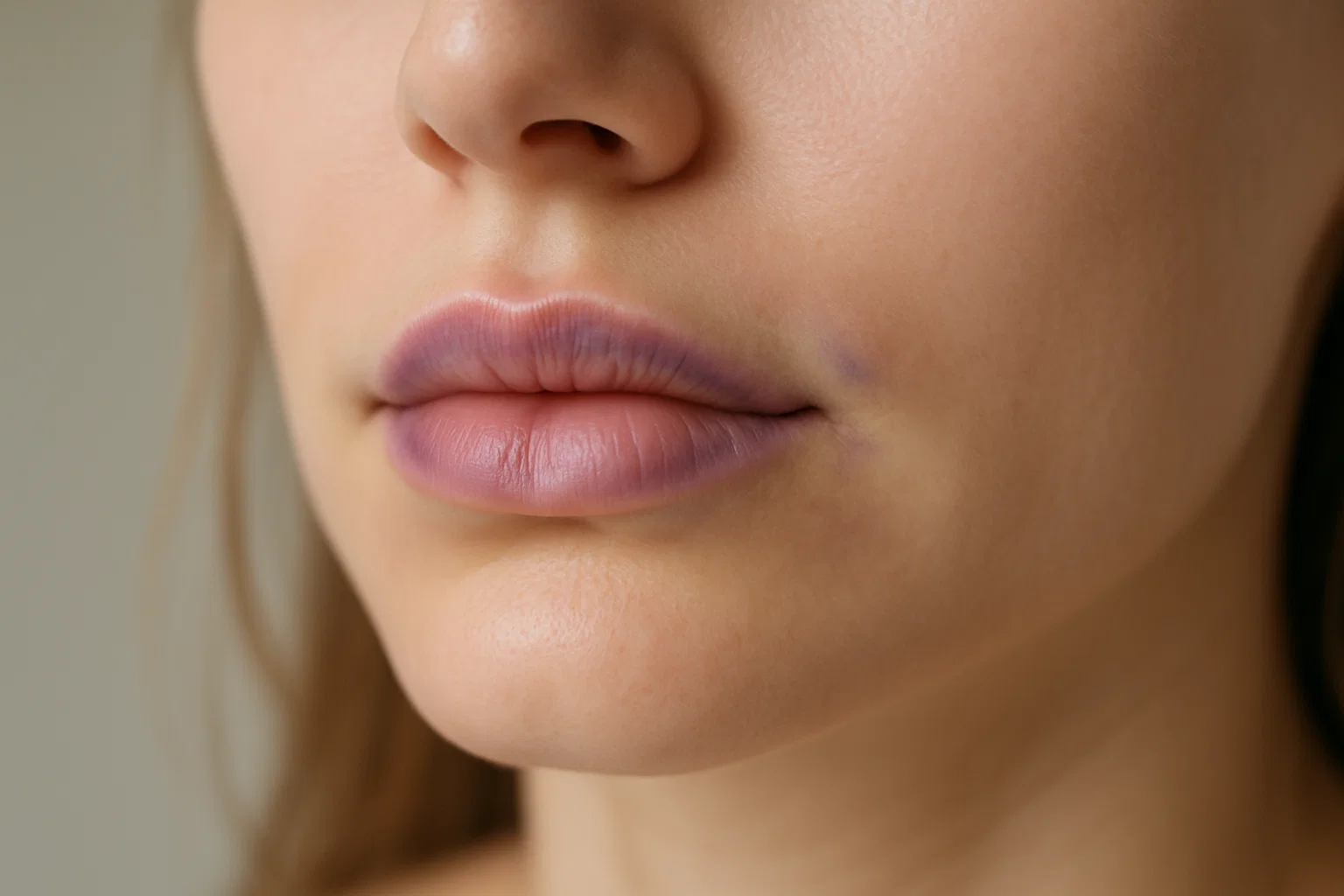
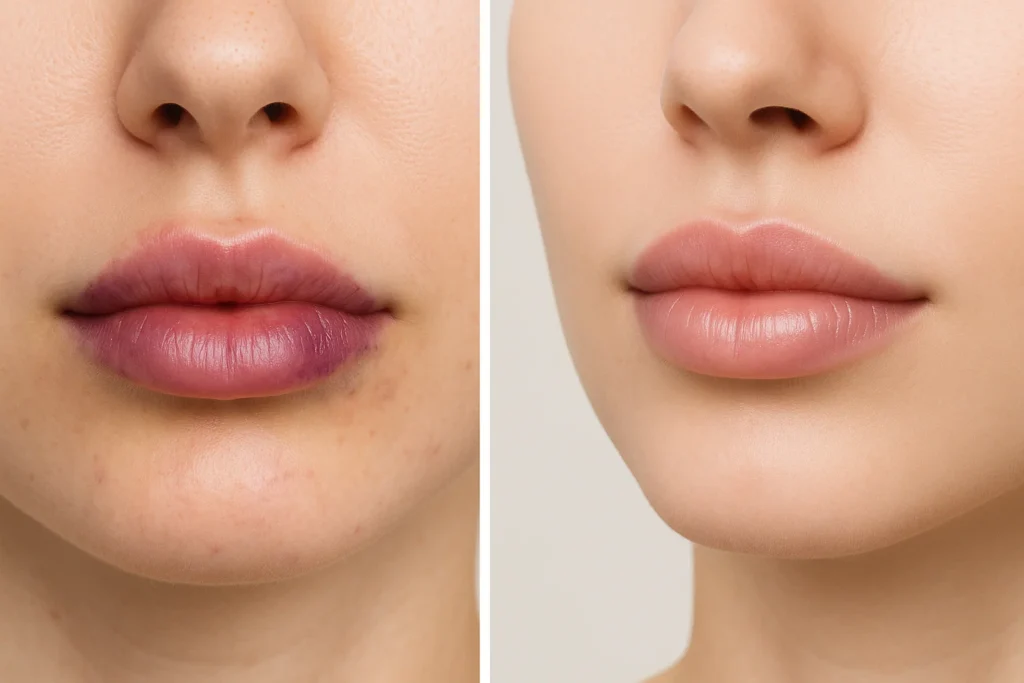
- Colour progression: Dark purple or blue initially, transitioning to green, yellow, and brown as it heals
- Localised appearance: Confined to the injection sites and surrounding lip area
- Gradual fading: Noticeable improvement within 3-5 days
- Mild tenderness: Some discomfort when touching the affected area
However, certain symptoms warrant immediate medical attention:
- Severe, worsening pain beyond 48 hours
- Blanching (white discolouration) of the lip tissue
- Extreme swelling that restricts breathing or eating
- Signs of infection such as fever, excessive warmth, or pus
- Asymmetrical results that don’t improve after initial swelling subsides
If you notice any concerning signs, contact your practitioner without delay. Early intervention can prevent serious complications and ensure optimal outcomes from your lip filler treatment.
What Causes Bruising After Lip Filler Injections
Several factors contribute to bruising from lip fillers. The primary cause is the disruption of blood vessels in the lip area during the injection process. Even when performed by a skilled injector using precise techniques, the needle may contact small capillaries, causing blood to leak into surrounding tissue.
Additional factors that may heighten the risk of bruising include:
- Anatomical considerations: The lips contain a dense network of blood vessels, making them naturally prone to bruising compared to other treatment areas
- Individual vascular fragility: Some patients have more delicate blood vessels that bruise more easily
- Blood-thinning substances: Medications or supplements that affect clotting can increase bruising risk
- Injection technique: The approach, needle type, and depth of injection influence trauma to surrounding tissue
- Type of dermal filler used: Whilst all hyaluronic acid fillers carry similar risks, the viscosity and injection method can vary
- Patient movement: Sudden movements during the lip filler procedure may cause additional trauma
Understanding these factors helps explain why some patients experience minimal bruising whilst others may develop more noticeable discolouration, even when receiving identical treatment.
How Long Does Lip Filler Bruising Last After Lip Fillers
The duration of bruising varies considerably between individuals, but most patients find that bruises last after lip fillers for approximately 5-10 days. Research suggests that minor bruising typically resolves within one week, whilst more extensive discolouration may persist for up to two weeks. Rarely, residual swelling and bruising may remain visible for three weeks, particularly in patients with slower healing processes or those prone to it.
Lip Bruising Healing Timeline Day by Day
Understanding the typical progression of bruising can help set realistic expectations:
Days 1-2: Bruising appears most prominent, often dark purple or blue in colour. The lip filler swelling is typically at its peak during this period, which may make bruising appear more dramatic. You may experience tenderness and slight throbbing at injection sites.
Days 3-4: It begins to fade and may transition to a green or yellowish hue as the body breaks down haemoglobin. Swelling starts to subside noticeably, allowing you to better assess the filler results. This marks the beginning of visible improvement in swelling and bruising.
Days 5-7: Most patients see significant improvement in swelling and bruising during this period. Discolouration continues to lighten, often appearing yellow or light brown. The bruising is a normal part of the healing process and should not cause alarm at this stage.
Days 8-10: For the majority of patients, bruises have resolved entirely or are barely noticeable. Any remaining discolouration is typically minimal and easily concealed with makeup. Final lip volume and shape become more apparent as residual swelling diminishes.
Beyond 10 days: If bruising persists beyond this timeframe, it’s generally still within the normal healing range, particularly for those with fair skin or who bruise easily. However, if you experience symptoms to last beyond two weeks with no improvement, consult your practitioner.
Factors Affecting Bruising Duration After Lip Enhancement
Several variables influence how long lip filler bruising lasts:
Age: Older patients may experience longer-lasting bruises due to changes in skin elasticity and vascular integrity. Clinical studies suggest that healing processes slow with advancing age.
Skin type and tone: Fair skin may show bruising more prominently, whilst darker skin tones may display less visible discolouration. However, healing times are generally consistent across skin types.
Overall health: Patients with robust immune systems and good circulation typically recover more quickly. Conditions affecting blood clotting or circulation may extend bruising duration.
Aftercare compliance: Following proper lip filler aftercare tips significantly impacts recovery speed. Patients who avoid blood-thinning substances and follow post-treatment guidelines often experience shorter periods.
Lifestyle factors: Smoking can impair circulation and delay healing, whilst adequate hydration and nutrition support tissue repair. Alcohol consumption immediately after treatment may exacerbate bruising.
Extent of treatment: More extensive lip augmentation requiring multiple injection points may result in more widespread bruising that takes longer to resolve.
Lip Filler Swelling Stages
Swelling follows a predictable pattern that often accompanies bruising:
Immediate swelling (0-24 hours): The lips appear noticeably enlarged, sometimes dramatically so. This initial swelling is the body’s inflammatory response to the lip filler injections and is entirely normal.
Peak swelling (24-48 hours): Lip filler swelling typically reaches its maximum during this period. Your lips may feel tight, firm, and somewhat uncomfortable. This is when assessing your final results is most difficult.
Gradual reduction (days 3-5): Noticeable improvement occurs as inflammation subsides. The lip volume begins to settle into a more natural appearance, allowing you to preview your results.
Continued refinement (days 6-14): Subtle swelling decreases, revealing the true outcome of your lip filler treatment. Most patients consider themselves “socially presentable” by day seven.
Final results (2-4 weeks): All swelling has resolved, and the filler has integrated fully with lip tissue. This is when you can accurately evaluate your lip enhancement results.
Prevent Bruising Before Lip Filler Appointment
Taking preventative measures before your lip filler procedure can significantly reduce the risk of bruising and swelling. Strategic preparation minimises trauma to blood vessels and optimises your body’s healing response.
Medications and Supplements to Avoid Before Filler Procedures
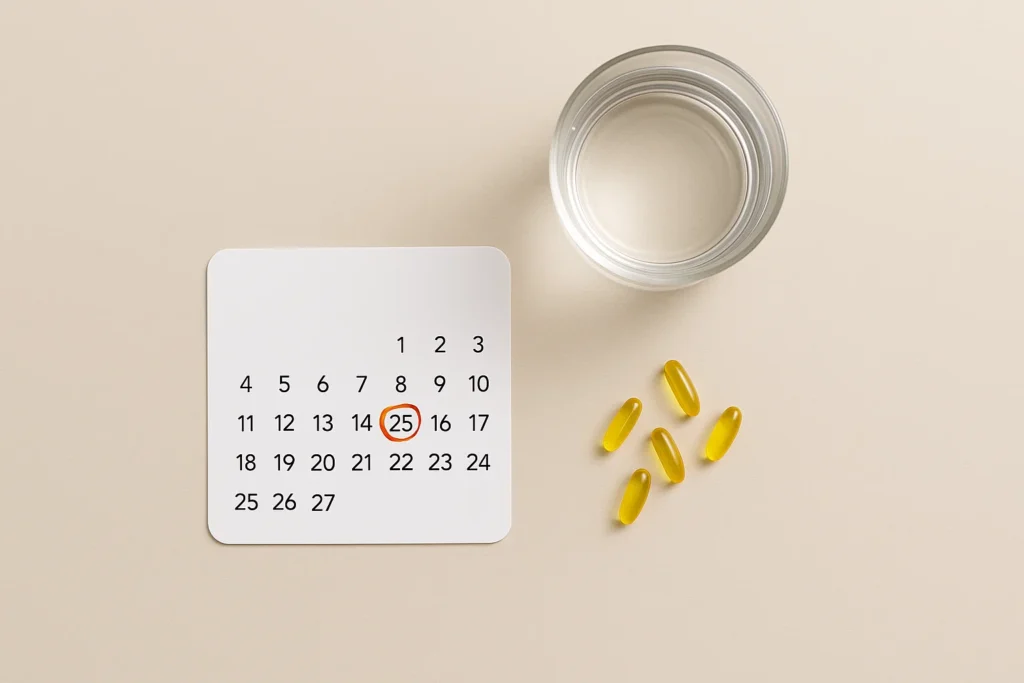
Certain substances increase your chances of bruising by affecting blood clotting or platelet function. To minimize it, discontinue the following at least 7-10 days before your lip filler appointment (always consult your doctor before stopping prescribed medications):
Anti-inflammatory medications:
- Aspirin and aspirin-containing compounds
- Ibuprofen (Nurofen, Advil)
- Naproxen (Aleve)
- Other NSAIDs (non-steroidal anti-inflammatory drugs)
Supplements and herbal remedies:
- Vitamin E in high doses
- Fish oil and omega-3 supplements
- Ginkgo biloba
- Garlic supplements
- Ginseng
- St. John’s Wort
- Turmeric and curcumin supplements
Other substances:
- Alcohol (avoid for 24-48 hours before treatment)
- Excessive caffeine (may increase blood pressure)
If you take blood-thinning medication such as warfarin or clopidogrel for medical reasons, discuss your options with both your prescribing doctor and your aesthetic practitioner. Never discontinue prescribed anticoagulants without medical supervision.
Pre-Appointment Preparation Tips for Minimal Bruising
Beyond avoiding certain substances, several strategies may help reduce bruising:
Arnica montana: Begin taking arnica supplements 2-3 days before your appointment. Some clinical evidence suggests arnica may help reduce bruising and inflammation, though results vary between individuals. Arnica is available in oral tablets or topical gel formulations.
Optimise nutrition: Ensure adequate vitamin C and vitamin K intake, as these nutrients support blood vessel health and clotting function. Consider incorporating leafy greens, citrus fruits, and berries into your diet in the week preceding treatment.
Stay hydrated: Well-hydrated tissue is more resilient and may recover more quickly. Aim for at least 2 litres of water daily in the days before your lip filler treatment.
Schedule strategically: If possible, arrange your appointment when you can afford 5-7 days of social downtime. Avoid scheduling immediately before important events where visible bruising would be problematic.
Manage expectations: Understand that some degree of bruising and swelling after lip filler is a common side effect that cannot always be prevented, regardless of precautions taken.
Arrive with clean skin: Come to your appointment with bare lips, free from makeup, lipstick, or lip balm. This allows for thorough cleansing and reduces infection risk.
Choosing a Skilled Injector for Lip Filler Treatment
The expertise of your practitioner significantly influences your risk of bruising. An experienced injector understands lip anatomy intimately and employs techniques that minimize the risk of bruising and swelling.
Qualifications to seek:
- Medical professionals (doctors, dentists, or registered nurses) with specific training in aesthetic injectables
- Extensive experience specifically with lip filler procedures
- Membership in professional organisations such as the British College of Aesthetic Medicine (BCAM)
- Portfolio of before-and-after photos demonstrating consistent, natural results
Technique matters: Skilled injectors use methods that reduce trauma, such as:
- Cannulas (blunt-tipped needles) that navigate around blood vessels rather than puncturing them
- Precise injection depths that avoid unnecessary tissue trauma
- Aspiration techniques to avoid injecting directly into blood vessels
- Understanding of lip anatomy to target optimal injection planes
Consultation quality: A thorough consultation where your practitioner discusses risks, reviews your medical history, and sets realistic expectations indicates a professional approach that prioritises patient safety.
Investing time in selecting the right practitioner for your lip filler treatment is one of the most effective ways to minimize bruising and achieve satisfying results.
Reduce Bruising Post Lip Filler Procedure
Once it has occurred, several evidence-based strategies can help reduce swelling and bruising, accelerating your recovery from lip filler treatment.
Immediate Lip Filler Aftercare Tips for Bruising
The first 24-48 hours after getting lip fillers are crucial for minimising complications and supporting healing:
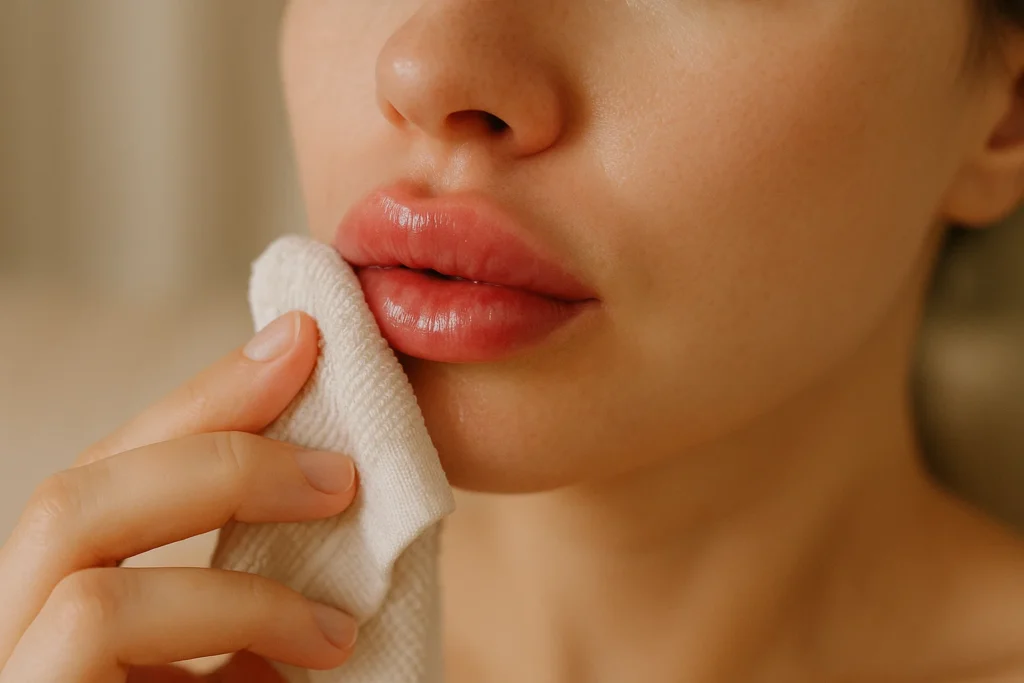
Apply cold compresses: Ice packs wrapped in a clean cloth can help reduce swelling and may constrict blood vessels to limit bruise spread. Apply for 10-15 minutes every hour during the first day. Ensure the compress is not too cold to avoid damaging lip tissue.
Keep your head elevated: Sleep with your head raised on pillows for the first two nights. This position reduces blood flow to the treated area and may help reduce bruising and swelling.
Avoid heat exposure: Hot showers, saunas, steam rooms, and vigorous exercise increase blood flow and can make bruising worse. Maintain cool to lukewarm temperatures for at least 48 hours after your lip filler procedure.
Stay hydrated: Drinking plenty of water supports your body’s healing processes and helps the hyaluronic acid fillers integrate optimally with lip tissue.
Take arnica: Continue arnica supplementation for several days post-treatment. Some patients also apply topical arnica gel directly to bruised areas (avoid open wounds).
Avoid touching or pressing: Resist the urge to touch, massage, or apply pressure to your lips, as manipulation can worsen bruising and potentially displace the filler. Let the treated area rest undisturbed.
Effective Home Remedies Reduce Bruising
Several accessible remedies may help reduce bruising and promote faster healing:
Bromelain supplements: This enzyme derived from pineapple has anti-inflammatory properties. Research suggests bromelain may help reduce bruising and swelling when taken shortly after injury or trauma. Follow dosage recommendations on the product label.
Vitamin K cream: Topical vitamin K may help the body reabsorb blood that has leaked into tissue. Some studies indicate it can accelerate bruise resolution when applied twice daily to affected areas.
Aloe vera gel: Known for its soothing and anti-inflammatory properties, pure aloe vera gel may provide comfort and potentially support healing when applied gently to bruised areas.
Adequate sleep: Rest is essential for healing. Aim for 7-9 hours of quality sleep each night during your recovery period. Sleep deprivation can impair immune function and slow tissue repair.
Gentle lymphatic massage: After 48 hours, extremely gentle upward strokes away from the bruised area may help drain accumulated fluid and blood. Use minimal pressure and stop if you experience pain. Always consult your practitioner before attempting any massage.
Witch hazel: This natural astringent may help reduce inflammation when applied with a cotton pad. Ensure it’s alcohol-free to avoid irritating treated skin.
Whilst these remedies are generally safe, individual responses vary. If you experience any adverse reactions, discontinue use and consult your practitioner.
What Not to Do While Healing Bruising After Lip Filler Treatment
Certain activities and substances can increase bruising or impede healing:
Avoid alcohol: Drinking alcohol after treatment dilates blood vessels and may exacerbate bruising. It also impairs immune function, potentially slowing recovery. Abstain for at least 48-72 hours post-treatment.
Skip strenuous exercise: Vigorous physical activity increases blood pressure and circulation, which can increase your chances of bruising and prolong recovery. Avoid intense workouts for 24-48 hours, then gradually resume activity as tolerated.
Don’t apply excessive pressure: Avoid activities that put pressure on your lips, including aggressive kissing, dental procedures, or facial treatments. Pressure can worsen bruising and may displace filler.
Limit sun exposure: UV radiation can increase inflammation and potentially darken bruises. Protect your lips with SPF lip balm when outdoors during the healing period.
Avoid blood-thinning substances: Continue avoiding aspirin, NSAIDs, and alcohol until bruising has resolved. These substances may prolong bleeding and extend bruise duration.
Don’t smoke: Smoking constricts blood vessels and impairs oxygen delivery to healing tissue. If you smoke, this is an excellent opportunity to reduce or quit, as smoking also accelerates facial ageing and can compromise filler longevity.
Resist picking or peeling: If you develop any minor scabbing around injection sites, allow it to heal naturally. Picking can introduce infection and may cause scarring.
Swelling and Bruising After Lip Filler
Understanding the relationship between swelling and bruising helps patients navigate the recovery process with realistic expectations.
Common Symptoms
It’s normal to experience some bruising and swelling after lip fillers. Common symptoms include:
Physical changes:
- Visible enlargement of the lips, sometimes asymmetrically in the first 24-48 hours
- Discolouration ranging from dark purple to yellow as healing progresses
- Tenderness when touching the treated area
- Slight firmness or lumpiness that resolves as filler settles
- Tightness or a “full” sensation in the lips
Functional impacts:
- Mild difficulty with precise lip movements such as drinking from a straw
- Temporary changes in lip sensation (numbness or hypersensitivity)
- Minor discomfort when smiling or speaking
These symptoms are a common side effect of lip filler injections and typically resolve within 5-10 days. The severity varies based on individual factors, injection technique, and the amount of filler used.
How Long Does Lip Filler Swelling Last
Lip filler swelling follows a predictable timeline. Most patients experience the following progression:
Immediate to 48 hours: Maximum swelling occurs. Your lips may appear considerably larger than your desired final result. This dramatic initial swelling can be alarming, but it’s a normal part of the healing process.
Days 3-5: Noticeable improvement as acute inflammation subsides. You’ll begin to see the shape and volume that more closely resemble your final results.
One week: Most swelling has resolved for the majority of patients. Residual mild swelling may persist but is usually only noticeable to you.
Two weeks: Approximately 90% of swelling has diminished. Your results are nearly finalized, though subtle refinement continues.
Four weeks: Complete integration of the hyaluronic acid fillers with lip tissue. Any remaining microscopic swelling has resolved, revealing your true results from the lip enhancement.
Factors that may extend swelling duration include the amount of filler injected, individual healing rates, and adherence to lip filler aftercare guidelines.
Tips to Reduce Swelling and Bruising
Combining multiple strategies often yields the best results for minimizing bruising and swelling:
- Cold therapy: Apply ice packs intermittently during the first 24 hours
- Elevation: Keep your head raised, especially during sleep
- Hydration: Drink ample water to support healing
- Arnica: Use both oral and topical formulations as directed
- Anti-inflammatory diet: Consume foods rich in antioxidants, such as berries, leafy greens, and omega-3 fatty acids (from food sources, not supplements initially)
- Gentle care: Avoid aggressive facial movements and lip manipulation
- Patience: Allow time for natural healing processes to work
Many patients find that bruises after lip fillers respond well to this comprehensive approach, with noticeable improvement in swelling and bruising within the first week.
Safe Makeup Tips Cover Bruises
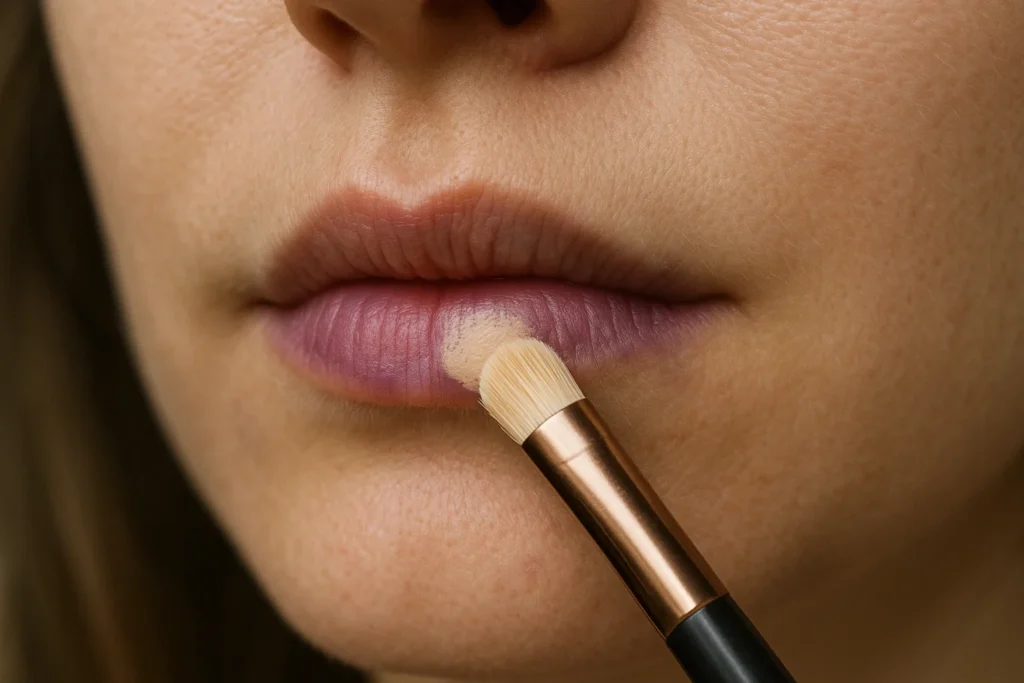
Whilst healing, you may wish to conceal visible bruising for social or professional reasons. Strategic makeup application can effectively minimize the appearance of bruises without interfering with recovery.
Color Correcting Concealers for Lip Bruising
Understanding colour theory helps neutralize different bruise stages:
Purple and blue bruises (early stage): Use yellow or peach-toned correctors. These warm shades counteract cool-toned discolouration. For deeper skin tones, orange correctors work more effectively.
Green bruises (mid-healing): Apply red or pink-toned correctors. This seems counterintuitive, but red neutralizes green on the colour wheel.
Yellow bruises (late stage): Use purple or lavender correctors to cancel out yellow tones.
Product selection: Choose creamy, hydrating formulations that won’t dry or irritate healing skin. Avoid products containing harsh chemicals or fragrances. Wait at least 24 hours after your lip filler procedure before applying any makeup to ensure injection sites have sealed properly.
Step-by-Step Application Technique
Follow this method to effectively cover bruises while protecting healing lip tissue:
- Cleanse gently: Use a mild, non-irritating cleanser to remove oils and debris. Pat dry with a clean towel.
- Apply moisturiser: Use a hydrating, fragrance-free lip balm or moisturiser as a base. This protects healing skin and creates a smooth canvas.
- Color correct: Apply your chosen corrector directly to discoloured areas using a small brush or clean fingertip. Use gentle patting motions rather than rubbing. Build coverage gradually in thin layers.
- Conceal: Once the corrector has neutralized the bruise colour, apply a concealer that matches your natural lip tone. Again, use patting motions and build coverage as needed.
- Set carefully: Lightly dust with a translucent powder to increase longevity, but use sparingly to avoid a cakey appearance.
- Complete your look: Apply lipstick or gloss if desired, choosing hydrating formulations that won’t irritate treated tissue.
Important considerations: Always use clean brushes or applicators to prevent introducing bacteria to healing injection sites. Remove makeup thoroughly but gently each evening using a mild cleanser or micellar water.
Balancing Rest of Look
When covering lip bruising, a balanced makeup approach draws attention elsewhere:
Emphasise eyes: Well-defined brows and subtle eye makeup shift focus upward. Avoid overly dramatic looks that might draw scrutiny to your overall appearance.
Natural finish: A fresh, natural makeup aesthetic looks most harmonious when your lips are subtly concealed. Heavy, full-coverage makeup on the entire face can appear mask-like.
Soft definition: If you typically wear bold lip colours, temporarily opt for nude or neutral shades that require less precision and are more forgiving of textural irregularities during healing.
Confidence: Remember that most people won’t notice minor bruising as much as you might perceive. Many patients find they’re more self-conscious than necessary about their appearance during recovery.
FAQ
What Day Is Bruising the Worst?
Bruising typically appears most prominent on days 1-2 after your lip filler treatment. During this period, the discolouration is darkest (often dark purple or blue) and swelling peaks, which can make bruises more noticeable. From day 3 onwards, you should observe the bruising begins to fade as your body breaks down the accumulated blood and healing progresses. Most patients report that whilst day 2 represents the visual peak, any associated tenderness or discomfort usually subsides quickly thereafter.
Will Bruising Affect Filler Results?
No, bruising does not affect the final results from your lip enhancement. Bruises are superficial and occur in the skin and soft tissue surrounding the injected filler. The dermal filler itself remains in the correct anatomical plane and will integrate with your lip tissue regardless of surface bruising. Once the bruising has completely resolved, you’ll be able to accurately assess your lip volume and shape. The presence of bruises may temporarily obscure your results, but it doesn’t compromise the longevity or appearance of the filler itself.
Can Exercise With Lip Filler Bruising?
You should avoid strenuous exercise for at least 24-48 hours after getting lip fillers, regardless of whether bruising is present. Vigorous physical activity increases blood pressure and circulation, which can increase bruising and prolong swelling. Once 48 hours have passed, you may gradually resume light activity if you feel comfortable. However, if you have noticeable bruising, continuing to avoid intense workouts for a few additional days may help reduce bruising and accelerate healing. Listen to your body and avoid any activities that cause throbbing or increased discomfort in the treated area.
Is Bruise Expected After Lip Filler Procedure?
Bruising after lip filler injections is common but not inevitable. The lip area has an extensive network of blood vessels, making it naturally prone to bruising compared to other facial regions. However, many patients complete their lip filler treatment with minimal to no visible bruising. Whether or not you develop bruises doesn’t indicate anything about the quality of your treatment or your practitioner’s skill—it’s simply a variable response based on anatomy and circumstance. Taking preventative measures can reduce the risk of bruising, but some degree of discolouration should be considered a possible outcome of any filler procedures.