Hirsutism vs Normal Hair: How to Tell the Difference and Manage Excessive Hair in Women
Many women struggle to distinguish between typical body hair and clinical concerns. At our London clinic, we often see patients worried about dark strands appearing in new places. Identifying the difference is the first step toward effective treatment.

Thousands of satisfied customers
Distinguishing Hirsutism vs Normal Hair in Women
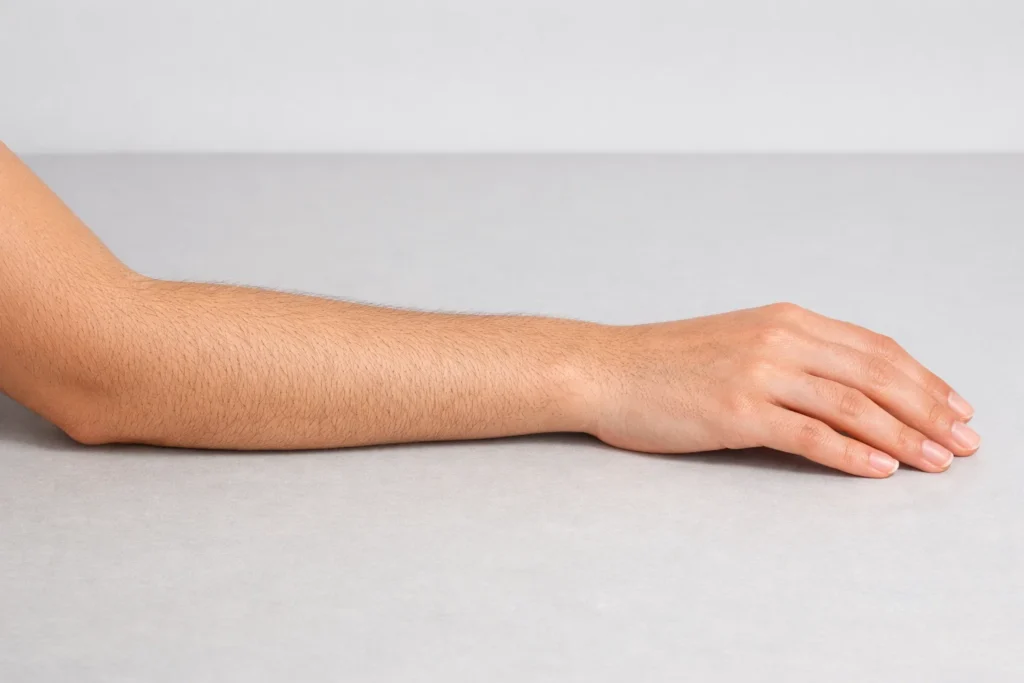
Hair in women typically consists of fine, pale “peach fuzz” known as vellus strands. In contrast, hirsutism involves thick, pigmented terminal coverage. This development appears in areas where men usually grow hair, such as the chin or chest. Understanding the texture is vital.
Hirsutism affects 5 to 10 percent of women of reproductive age. While mild cases may be purely aesthetic, sudden changes often signal an underlying hormonal condition. Monitoring the texture and location of new strands is essential for early diagnosis and intervention.
Quick Comparison Overview
Normal hair is usually soft, light-coloured, and concentrated on the limbs. Hirsutism presents as coarse, dark strands in androgen-dependent zones. If you notice thick follicles on your abdomen or upper lip, it may indicate elevated androgen levels.
Feature | Normal Hair | Hirsutism |
Texture | Soft, fine (vellus) | Coarse, thick (terminal) |
Colour | Pale or translucent | Dark, highly pigmented |
Pattern | Female distribution | Male-pattern distribution |
Key Areas | Arms, legs, scalp | Chin, chest, back, abdomen |
Cause | Genetics, normal hormones | Androgen excess or sensitivity |
Visual Characteristics and Symptoms of Hirsutism
Symptoms of hirsutism often include oily skin and acne alongside texture changes. You may experience a deepening voice or irregular periods if hormone levels shift significantly. These physical markers help clinicians differentiate between simple hair and systemic issues.
Common secondary symptoms include:
- Persistent acne on the jawline
- Increased muscle mass
- Thinning follicles on the scalp
- Irregular menstrual cycles
Hirsutism vs Hypertrichosis Distinctions
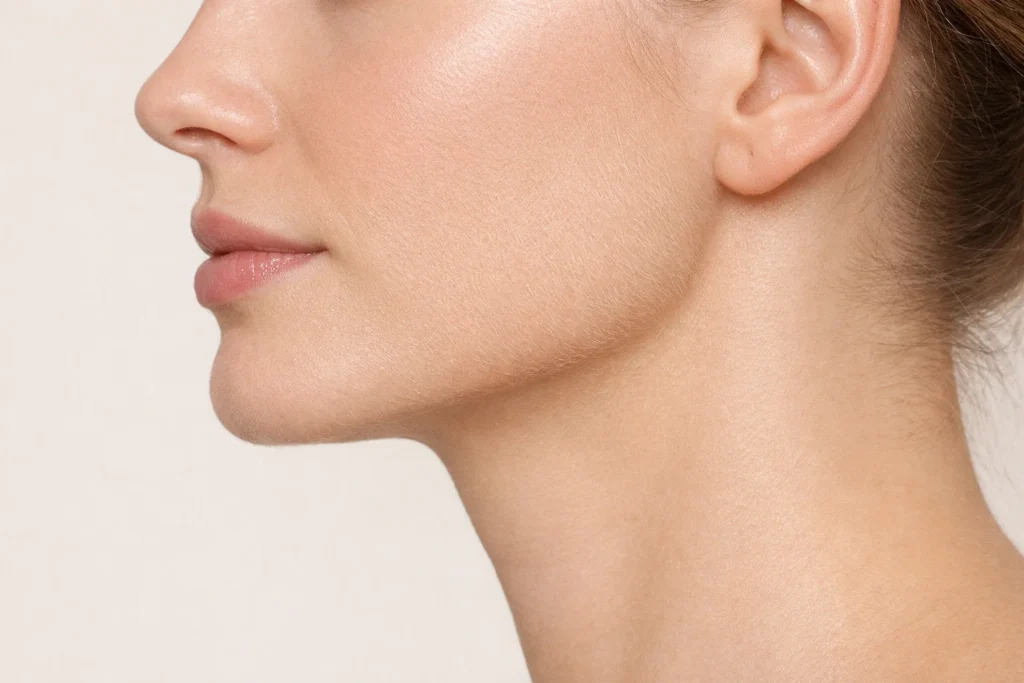
It is vital to separate hirsutism and hypertrichosis to ensure correct care. While hirsutism is driven by androgens, hypertrichosis refers to excessive hair anywhere on the body. This distinction dictates whether you need hormonal therapy or simple removal.
Key Features of Male-Pattern Hair
Hirsutism typically follows a male pattern, affecting the beard area, chest, and back. This happens because the follicle becomes overly sensitive to androgens. Women with hirsutism find these strands are much stiffer than typical body hair.
Defining Hypertrichosis Symptoms
Hypertrichosis involves uniform hair that isn’t restricted to “male” zones. It can be triggered by certain medications or systemic illnesses. Unlike hirsutism, it rarely correlates with menstrual irregularities or polycystic ovary syndrome (PCOS).
Comparison of Distribution and Causes
Hirsutism is almost always linked to endocrine dysfunction of the ovaries and adrenal glands. Hypertrichosis can be congenital or acquired through non-hormonal triggers. Understanding the distribution helps your specialist determine if a hormonal imbalance is present.
Clinical causes usually include:
- Androgen-secreting tumours (rare)
- Use of certain anabolic steroids
- Metabolic syndrome
- Chronic stress impacting adrenal function
Diagnostic Differences for Medical Professionals
Clinicians look for “virilisation” signs when diagnosing hirsutism. These include increased muscle mass or thinning scalp coverage. Hypertrichosis lacks these masculine secondary characteristics, making the diagnostic path significantly different for aesthetic practitioners.
Ferriman-Gallwey Scoring System
The Ferriman-Gallwey scale is the gold standard for clinical assessment. It evaluates hair in nine specific body areas. This structured method allows practitioners to quantify the severity of unwanted strands objectively.
Evaluating Hair Density and Location
Specialists examine areas like the upper lip, chin, chest, and upper back. Each zone receives a score from 0 to 4 based on density. A higher score suggests more significant androgen production or increased follicle sensitivity.
Scoring Thresholds for Diagnosis
A total score of 8 or higher generally indicates hirsutism in most populations. However, thresholds vary; for women of Mediterranean or Middle Eastern descent, a score of 9–10 is common. South Asian women may also require higher thresholds for diagnosis.
Self-Assessment vs Clinical Evaluation
While you can use the chart at home, professional assessment is more reliable. Subtle differences between terminal and vellus strands can be hard to spot. An expert ensures that the final score accurately reflects your clinical status.
Limitations of Scoring Systems
The system doesn’t account for localized removal or prior treatments. It also fails to capture the emotional distress caused by unusual hair. Therefore, we use it as one part of a broader diagnostic framework.
Primary Factors That Cause Hirsutism and Risk Factors
Various conditions may cause hirsutism by disrupting the endocrine system. Identifying the specific cause of hirsutism is crucial for long-term management. Most cases involve a mix of genetics and hormonal triggers.
Polycystic Ovary Syndrome (PCOS) as a Main Cause of Hirsutism
PCOS is a common condition and the leading cause of excess hair. It involves a syndrome where the ovaries produce high androgen levels. Symptoms of PCOS include irregular periods, weight gain, and persistent acne.
Typical PCOS indicators include:
- Multiple cysts visible on ovaries via ultrasound
- Elevated testosterone and androstenedione
- Resistance to insulin
- Difficulty losing weight
Adrenal Gland Disorders and Hormonal Imbalance
Disorders like congenital adrenal hyperplasia can trigger excessive hair in women. These conditions affect how the adrenal gland produces cortisol and androgens. When these levels spike, terminal strands begin to develop in sensitive areas.
Medication Side Effects and Idiopathic Factors
Certain drugs, including anabolic steroids or specific endometriosis treatments, may cause hirsutism. If no hormonal cause is found, it is referred to as idiopathic hirsutism. This means the follicles are simply more sensitive to normal androgen levels.
Genetic and Ethnic Risk Factors
Your ancestry plays a significant role in how you develop hirsutism. Women of Mediterranean, Middle Eastern, and South Asian descent are more likely to develop hirsutism. Genetics often dictate the baseline density of your follicles.

Diagnostic Tests and Medical Evaluation
To treat hirsutism effectively, we must first confirm the root cause. This involves a combination of physical checks and laboratory screening. Our London clinic prioritises a thorough investigative approach for every patient to ensure safety.
Physical Examination Procedures
The doctor will review your Ferriman-Gallwey score and check for other PCOS markers. They will also look for signs of rapid-onset hair, which might suggest more serious issues. This step helps rule out non-hormonal coverage.
Blood Tests for Testosterone and Hormones
We measure free and total testosterone and androstenedione levels in the blood. High levels usually point toward the ovaries or adrenal glands as the source. These tests are best performed during the early morning for accuracy.
The laboratory panel usually covers:
- Total and Free Testosterone
- DHEA-S (Dehydroepiandrosterone sulfate)
- Prolactin levels
- Fasting glucose and insulin
Pelvic Ultrasound and Imaging
If PCOS is suspected, an ultrasound can identify cysts on the ovary. This imaging helps confirm the “polycystic” nature of the syndrome. It is a painless procedure that provides vital information for your treatment plan.
Questions to Ask Healthcare Providers
Ask your specialist if your hair is linked to your cycle. Inquire about the most effective treatment options for your specific skin type. Understanding the timeline for results will help you manage expectations during the process.

Professional Treatment Options to Treat Hirsutism
Managing hirsutism requires a dual approach: addressing the hormones and removing existing strands. Effective treatment often involves a combination of medical therapy and aesthetic interventions. Consistency is key to seeing a reduction in hair.
Prescription Medications and Hormone Management
Oral contraceptives or birth control pills are frequently used to lower androgen levels. They regulate the menstrual cycle and reduce the production of testosterone. Over time, this slows down the rate of new hair growth significantly.
Topical Eflornithine Cream
Eflornithine is a prescription cream that slows hair growth by blocking a specific enzyme. It is particularly useful for facial strands on the chin and upper lip. While it doesn’t remove coverage, it makes other methods more effective.
Oral Spironolactone and Minoxidil Applications
Spironolactone acts as an anti-androgen, preventing hormones from reaching the follicle. It is often prescribed when birth control alone isn’t sufficient. Patients usually see improvements in texture after six months of consistent use.
Dual Agonist GLP-1 and Weight Management
For women with PCOS, weight loss can help reduce insulin resistance. Newer medications like GLP-1 agonists may assist in managing the metabolic symptoms of the syndrome. Lowering insulin levels naturally helps to lower androgen production.
Hair Removal and Lifestyle Treatment Options
Aesthetic treatments provide immediate relief from unwanted strands. These removal techniques are often performed alongside medical therapy for the best results. We offer several advanced options at our central London clinic.
Laser Hair Removal and Electrolysis
Laser removal uses concentrated light to damage the follicle. It is most effective on dark strands and provides long-lasting reduction. Electrolysis is the only permanent removal method and is ideal for grey or light follicles.
Key benefits of clinical removal:
- Permanent reduction of density
- Improved skin texture and less irritation
- Prevention of ingrown strands
- Long-term cost savings compared to waxing
Effective Home Remedies and Shaving Tips
Shaving and waxing are common but temporary removal methods. Shaving is safe and does not make strands grow back thicker, despite popular myths. Waxing provides smoother results but may cause irritation for those with sensitive skin.
Impact of Dietary Changes on Hair Growth
A low-glycemic diet can help balance hormone levels by reducing insulin spikes. Incorporating anti-inflammatory foods may improve the symptoms of hirsutism over time. Nutrition serves as a supportive pillar for medical and laser treatments.
Weight Loss and Insulin Sensitivity
Losing even 5% of body weight can significantly improve hormonal balance in women with PCOS. This reduction in fat helps the body process insulin more efficiently. Consequently, it leads to a noticeable decrease in excessive hair.
Prevention and Long-Term Outlook
While you cannot always prevent hirsutism, you can manage its progression. Early intervention is the best way to stop vellus strands from turning into terminal follicles. Long-term success depends on a holistic health strategy.
Reducing Risk of New Hair Growth
Maintaining a healthy weight and managing stress can help stabilise hormone levels. Regular check-ups allow for early detection of hormonal shifts. Addressing the cause of hirsutism early prevents extensive removal needs later in life.
Expected Results After Starting Treatment
Most medical treatments take three to six months to show visible changes. This is because the hair cycle is slow. You will likely notice that strands become finer and return less frequently over time.
Realistic milestones include:
- Month 1–2: Reduced skin oiliness
- Month 3–4: Slower regrowth after shaving
- Month 6: Thinner follicle diameter
- Month 12: Significant reduction in terminal coverage
Managing Psychological Impact and Wellbeing
Hirsutism isn’t just a physical issue; it often impacts self-esteem. Our clinic provides a supportive environment to help you feel confident again. Professional aesthetic care can significantly improve your quality of life and mental health.
Monitoring Hormonal Health Over Time
Periodic blood tests ensure that your hormone levels remain within the target range. Adjusting your treatment plan as you age or your lifestyle changes is essential. Consistent monitoring ensures that your unwanted hair remains under control.
Frequently Asked Questions
Does sudden hair growth always indicate hormonal imbalance?
Sudden hair growth in women often signals an underlying hormonal shift, such as elevated testosterone or adrenal issues. While genetics play a role, rapid changes warrant medical investigation. Early screening helps determine if the development is idiopathic or linked to a specific condition like PCOS or adrenal dysfunction.
Can certain birth control pills reduce coarse body hair?
Yes, specific birth control pills are designed to lower androgen production in the ovaries. By regulating hormones, these medications slow the transition of fine strands into thick terminal follicles. Clinical studies suggest that consistent use over six months typically results in finer, lighter, and less frequent regrowth.
Why does hirsutism affect facial areas more than limbs?
Facial follicles in women are particularly sensitive to androgens compared to those on the arms or legs. When androgen levels rise, these specific areas switch from producing vellus fuzz to coarse terminal strands. This is why the chin and upper lip are the most common sites for hirsutism.
How long does it take for medical treatments to show visible results?
Visible improvements usually require three to six months because medical therapies only affect new hair cycles. Existing terminal strands must be removed through laser or other methods while the medication works internally. Patience is essential, as hormonal balance takes time to manifest physically on the skin’s surface.
Are there natural supplements that effectively lower androgen levels?
Some clinical studies suggest that supplements like Inositol or Spearmint tea may help reduce androgen levels in women with PCOS. However, these should complement, not replace, professional medical treatment options. Always consult with a specialist before starting supplements to ensure they do not interfere with your prescribed hormonal therapy.