


Key Takeaways For Travelers
Planning to fly after receiving Btx treatment requires careful timing and preparation. Here’s what you need to know:
- Wait 24-48 hours after your btx injection before boarding a flight
- Cabin pressure changes can affect facial tissues and increase swelling
- Stay hydrated throughout your journey to support skin recovery
- Avoid touching or rubbing the injection sites during travel
- Keep your head upright to prevent toxin migration
Recommended Waiting Period
Medical professionals generally recommend waiting 24 to 48 hours after btx injections before you fly. This timeframe allows the toxin to settle properly within the targeted facial muscles. During this critical window, the botulinum toxin binds to nerve endings at the injection site, reducing the risk of migration to unintended areas. Whilst some patients may feel comfortable flying sooner, adhering to this waiting period significantly minimises potential complications and ensures optimal treatment outcomes.
Primary Risks Involved
Flying too soon after receiving btx carries three primary concerns. The toxin may migrate from the injection site to nearby muscles, potentially causing unwanted effects such as drooping eyelids. Cabin pressure changes can exacerbate swelling and bruising around treated areas. Additionally, the extremely dry air in aircraft cabins accelerates dehydration, which impairs skin healing and can intensify side effects.
Quick Tips For Safety
If you must fly after btx treatment, follow these essential guidelines:
- Drink at least 500ml of water every two hours during your flight
- Avoid alcohol consumption for 24 hours before and during travel
- Maintain an upright head position throughout the journey, avoiding leaning forward or resting your face against surfaces
Science Behind Flying Post-Procedure
Understanding how btx works helps explain why flying shortly after treatment poses specific challenges. Btx injections introduce botulinum toxin type A into targeted facial muscles, temporarily blocking nerve signals that cause muscle contractions. This process takes several hours to stabilise, during which the toxin remains somewhat mobile within the tissue. Aircraft cabin environments create conditions that can interfere with this settling process, potentially affecting treatment efficacy and safety.
How Cabin Pressure Affects Facial Tissues
Commercial aircraft maintain cabin pressure equivalent to approximately 1,800-2,400 metres altitude, rather than sea-level conditions. This reduced barometric pressure causes fluid shifts throughout the body, including facial tissues recently treated with btx injections. The pressure differential can expand air pockets within tissues, leading to increased swelling and discomfort in areas where the injection created micro-trauma. Patients who receive botox treatment immediately before flying may notice more pronounced puffiness, particularly around the eyes and forehead.
Effect Of Dry Cabin Air On Skin Recovery
Aircraft cabins typically maintain humidity levels between 10-20%, significantly lower than the 30-65% recommended for optimal skin health. This extreme dryness accelerates water loss, compromising the skin barrier precisely when your facial tissues need moisture to heal properly after btx injections. Dehydrated skin displays more visible bruising and prolonged redness following cosmetic procedures. The combination of reduced humidity and inflammation can make side effects appear more severe during and after air travel.
Oxygen Levels And Healing Process
Cabin air contains approximately 15% oxygen compared to 21% at sea level, resulting in slightly lower blood oxygen saturation during flight. For minor procedures like btx treatment, this effect remains negligible; however, it forms part of the cumulative stress that flying places on recently treated facial tissues.

Risks Associated With Boarding Too Soon
Potential For Toxin Migration
Migration represents the most significant concern when you fly after btx injections. This occurs when the toxin moves from the intended injection site into adjacent muscles, potentially causing effects such as:
- Asymmetrical facial expressions
- Drooping eyelids
- Unintended muscle weakness
Changes in cabin pressure, combined with inadvertent touching or rubbing of the face during travel, can facilitate this movement. Research indicates that the toxin remains most mobile within the first 4-6 hours post-treatment, making early evening flights particularly risky if you receive btx in the morning.
Increased Swelling And Bruising
The needle creates microscopic trauma at each injection point, triggering localised inflammation. At altitude, changes in fluid dynamics exacerbate this natural response. Patients prone to swelling may find their face appears noticeably puffier upon landing, particularly after long-haul flights. Whilst this swelling typically resolves within 24-48 hours, it can cause temporary discomfort and aesthetic concerns.
Impact Of Stress And Elevated Blood Pressure
Airports inherently create stressful situations – rushing through security, managing luggage, navigating unfamiliar terminals. This stress triggers elevated blood pressure and increased heart rate. Higher blood pressure can worsen bleeding at injection sites, intensifying bruising and potentially affecting how the toxin disperses within the muscle. Lifting heavy cabin baggage further raises blood pressure temporarily, adding another risk factor during the critical initial hours after receiving btx.
Comparing Flying After Dermal Filler Vs Btx
Many patients confuse recommendations for flying after botox with guidelines for dermal filler treatments. Whilst both are injectable cosmetic procedures, they present different considerations for air travel.
Structural Differences In Treatments
Botox functions as a neuromodulator, temporarily paralysing targeted facial muscles to reduce wrinkles caused by repetitive expressions. Dermal filler physically adds volume beneath the skin to plump areas and smooth static lines. This fundamental difference affects how each treatment responds to cabin conditions. The toxin in botox injections must remain localised to work effectively, whilst filler material needs to integrate with surrounding tissues without displacement.
Why Fillers Might Pose Different Risks
Hyaluronic acid-based fillers are hydrophilic, meaning they attract and bind water molecules. At altitude, where pressure changes affect fluid distribution, filler may swell more noticeably than tissues treated with botox. Additionally, though rare, vascular complications represent a more serious concern with filler treatments. Most practitioners recommend waiting 48-72 hours before flying after filler injections – slightly longer than the standard botox guideline.
Combined Treatment Considerations
Patients receiving both botox and filler during a single appointment should follow the stricter protocol. Since filler typically requires a longer recovery period before air travel, wait at least 48-72 hours before you fly after combined facial treatments. This conservative approach ensures both the toxin and filler material have adequate time to stabilise.
Best Practices For Flying Safely
Maintaining Upright Posture During Flight
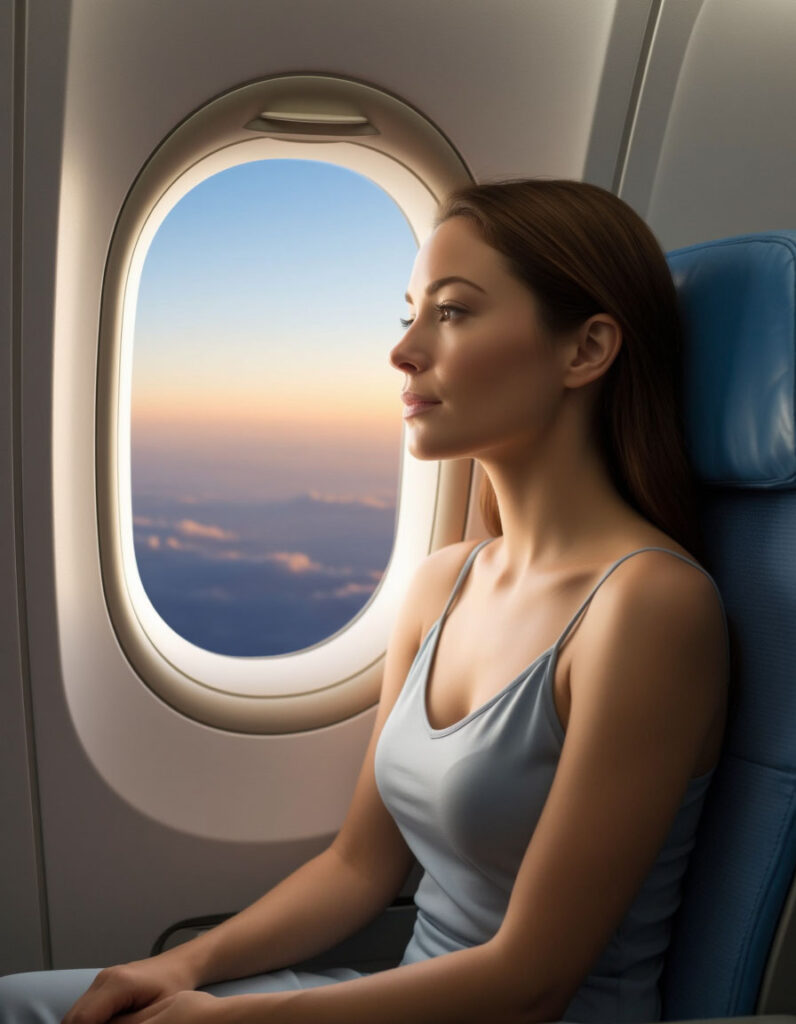
Gravity assists proper toxin settling when you keep your head elevated and upright. Avoid sleeping face-down on tray tables or using travel pillows that push into your cheeks, forehead, or the area around your eyes. These positions create pressure on injection sites, potentially displacing the toxin before it fully binds to nerve endings.
Hydration Strategies Before And During Travel
Begin hydrating several hours before your flight:
- Drink at least 500ml of water every two hours throughout your journey
- Start hydration two hours before boarding
- Avoid caffeinated beverages and alcohol, which accelerate fluid loss
- Bring an empty reusable water bottle through security to refill after checkpoints
This proactive approach counteracts the dehydrating effects of cabin air, supporting optimal skin recovery after your btx injection.
Skincare Routine Without Pressure
Resist the temptation to perform elaborate skincare routines mid-flight if you’ve recently received btx treatment. Rubbing creams or serums into facial skin can inadvertently apply pressure to injection sites, risking toxin displacement. Instead, use a fine facial mist spray to refresh and hydrate your skin without touching treatment areas.
Common Side Effects Vs Emergency Signs
Normal Post-Injection Reactions
Most patients experience mild, temporary side effects after btx injections:
- Slight redness at injection sites (fades within 2-4 hours)
- Small, raised bumps where the needle entered (resolve within 30-60 minutes)
- Mild headache within the first 24 hours (affects 10-15% of patients)
These reactions remain normal even when you fly shortly after treatment, though cabin conditions may make them slightly more noticeable.
Symptoms Requiring Immediate Medical Attention
Certain symptoms warrant urgent evaluation:
- Vision changes – blurred vision, double vision, or drooping eyelids
- Difficulty swallowing or breathing – indicates toxin affecting unintended muscles
- Extreme pain – rather than mild discomfort
- Blanching (whitening) of the skin – could signal vascular complications
If these symptoms develop mid-flight, notify cabin crew immediately and seek medical evaluation upon landing.
Managing Headaches At Altitude
Both btx injections and flying independently can trigger headaches. If you develop a headache after receiving btx treatment whilst travelling, paracetamol provides safe, effective relief without increasing bruising risk. Avoid aspirin and NSAIDs (such as ibuprofen) for the first 24 hours post-treatment, as these medications thin blood and may worsen bruising around injection sites.
Frequently Asked Questions Regarding Travel
Is Short-Haul Safer Than Long-Haul?
Short-haul flights present marginally less risk than long-haul journeys when you fly after btx injections. A 1-2 hour flight exposes facial tissues to less cumulative stress from dry cabin air compared to 8-12 hour international flights. However, pressure changes during takeoff and landing occur regardless of flight duration, meaning both short and long flights carry similar risks during the critical first 24 hours after treatment.
Can I Fly Immediately After Forehead Injections?
Forehead btx represents the most common treatment area and proves particularly susceptible to complications when combined with immediate air travel. The frontalis muscle sits directly beneath relatively thin skin, making toxin migration more likely if you apply pressure to this area. Flying immediately after forehead injections increases the risk of brow ptosis (drooping), especially if you rest your head against windows or seats. Medical professionals strongly advise waiting the full 48 hours before flying specifically when your forehead receives botox treatment.
Does Insurance Cover Complications Abroad?
Standard travel and health insurance policies typically exclude coverage for complications arising from elective cosmetic procedures, including btx injections. If you experience side effects requiring medical attention whilst abroad after receiving treatment, you’ll likely pay out-of-pocket for consultations, medications, or corrective procedures. Before scheduling btx treatment close to international travel, verify your insurance coverage and budget for potential complication management expenses.