
Best Practices for Botox Aftercare to Get Best Results

Achieving a rejuvenated appearance requires more than a successful cosmetic procedure. Following a Botox injection, your skin clinic will provide specific guidelines to ensure the solution settles correctly for the best results.
Proper aftercare is essential for every patient considering Botox. This guide outlines the essential do’s and don’ts to help you achieve the best outcome from your professional treatment.

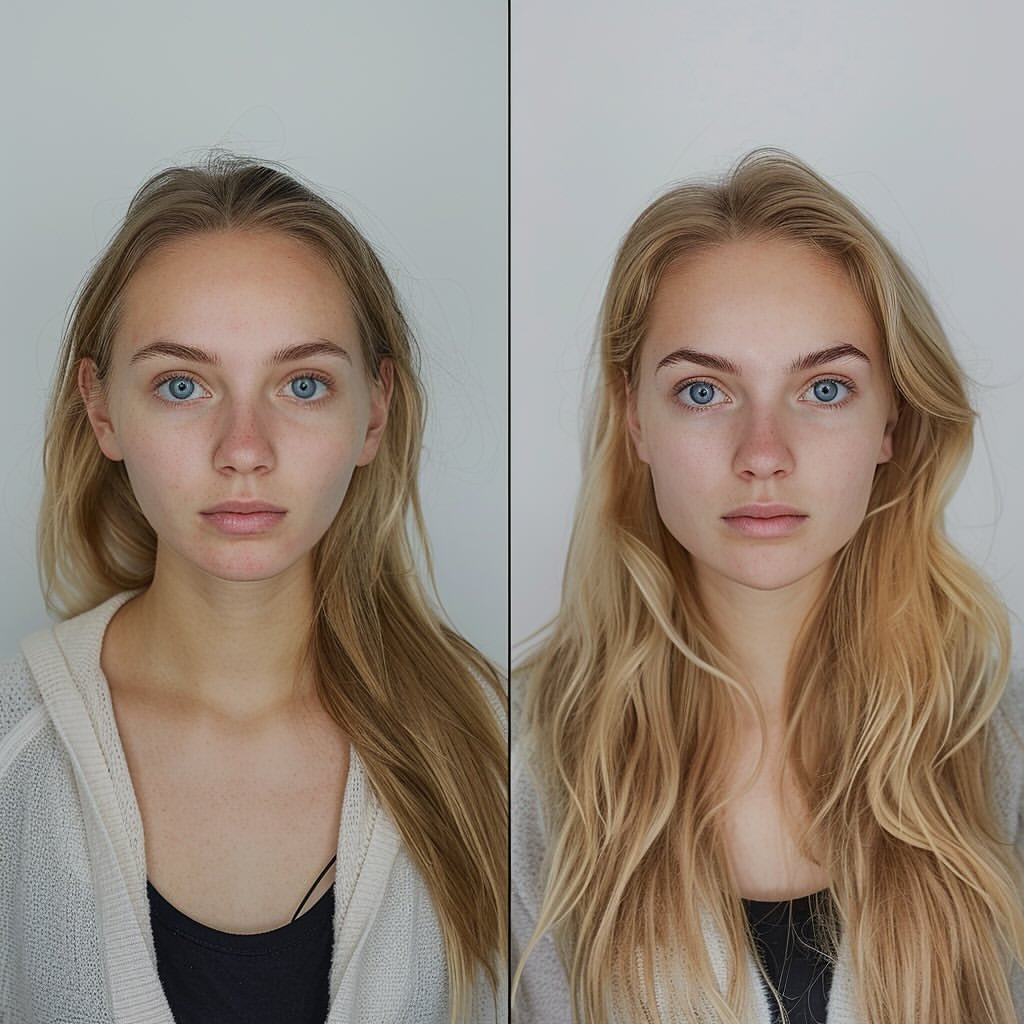
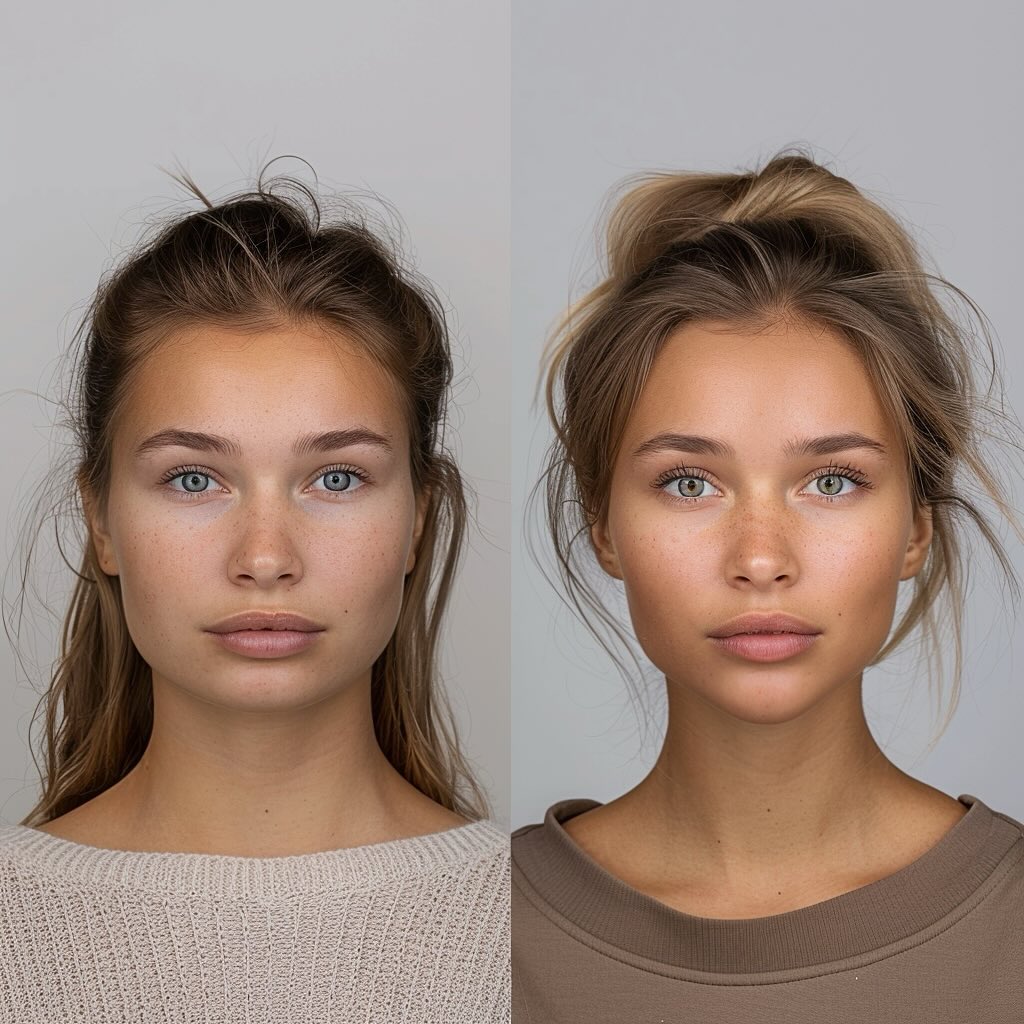
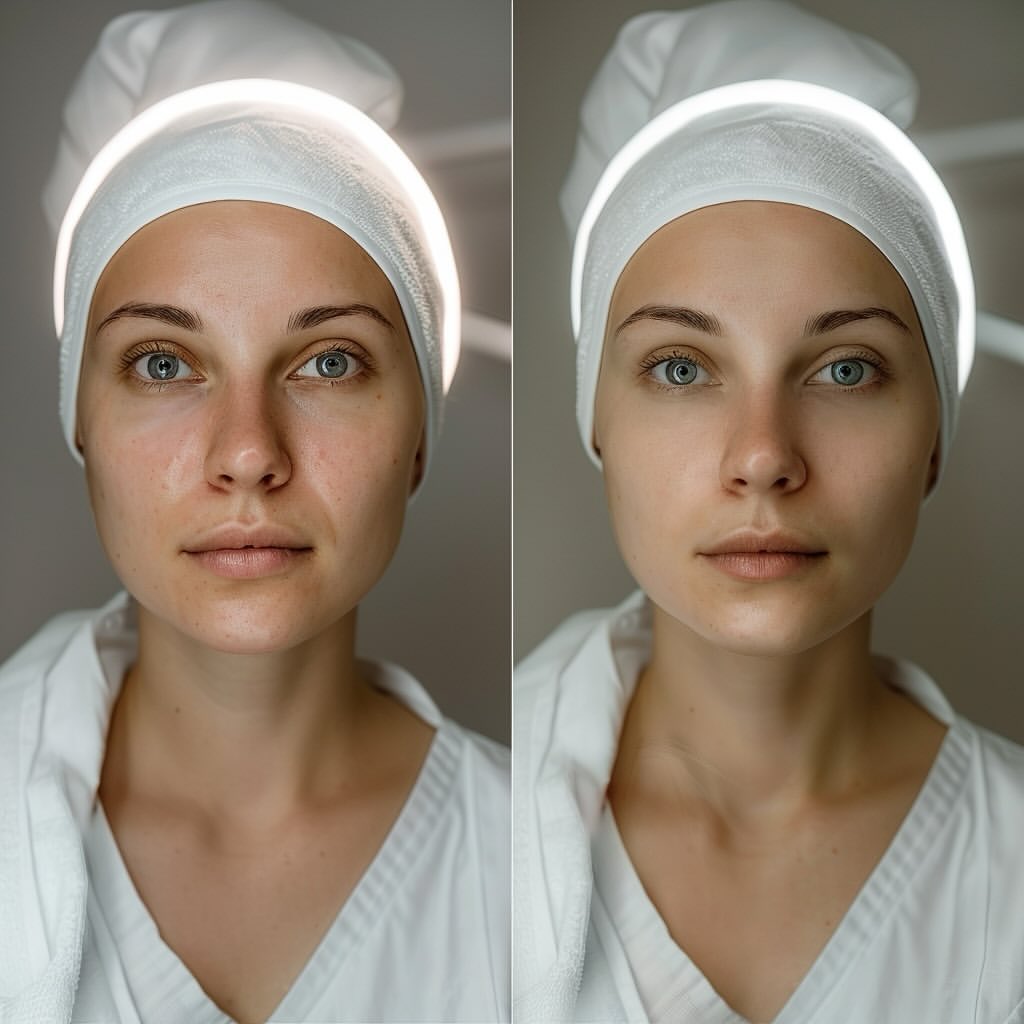
Thousands of satisfied customers
Proper Botox Aftercare and Effects of Botox
Maintaining the integrity of the injection site is paramount for a successful recovery. Following these rules prevents the Botox from moving and ensures the product targets only the intended muscles for a smooth finish.
What is Botox?
Botox is a safe, purified protein used to relax facial muscles. This aesthetic treatment targets dynamic lines, helping to keep your skin smooth and youthful while reducing the visible effects of ageing.
Clinical studies suggest that receiving Botox injections is generally considered effective for smoothing a wrinkle. In our London skin clinic, we prioritise patient safety to ensure the most natural-looking results from your procedure.
How Botox Works to Achieve the Best Outcomes
The Botox injection temporarily blocks nerve signals to specific muscles. This process helps prevent the injectable from moving, allowing the treated area to remain relaxed and wrinkle-free for several months.
By reducing muscle activity, the treatment allows the skin to recover. Proper aftercare instructions are vital to ensure the protein stays exactly where it was placed during your professional session.
Expected Botox Results and Longevity
Most patients notice significant results from your Botox treatment within a few days. You will see a visible reduction in lines as the full effects of the drug become apparent after two weeks.
Results last as long as three to four months, depending on your metabolism. Regular maintenance helps your injections work more effectively over time, ensuring the long-term effectiveness of your treatment.

Immediate Post-Botox Care for Optimal Results
The first few hours after your appointment are critical for the product’s distribution. Our clinical team suggests focusing on relaxation and gentle movements to support the initial absorption of the protein.
Aftercare Category | Recommended Action | Timeframe |
Posture | Keep head upright and avoid lying flat | First 4 hours |
Facial Movement | Gentle frowning, squinting, or smiling | First 2 hours |
Physical Strain | Avoid heavy lifting or intense cardio | First 24 hours |
Skin Hygiene | Cleanse with cool water and gentle touch | First 24 hours |
Staying Upright After Post-Botox Treatment
You must stay upright for at least four hours post-treatment. This simple step helps prevent the product from migrating to unintended areas, ensuring the solution remains concentrated in the target zone.
Bending over or lying flat too soon can cause the substance to spread. Maintaining an upright posture is one of the most critical aspects of post-procedure care to ensure symmetrical results.
Facial Muscle Exercises for Better Treatment Results
Gently exercising your face after Botox can help the formula settle. Try frowning, squinting, or smiling naturally to encourage even distribution of the protein within the muscles of the treated area.
These movements help the injectable work into the nerve endings. However, you should avoid touching your face while performing these exercises to maintain the hygiene of the injection site.
Managing Swelling and Bruising on Face After Botox
It is normal to experience a small bruise or mild side effects after your cosmetic procedure. These minor issues usually subside within a few days of your Botox treatment in central London.
To manage minor bruising effectively, follow these tips:
- Apply a cool compress very gently.
- Avoid taking blood-thinning supplements like Vitamin E.
- Keep the head elevated even during sleep.
- Avoid excessive salt intake for 24 hours.
Ice Pack Application Tips for Proper Aftercare
Applying a cold compress can manage swelling and help your recovery. Be careful to apply very light pressure to avoid potentially dispersing the medication from the intended muscle group.
Ice should be used sparingly during the first few hours. This technique protects your skin and minimises discomfort without interfering with the results of your Botox treatment.
Vital Botox Aftercare Instructions
Strict adherence to clinical advice ensures that the protein binds correctly to the targeted nerve endings. Any deviation from these steps may compromise the aesthetic finish or lead to uneven results.
Immediate Aftercare: First 24 Hours Post Botox
The first 24 hours are vital for a successful outcome. You should wait at least 24 hours before returning to vigorous activities to prevent any displacement of the product.
Adhering to aftercare tips during this window ensures the protein binds correctly. Proper care is the difference between a standard result and the possible results from your injections.
Washing Face After Botox Safely
You can wash your face after Botox using a very gentle cleanser. Use lukewarm water and avoid scrubbing the treated area to prevent the solution from migrating to unintended muscles.
Follow this gentle cleaning routine:
- Splash face with cool or lukewarm water.
- Use a fragrance-free, soap-free cleanser.
- Pat the skin dry with a soft towel.
- Avoid any rotating cleansing brushes or sponges.
Showering and Heat Exposure Rules for Proper Botox Aftercare
Wait at least 24 hours after treatment before taking a hot shower or using a sauna. Excessive heat can increase the risk of swelling and may break down the protein prematurely.
Cooler temperatures are much better for the injection site initially. Protecting your skin from high heat for 24 hours after treatment helps ensure the best results from your procedure.
Makeup Application Timeline and Care of Your Skin
We recommend waiting at least 24 hours post-treatment before applying heavy makeup. This precaution keeps the injection site clean and prevents the risk of infection or irritation on your face.
If you must apply products, use a light touch. Care of your skin following a session is paramount to achieving the smooth, radiant look you desire from our clinic.

What to Avoid After Botox for Smooth Recovery
Understanding the limitations post-injection helps prevent unwanted side effects. Certain daily habits can inadvertently cause the solution to spread to areas where relaxation is not desired.
Restricted Physical Activity and Exercise Aftercare Instructions
Avoid strenuous exercise for at least 24 hours post-treatment. Intense physical activity increases blood flow, which can cause the formula to migrate or increase the risk of bruising significantly.
Wait at least a full day before returning to the gym. This restriction is one of the most important aftercare instructions for ensuring the treatment results remain exactly as planned.
Why You Must Avoid Touching and Massaging Treated Areas
Do not rub or massage the treated area for at least 24 hours. Pressure can cause the injectable to migrate to unintended muscles, leading to drooping eyelids or asymmetrical results.
Avoid touching your face entirely for the first few hours. This helps prevent the protein from moving and ensures the product remains perfectly placed for optimal results.
Sleeping on Side and Lying Flat Guidelines
Try to sleep on your back for the first night after getting Botox. Lying on your side or stomach can put pressure on the face and cause the injections to settle incorrectly.
Maintaining this position helps prevent the product from moving during the night. It is a simple way to protect the results of your treatment while you rest and recover.
Alcohol and Dietary Considerations After Treatment
You should avoid alcohol for at least 24 hours before and after your injections. Alcohol thins the blood, which can significantly increase the risk of bruising at the injection site.
To support your body during recovery, consider these dietary choices:
- Drink plenty of fresh water to hydrate.
- Eat foods rich in Vitamin C for skin health.
- Limit processed foods that contain high salt levels.
- Avoid herbal teas that may thin the blood.
Sun Protection and UV Exposure Precautions
Direct sun exposure should be avoided for at least 24 hours after your Botox. UV rays and heat can cause the formula to spread or trigger inflammation in the treated area.
Wear a wide-brimmed hat or stay in the shade when outdoors. Protecting your skin from the sun helps results last as long as possible and prevents premature ageing of the skin.

Enhancing Treatment Results and Maintaining Skin Health
Long-term success depends on a holistic approach to skin health and clinical maintenance. Combining professional treatments with a structured home care plan will yield the most natural and lasting rejuvenation.
Long-Term Post-Botox Care Strategies
To maintain the results of your Botox, establish a consistent schedule for follow-up appointments. Regular treatments help train the muscles, making the effects of your aesthetic procedure last longer.
Consistent care ensures your skin remains smooth between sessions. Long-term care involves both professional sessions and a dedicated at-home regimen to support the health of your skin.
Establishing Effective Skincare Routine for Optimal Results
Use high-quality serums and moisturisers to support the results of your treatment. A routine rich in antioxidants and peptides can help your anti-wrinkle injections look even more vibrant and fresh.
A daily skincare routine should focus on:
- Broad-spectrum SPF 50 application every morning.
- Hyaluronic acid for deep dermal hydration.
- Nightly moisturisers to support the skin barrier.
- Gentle exfoliation once the 24-hour window has passed.
Choosing Experienced Providers to Get Botox Safely
Always choose a qualified practitioner for your Botox treatment to ensure safety. An experienced injector knows exactly where to place the product to achieve the best and most natural-looking results.
A professional clinic will provide detailed instructions tailored to you. This expertise reduces the risk of complications and ensures a successful Botox experience every single time.
Scheduling Regular Maintenance Treatments for Botox Results
We recommend you schedule a follow-up appointment every three to four months. This timing prevents the muscles from fully regaining strength, which keeps deep lines from reforming on your face.
Regular maintenance is the key to lasting youthfulness. By staying ahead of the ageing process, you ensure the effectiveness of your treatment remains consistent year after year.
Complementary Treatments for Enhancing Post-Botox Care
Consider combining Botox with a dermal filler for a more comprehensive rejuvenation. While one relaxes muscles, the other restores lost volume, working together to achieve the best results for your face.
Discuss these options with your aesthetic consultant during your visit. Combining treatments can enhance the results of your procedure and provide a more balanced, youthful facial aesthetic.
Potential Complications and Side Effects Management
Being informed about potential reactions allows you to recover with confidence. While complications are rare, knowing how to identify and respond to them is a vital part of patient safety.
Common Side Effects and Post Botox Recovery
Most patients only experience mild side effects like slight redness or tiny bumps. These symptoms are temporary and typically vanish within a few hours after your injections are complete.
These reactions are part of the natural healing process. Following proper aftercare instructions helps manage these effects and ensures your post-procedure journey is as comfortable as possible.
When to Call Provider Regarding Treatment Results
If you have questions about your injections or notice anything unusual, contact our clinic immediately. Our team is here to support you throughout your entire recovery process.
Key reasons to contact your clinical practitioner:
- Persistent headaches that do not resolve.
- Asymmetry that is visible after 14 days.
- Signs of infection at the injection site.
- Drooping of the eyelid or brow area.
Serious Symptoms to Monitor During Botox Aftercare
Though rare, serious symptoms like difficulty swallowing or vision changes require immediate medical attention. These issues can occur if the medication causes unintended muscle relaxation elsewhere in the body.
Monitoring your health in the days after treatment is essential. Being aware of your body’s response helps ensure your results are both beautiful and entirely safe.
Safety Precautions for Specific Groups
Botox is not recommended for individuals who are pregnant or breastfeeding. Always disclose your full medical history to your provider before receiving injections to ensure your total safety.
Your health is our primary concern during any cosmetic procedure. Ensuring you are a suitable candidate is the first step toward achieving a successful result in our clinic.

FAQs About What to Avoid After Botox
Can I Swim After Botox Treatment?
You should wait at least 24 hours post-treatment before swimming. The pressure from goggles and the heat of a pool can cause the solution to migrate to unintended areas. Staying dry and avoiding facial pressure during the first day after treatment ensures the best possible results.
Is It Safe to Take Melatonin During Post-Botox Care?
Melatonin is generally considered safe to take after your injections. It does not thin the blood or increase the risk of bruising like aspirin might. However, always consult your clinician if you have specific concerns about how supplements might affect the effectiveness of your treatment.
How Soon Can I Get Facial or Massage on Face After Botox?
You must wait at least two weeks before having a facial or massage. Pressure on the treated area can cause the product to move before it has fully bound to the muscles. Waiting 14 days ensures the treatment results are stable and the substance has settled correctly.
Can I Take Steroids or Blood Thinners After Getting Botox?
Blood thinners should be avoided for 24 hours post-treatment to reduce bruising risks. Steroids usually do not interfere with the medication, but you must inform your doctor about all medications. This ensures proper aftercare and prevents complications that could potentially affect the final results of the treatment.