The Ultimate Guide to Lip Filler Aftercare: Best Tips for Optimal Cosmetic Results
Receiving lip fillers is just the beginning of your aesthetic journey. What you do in the hours and days following your lip filler injection determines how well your results develop and how quickly you recover. This guide provides evidence-based aftercare instructions to help you navigate the post-treatment period with confidence.

Thousands of satisfied customers
Why Aftercare Is Essential
The period immediately following dermal filler treatment is critical for achieving the outcome you envisioned. Your actions after leaving the clinic play a significant role in your final appearance.
How Aftercare Minimizes Side Effects
Following appropriate aftercare guidelines significantly reduces common complications associated with filler injections. Clinical observations suggest that patients who adhere to post-treatment protocols experience less pronounced swelling and bruising.
When hyaluronic acid filler is introduced into the lips, the body responds with localized inflammation. By controlling factors that exacerbate this response, such as heat exposure or increased blood flow from exercise, you allow the injection site to stabilize more quickly.
Lip Filler Aftercare: Key to Achieving the Best Possible Results
The shape and symmetry of your enhanced lips depend partly on how the filler settles during the initial days. Premature pressure on your lips or excessive movement can cause the filler to migrate from its intended placement. According to practitioners specializing in facial aesthetics, approximately 15-20% of suboptimal outcomes relate to inadequate aftercare rather than injection technique.
Immediate Post-Treatment Steps
The first few hours following your cosmetic procedure set the foundation for your recovery.
Applying Cold Compress: How to Use Ice to Reduce Swelling
Cold application remains one of the most effective methods to minimize post-injection swelling. Within the first 4-6 hours, gently apply ice to the treated area. Place an ice pack wrapped in a clean, thin cloth against your lips for 10-minute intervals, allowing 10 minutes of rest between applications.
Important considerations:
- Never apply ice directly to skin
- Use gentle pressure—avoid pressing firmly
- An ice cube wrapped in gauze provides an alternative
First Steps to Minimize Swelling and Bruising
Beyond cold application, several immediate actions help control inflammation. Keep your head elevated for at least 4 hours after treatment. Avoid lying flat to prevent fluid pooling in facial tissues. Resist the urge to touch your newly enhanced lips for at least 24 hours.
Managing Bruising and Swelling
Some degree of swelling after treatment is entirely normal—most patients experience noticeable swelling that peaks 24-48 hours post-injection. Bruising affects approximately 30-40% of patients according to clinical data.
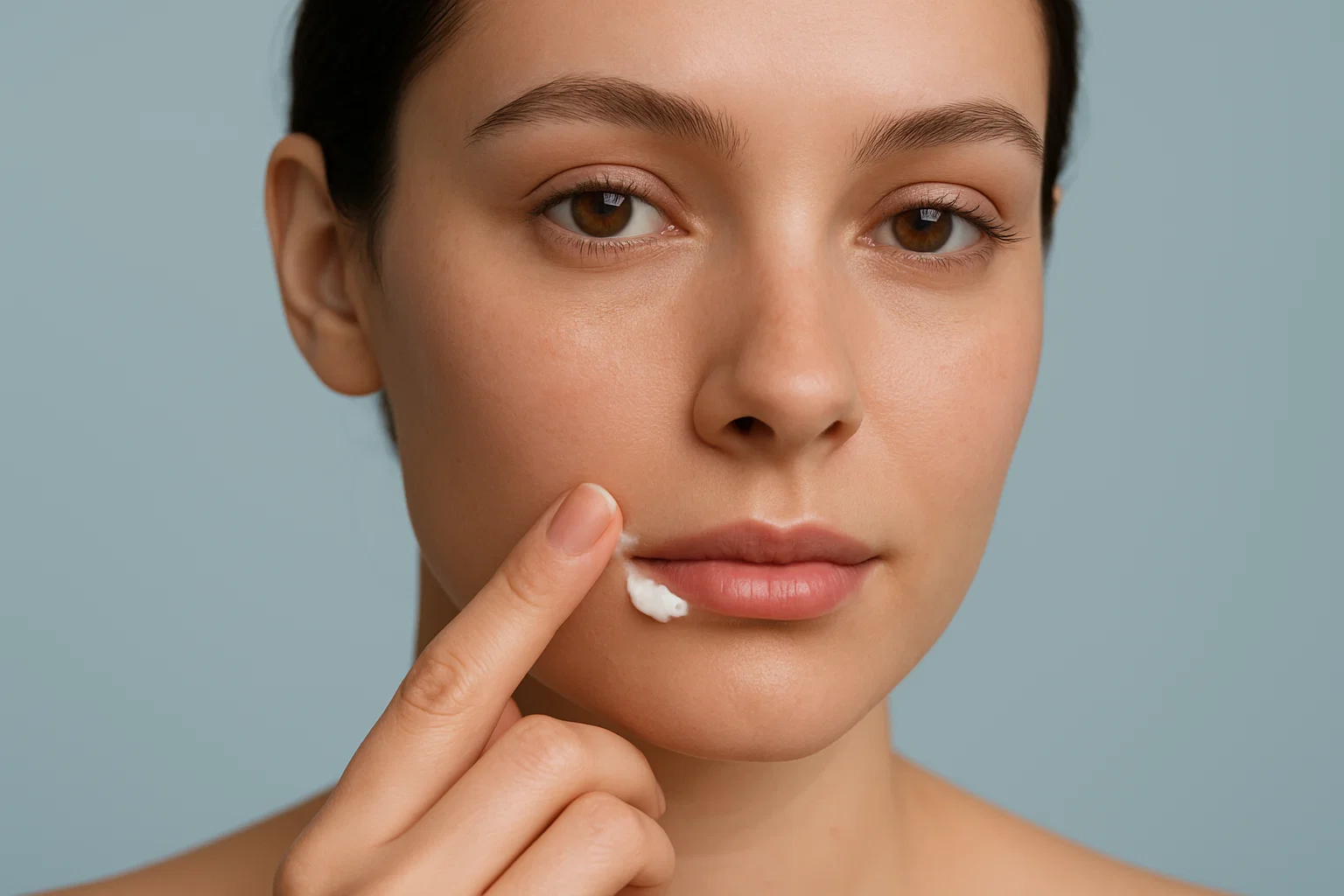
Treating Bruising with Arnica Cream and Other Methods
Arnica montana has gained popularity in aesthetic medicine. Many practitioners and patients report accelerated bruising resolution when arnica is applied topically.
Application guidelines:
- Begin using arnica cream 2-3 times daily starting 24 hours after treatment
- Continue for 5-7 days or until bruising fades
- Choose pharmaceutical-grade preparations
Alternative approaches:
- Vitamin K cream may speed bruising resolution
- Bromelain supplements (500mg twice daily) may help reduce swelling
- Avoid aspirin and ibuprofen for 48 hours as they may worsen bruising
- Use paracetamol for pain relief instead
Hygiene and Skincare Routine
Maintaining cleanliness around the injection site prevents complications while supporting the healing process.
Keeping the Lips Clean and Sanitized
For the first 24 hours, gentle cleansing proves essential. Use lukewarm water and a mild, fragrance-free cleanser. Pat dry with a clean towel rather than rubbing. Avoid public swimming pools or hot tubs for at least 48 hours.
Using Gentle Skincare Products After Treatment
Your regular skincare routine may need temporary modification. Products containing retinoids, alpha hydroxy acids, or high-concentration vitamin C should be avoided near the lips for at least 48-72 hours.
Suitable products include:
- Gentle, fragrance-free cleansers
- Simple moisturizers without active ingredients
- Plain petroleum jelly or hyaluronic acid-based balms
Keeping Lips Hydrated with the Right Balm
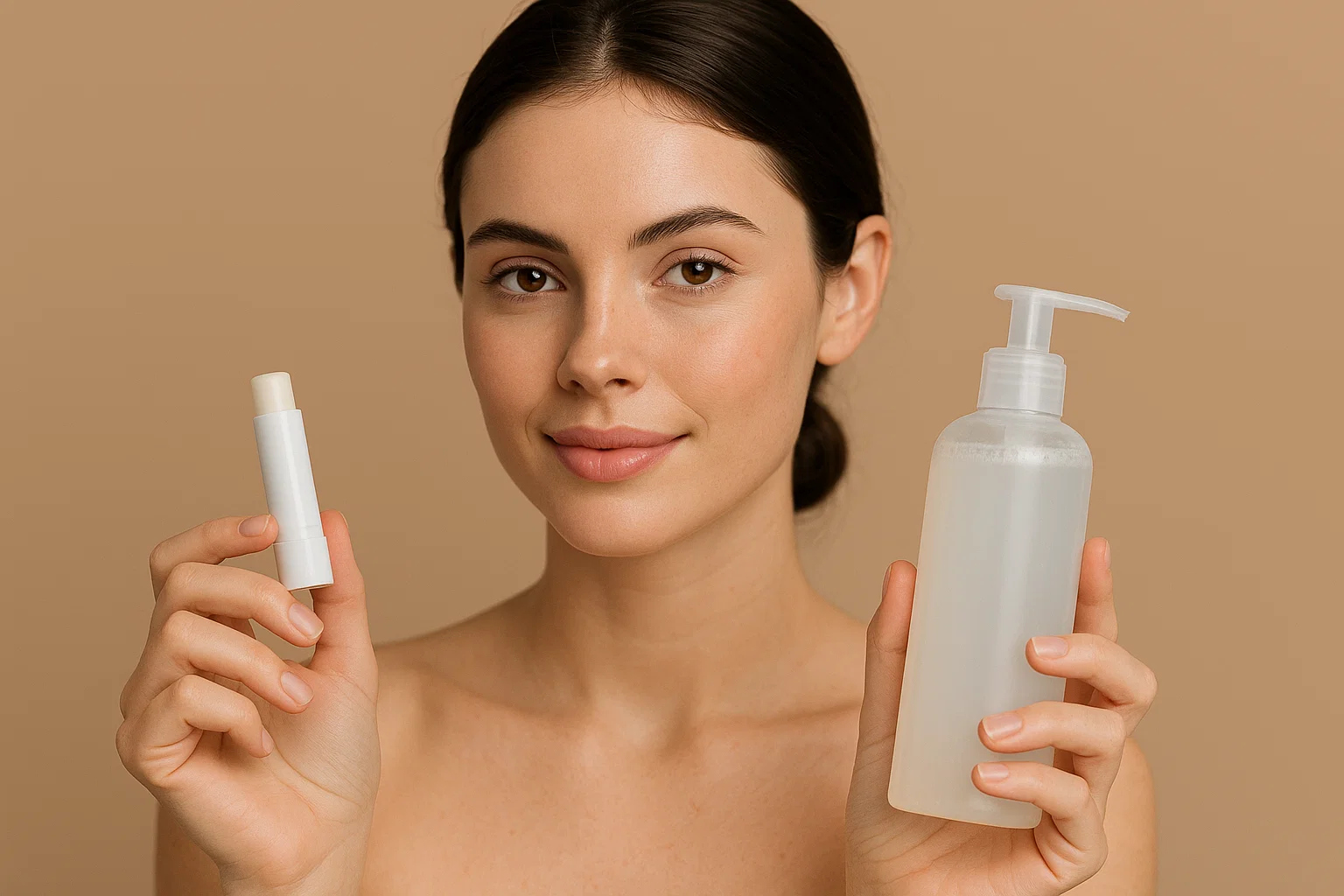
Choose a lip balm with simple, hydrating ingredients. Products containing hyaluronic acid complement the filler material, while those with ceramides or natural oils provide protective moisture barriers.
Balm selection criteria:
- Fragrance-free to minimize irritation
- Free from menthol or camphor
- SPF protection for daytime use (after 24 hours)
- Clean application method
Optimal Sleeping Position
How you sleep during the first several nights following lip filler injection significantly influences swelling patterns.
Sleeping Elevated: Use an Extra Pillow to Reduce Swelling
Gravity plays a crucial role in fluid distribution. When lying flat, fluids naturally accumulate in facial tissues, potentially exaggerating swelling.
Elevation strategies:
- Add one or two extra pillows to raise your head above heart level
- Use a wedge pillow designed for elevation
- Aim for approximately 30-45 degrees of elevation
- Maintain this position for at least 3-4 nights
Positioning Techniques to Minimize Swelling After Lip Fillers
Sleep on your back to prevent direct pressure on your lips. Side and stomach sleeping positions place your face against pillows, creating pressure that could potentially displace filler material during the crucial settling period.

Dietary and Hydration Recommendations
What you consume following your lip filler treatment affects how quickly you heal.
Staying Hydrated Is Crucial
Adequate water intake supports the healing process and helps your hyaluronic acid filler maintain optimal hydration. Drink plenty of water throughout the day, aiming for at least 2 litres. Hyaluronic acid molecules bind water—a property that contributes to the plumping effect.
Choosing Soft Foods: What to Eat
For the first 24-48 hours, select foods that require minimal chewing to reduce movement and pressure on your lips.
Suitable options:
- Smoothies and protein shakes (consumed from a cup)
- Soups and broths at lukewarm temperature
- Yogurt, soft cheeses, and mashed potatoes
- Soft fish or well-cooked pasta
The Importance of Avoiding Extra Salty Foods
Excessive sodium consumption encourages water retention, potentially worsening swelling. Avoid processed meats, canned foods, restaurant meals, and salty snacks for the first 3-5 days. Season with herbs and spices rather than salt.
General Healthy Eating Practices for Recovery
Focus on consuming plenty of fruits and vegetables, which provide vitamins, minerals, and antioxidants that aid tissue repair. Include vitamin C for collagen production, vitamin K for blood clotting, protein for tissue repair, and omega-3 fatty acids for anti-inflammatory benefits.
Activities and Habits to Avoid
Certain activities interfere with proper filler settling or exacerbate swelling and bruising.
Avoiding Strenuous Exercise (Up to 48 Hours Post-Injection)
Physical exertion increases heart rate and blood pressure, which heightens blood flow to your recently treated lips. This may worsen swelling and increase bruising. Avoid high-intensity cardio, weightlifting, hot yoga, or any activity causing significant perspiration for at least 24-48 hours. Light walking remains acceptable.
Avoiding High Temperatures (Saunas, Hot Tubs)
Heat causes blood vessels to dilate, increasing circulation to treated areas. Avoid saunas, steam rooms, hot tubs, and heated pools for at least 48 hours, preferably one week. Take lukewarm rather than hot showers.
Protecting Lips from Direct Sun and Tanning Beds
UV radiation damages skin and may degrade hyaluronic acid fillers over time. Apply broad-spectrum SPF 30+ lip balm when outdoors, wear a wide-brimmed hat, and seek shade during peak sun hours. Avoid tanning beds for at least 2-4 weeks.
Avoiding Contact and Pressure
During the first several days, the filler material remains somewhat mobile.
Do Not Touch, Massage, or Press the Lips
Unless your practitioner specifically instructs you to massage, leave your lips undisturbed. Avoid rubbing, squeezing, or pressing firmly when applying products. If you notice a lump or irregularity, contact your practitioner rather than attempting to manipulate it yourself.
Avoiding Kissing and Puckering (Lip Movements)
Vigorous lip movements during the first 24-48 hours may affect filler placement. Passionate kissing places direct pressure on the lips and should be postponed for at least 48 hours. Gentle kisses after this period typically pose no concern.
Why You Should Avoid Using Straws
Drinking through straws creates a pursing action that places pressure on the lips. This repeated motion could theoretically affect filler placement. Sip directly from cups or glasses for approximately 48 hours.
Product Application Restrictions
The products you apply require careful consideration during recovery.
Avoiding Make-Up Application Near the Injection Site
Cosmetic products may introduce bacteria and involve contact that could affect filler placement. Avoid lipstick, lip gloss, and lip liner for at least 24 hours. Wait 24-48 hours before applying foundation near the lips. When resuming makeup, ensure all applicators are clean.
Substances to Eliminate
Certain substances interfere with healing during the crucial post-treatment period.
The 24-Hour Rule: Avoiding Alcohol
Alcohol consumption causes blood vessel dilation and blood thinning, both of which may worsen swelling and bruising. Abstain from alcohol for at least 24 hours following lip filler injection, ideally 48 hours for optimal results.
The 48-Hour Rule: Avoiding Smoking
Smoking constricts blood vessels, reducing oxygen delivery to tissues and impairing healing. The repetitive lip movements associated with smoking may also affect filler placement. Avoid smoking for at least 48 hours, though extending this period supports better healing.
Travel Considerations
Planning to travel soon after treatment requires special consideration.
Restrictions on Flying Immediately After Lip Filler Injection
Commercial aircraft cabins maintain lower air pressure than ground level, which may affect filler placement or exacerbate swelling. Aircraft cabins also have very low humidity, which can dehydrate tissues.
Most practitioners recommend waiting at least 24-48 hours before flying, with some suggesting a full week for long-haul flights. If travel proves unavoidable, stay well-hydrated, apply moisturizing balm frequently, and avoid alcohol during the flight.
Recovery from Other Cosmetic Procedures
Coordinating the timing of various procedures optimizes results and minimizes complications.
Delaying Other Cosmetic Treatments (Wait at Least 2 Weeks)
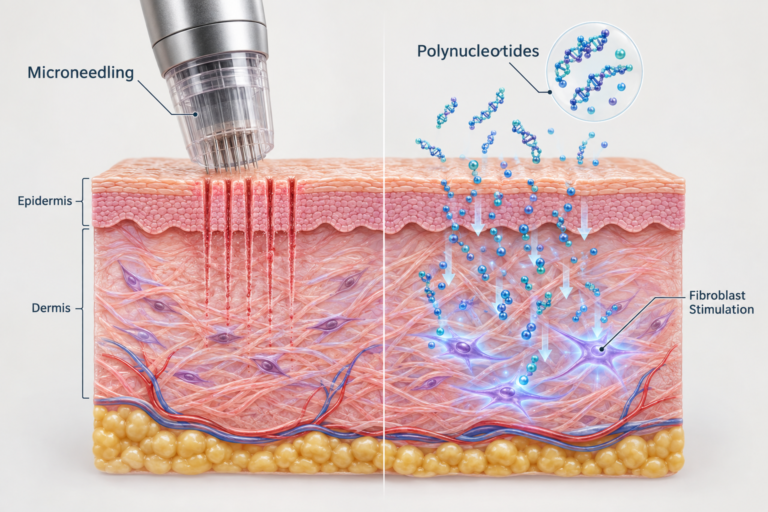
Following your lip filler injection, postpone additional cosmetic work for at least 2 weeks. This includes additional injectable treatments, laser treatments, chemical peels, microneedling, and IPL therapy. This waiting period allows the filler to settle completely.
Avoiding Invasive Skin Treatments (Facials, Peels)
Professional facials, particularly those involving extractions or massage, should be postponed for at least 2 weeks. Chemical peels and microneedling should be avoided for at least 2-4 weeks to ensure complete filler integration.
Setting Realistic Expectations: Allowing Time for Full Recovery
Understanding the typical healing timeline helps maintain appropriate expectations.
Recovery timeline:
- Day 1-2: Peak swelling occurs
- Day 3-5: Swelling begins subsiding noticeably
- Week 2: Most swelling has resolved
- Week 3-4: The filler has settled into its final position
Be Patient: The Final Results Emerge Gradually
The immediate post-injection appearance rarely represents your final result. Initial swelling obscures the true outcome, which emerges gradually as inflammation resolves. Resist the urge to evaluate results critically before at least 2 weeks have passed.
Planning Ahead: Waiting 2-4 Weeks Before Major Events
If you’re considering lip fillers before an important event, schedule your treatment with appropriate timing. Allow at least 2-4 weeks between your injection and the event to ensure swelling has completely resolved and results have stabilized.
Possible Side Effects and Concerns
Understanding normal experiences versus concerning symptoms helps you respond appropriately.
Understanding Swelling: Don’t Panic
Swelling represents the body’s natural inflammatory response and typically proves most pronounced 24-48 hours post-treatment. The degree of swelling varies considerably between individuals. Asymmetric swelling commonly occurs and does not indicate a problem with filler placement.
Warning Signs to Watch For After Dermal Filler
Contact your practitioner immediately if you experience severe pain, blanching (skin whitening), purple or blue discoloration, extreme asymmetry, signs of infection (increasing warmth, redness, fever), or vision changes. Most complications remain extremely rare when treatments are performed by qualified practitioners.
A Guide to Understanding Lip Filler Migration
Filler migration refers to movement of the product away from its intended placement. Significant migration remains relatively uncommon when treatments are performed correctly and appropriate aftercare is followed. True migration typically becomes apparent over weeks or months rather than days.
Maximizing and Maintaining Results
Appropriate maintenance extends the lifespan of your enhancement.
Long-Term Lip Care and Maintenance Tips
Continue using a quality hydrating balm, avoid aggressive exfoliation, maintain healthy lifestyle habits with adequate sleep and balanced nutrition, and avoid smoking. Well-hydrated lips maintain their enhanced appearance more effectively.
The Role of Sun Protection in Longevity
UV exposure degrades hyaluronic acid and damages lip tissues. Consistent sun protection preserves both your natural lips and your filler results. Choose a lip balm containing broad-spectrum SPF 30 or higher and reapply throughout the day.
Scheduling Follow-Up Appointments
Most practitioners recommend a review appointment approximately 2-4 weeks following your initial lip filler treatment. This allows swelling to resolve completely, revealing your final result. Hyaluronic acid fillers gradually break down over 6-18 months depending on the specific product used.
Frequently Asked Questions (FAQ)
Should I Smile or Move My Lips After Fillers?
Natural facial expressions and normal speaking are perfectly acceptable. Avoid exaggerated facial expressions or aggressive kissing for the first 48 hours. After this initial period, normal expressive movement helps the filler integrate naturally.
When Can I Safely Apply Make-Up After Treatment?
Most practitioners recommend waiting at least 24 hours before applying makeup on your lips. Foundation and other facial makeup can typically be applied around the lips after 12-24 hours, provided you use clean application tools.
Can I Put Vaseline or Lip Balm on My Lips After Fillers?
Yes, applying a simple, hydrating lip balm immediately following treatment is generally encouraged. Plain petroleum jelly provides an excellent option, or balms based on hyaluronic acid complement the filler material.
Are There Any Common Side Effects to Expect?
Swelling affects virtually all patients and peaks 24-48 hours post-injection. Bruising occurs in approximately 30-40% of patients. Tenderness at injection sites is normal and resolves within 2-3 days. Mild lumps typically smooth out as the filler settles.
When Can I Go on Holiday or Travel After Treatment?
For travel not involving flights, you can generally travel within 24-48 hours. For air travel, wait at least 48 hours, ideally a full week for long-haul flights. If your holiday involves sun exposure, allow at least one week before beach holidays.
Newsletter Updates
Enter your email address below and subscribe to our newsletter