
How Often Should You Get Btx Injections
Most providers recommend getting Btx every 3-4 months to maintain optimal results. However, the ideal frequency for btx treatment isn’t universal. Your personal schedule depends on several factors, including your metabolism, the treatment area, muscle strength, and how your body responds to btx. This guide explores everything you need to know about timing your btx injections for the best possible outcomes.

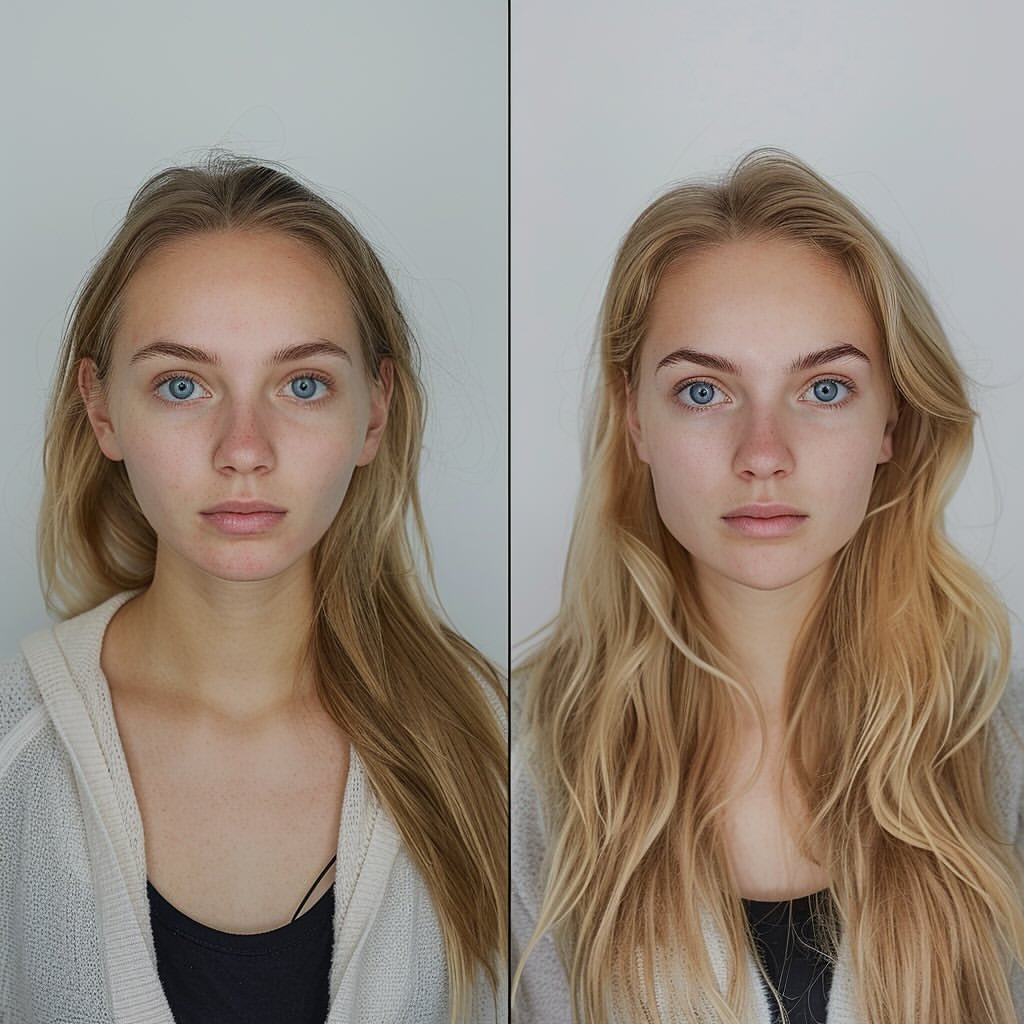
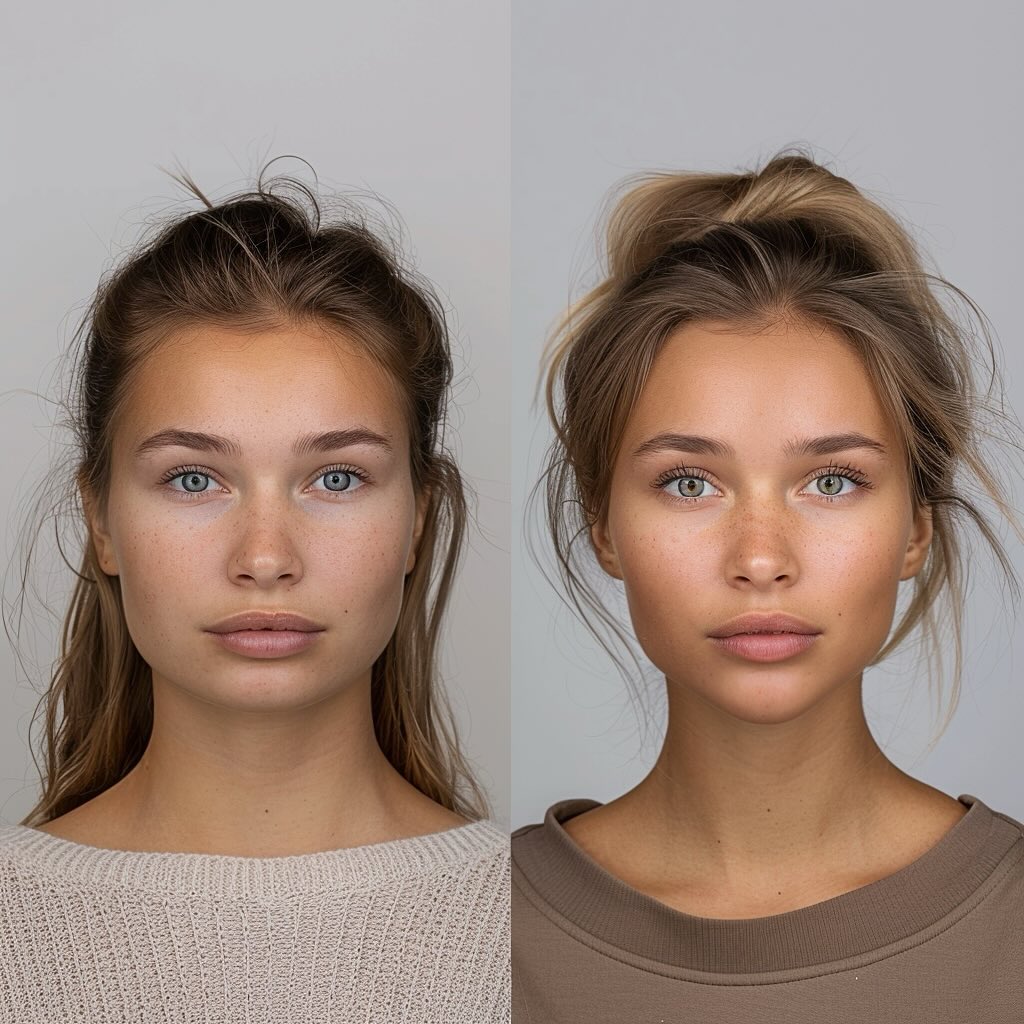
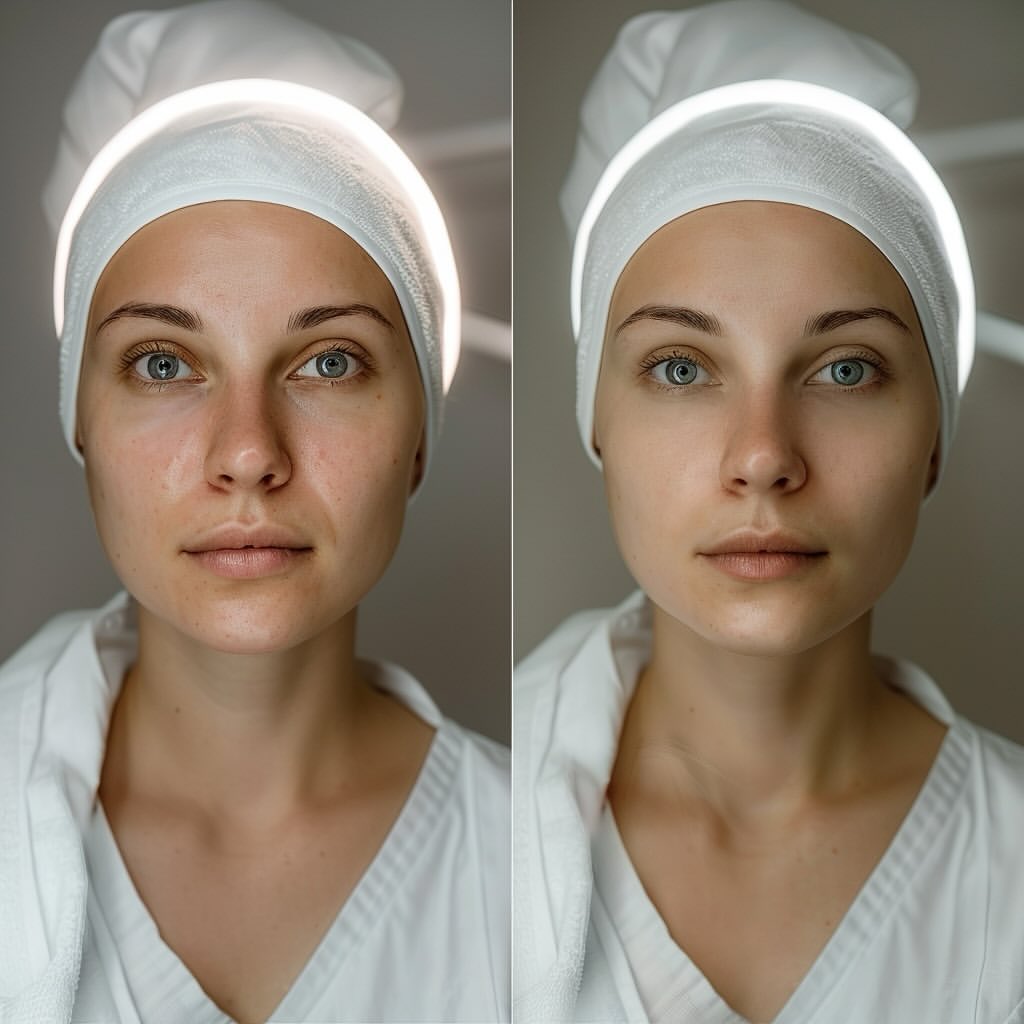
Thousands of satisfied customers

Defining Btx and Its Function
Btx® injections remain a widely used treatment designed to smooth fine lines and wrinkles and reduce visible signs of aging through targeted muscle relaxation. This minimally invasive approach helps treat wrinkles and facial creases, offering best results when btx is injected by an experienced provider who tailors the procedure to specific facial lines and anatomical features.
What is Btx?
Btx is a purified protein derived from botulinum toxin type A, specifically known by its generic name onabotulinumtoxinA. As a neuromodulator, this injectable works by targeting the connection between nerves and facial muscles. Clinical studies demonstrate that btx treatment has been used successfully for over three decades in both medical and aesthetic applications.
How Btx Works for Wrinkles
When you get btx, the botulinum toxin temporarily blocks nerve signals to specific facial muscles. This interruption prevents the muscles from contracting with their usual intensity, allowing them to relax. Dynamic wrinkles – those lines that appear when you make expressions like frowning or squinting – become softened as the underlying muscle activity decreases. The injection doesn’t paralyse muscles entirely; rather, it reduces excessive movement that creates and deepens wrinkles over time.
Common Cosmetic Treatment Areas
Btx injection targets several FDA-approved areas for cosmetic enhancement:
- Glabellar lines (the “11s” between eyebrows)
- Forehead lines (horizontal wrinkles across the forehead)
- Crow’s feet (lines radiating from the outer eye corners)
- Bunny lines (wrinkles on the nose bridge)
Each treatment area requires different dosing based on muscle size and strength. Often you should get customised injection plans that address your specific concerns and facial anatomy.
Medical Conditions Treated with Btx
Beyond aesthetics, botulinum toxin treats various medical conditions, including chronic migraines, excessive sweating, muscle spasms, and cervical dystonia. This broad therapeutic range demonstrates the versatility and safety profile of btx treatment when properly administered.
Your Typical Btx Treatment Schedule
Determining how often you should get Btx depends on how your muscles respond to btx, individual metabolism, and previous regular injections. Most patients follow evidence-based intervals that ensure stable outcomes and predictable correction of wrinkles and fine lines.
Recommended Treatment Interval for Most Patients
The standard three to four months interval between sessions reflects the average time frame for btx activity, aligning with the time frame for btx efficacy observed in clinical practice. Research indicates that nerve signals gradually regenerate during this period, allowing muscle function to return. When you get btx on a regular schedule, you’ll notice wrinkles beginning to reappear around the three-month mark, signalling it’s time for your next injection.
First-Time Btx Schedule
Your initial btx injection requires a slightly different approach. New patients should expect results to appear within 3-5 days, with full effects visible after 10-14 days. Many practitioners recommend scheduling a two-week follow-up assessment to evaluate results. For your second treatment, waiting a full 3-4 months allows your practitioner to observe how long results last in your specific case.
Scheduling Repeat Sessions for Maintenance
Consistency remains essential for achieving best results. Maintaining treatment every few months helps ensure that original facial lines begin to return more slowly, and btx also supports longer-lasting improvement when performed within the recommended frequency of btx intervals. Regular btx treatment may also allow facial muscles to “learn” to relax, potentially extending results over time.
Minimum Safe Time Between Injections
Medical guidelines suggest waiting at least 12 weeks (3 months) between btx injections to minimise the risk of developing resistance. Getting treatment too frequently can potentially trigger antibody formation, where your immune system recognises and neutralises the btx before it can work effectively.

Factors Influencing Btx Longevity
The duration of results varies significantly because btx depends on metabolic rate, muscle strength, and the specific areas being treated. Individual physiology shapes how the injection distributes through targeted facial structures, and these variables impact how long botox lasts before facial lines begin to re-form. Regular injections administered within a clinically appropriate schedule help maintain continuity, while lifestyle factors and the amounts of botox used can modify the overall time frame for botox efficacy.
How Long Btx Results Typically Last
Most patients experience results lasting between 3-6 months, with 3-4 months being most common. The duration depends on how quickly your body metabolises the botulinum toxin and how strong your facial muscles are in each treatment area. Tracking your personal timeline helps establish when you should get your next injection for seamless maintenance.
Impact of Metabolism on Longevity
Individual metabolic rate can significantly impact how long Btx lasts, directly influencing the pace of btx wear and determining how often to get btx for stable correction. Athletes and highly active individuals with faster metabolisms tend to process botulinum toxin more quickly, sometimes requiring appointments every 10-12 weeks. Conversely, patients with slower metabolic rates may enjoy results extending beyond four months.
Muscle Strength and Area Treated
Stronger, larger facial muscles break down botulinum toxin faster than smaller, weaker ones. The masseter muscles used for chewing and the frontalis muscle across the forehead typically require higher doses and more frequent treatment compared to delicate areas like crow’s feet. When you get btx in multiple treatment areas simultaneously, each zone may have different longevity.
Dose Amount and Injection Technique
The number of units administered directly influences result duration. Higher doses generally last longer, though there’s a ceiling effect where additional units don’t proportionally extend results. An experienced injector’s technique matters tremendously – precise placement ensures the botulinum toxin reaches the intended facial muscles without diffusing to surrounding areas.
Lifestyle Factors (Exercise, Sun Exposure)
Intense physical activity may accelerate how quickly your body metabolises btx injection. Many practitioners observe that patients who exercise vigorously 5-6 times weekly report shorter result durations. Significant sun exposure can also affect how long wrinkles stay smooth, as UV damage continues to create new lines.
Long-Term Btx Use Effects
Long-term treatment strategies require understanding how results can last and how repeated sessions influence effects of btx. Patients often seek to know how often maintenance is necessary as muscles may adapt with consistent exposure.
Does Btx Last Longer Over Time?
Clinical observations indicate that regular injections over several years can gradually “train” targeted muscles to remain relaxed, even after btx wear occurs, which means the procedure also tends to last longer with time. Patients who maintain regular schedules for several years frequently report extending their intervals from 12 weeks to 16 weeks or longer. When you get botox regularly over 2-3 years, you might notice wrinkles take longer to return fully between treatments.
Potential for Muscle Atrophy
Temporary, localised muscle atrophy develops when facial muscles receive reduced nerve stimulation over extended periods. The affected muscles become slightly smaller and weaker, requiring less botulinum toxin to achieve the same smoothing effect in each treatment area. Research indicates this atrophy remains reversible; discontinuing btx injection allows muscles to regain their original strength.
Adjusting Frequency After Years of Use
Even long-term patients should maintain regular consultations to reassess their needs. After years of consistent treatment, you might reduce frequency or adjust dosing. Never extend intervals without professional guidance, as gaps that are too long may allow wrinkles to become re-established.

Risks of Too Frequent Btx Injections
Receiving treatments too close together requires careful evaluation because injections may reduce overall effectiveness and increase the likelihood of an immune response. When using btx more often than recommended, facial lines begin to re-form sooner, and correction of expression lines becomes less predictable. Understanding how often you need to get btx helps maintain stable outcomes without placing unnecessary strain on the neuromuscular system.
Dangers of Getting Btx Too Soon
Scheduling injections earlier than recommended can disrupt the natural time frame for btx efficacy and increase risks associated with unnecessary exposure, especially when injections are done before the minimum interval. Primarily, frequent exposure to botulinum toxin may prompt your immune system to develop neutralising antibodies, rendering future treatments ineffective. When you get btx too often, you also increase the cumulative dose, which may amplify side effects.
Risk of Btx Resistance (Antibody Formation)
Whilst rare (affecting approximately 1-3% of patients), antibody formation represents a serious complication. Your immune system may produce proteins that bind to and neutralise botulinum toxin before it reaches facial muscles in the treatment area. Adhering to recommended intervals significantly reduces this risk, as does working with practitioners who use appropriate dosing.
Recognising Signs of Overuse
Aesthetic complications from excessive treatment include a “frozen” appearance with limited facial expression, heavy or drooping eyebrows, drooping eyelids, and asymmetry. If you notice these signs after getting btx, wait for the effects to fully wear off before considering additional treatment. Often you should get a second opinion to evaluate whether your current schedule needs adjustment.
Btx Treatment Process and Recovery
The procedure involves administering a purified neurotoxin used as a treatment option for dynamic lines across various areas of your face, including around the eyes, the jawline, and the region where frown lines typically appear. An experienced provider evaluates how much btx is required for each zone, since accurate dosing directly influences recovery and the durability of results. Proper technique helps reduce wrinkles effectively, while adherence to aftercare recommendations enhances the overall benefits of btx.
How to Prepare for Your Appointment
To minimise bruising risk, avoid blood thinners for one week before the procedure, including aspirin, NSAIDs, alcohol, vitamin E, fish oil, and other medications and supplements you take that may influence the injection site response.
What to Expect During Injections
The actual btx treatment takes approximately 10-15 minutes. Your practitioner uses very fine needles to deliver precise amounts of botulinum toxin into targeted facial muscles. Most patients describe the sensation as small pinpricks with minimal discomfort. When you get btx from experienced practitioners, the process feels quick and relatively painless.
Essential Btx Aftercare Rules
Follow these guidelines for the first 24 hours after your injection:
- Don’t rub or massage the treatment area
- Remain upright for at least 4 hours
- Avoid strenuous exercise for 24 hours
- Skip saunas and facial treatments
- Avoid sleeping face-down on treated areas
These precautions prevent the botulinum toxin from migrating to unintended facial muscles.
How Long for Btx to Work
Initial improvements generally start to see within several days, and you’ll start to see more defined changes as btx depends on progressive neuromodulation of targeted muscles. Full results develop over 10-14 days as the botulinum toxin completely blocks nerve signals to treated facial muscles. During this period, wrinkles progressively soften in each treatment area.

Btx vs Other Injectables
Btx is made from a refined botulinum toxin type A and remains a popular treatment for addressing muscle-driven wrinkles. Unlike dermal fillers that restore lost volume, this injectable targets expression lines by moderating muscle activity. In some cases, combining both approaches can offer broader aesthetic improvement, and this option is best for patients requiring correction of multiple concerns across different facial zones.
Btx vs Dermal Fillers
This brand name formulation is used to inject precise amounts of btx into active muscles to reduce dynamic facial wrinkles, while fillers address static volume loss. The botulinum toxin relaxes these muscles to prevent wrinkle formation. Dermal fillers add volume to address static wrinkles (lines visible at rest) and restore lost facial volume. Many patients combine both treatments: btx for the upper face and fillers for the mid-to-lower face.
Btx vs Dysport and Other Neuromodulators
Several brands contain botulinum toxin, including Dysport, Xeomin, and Jeuveau. All work similarly by blocking nerve signals to facial muscles. When you get btx alternatives, expect similar longevity (3-4 months) and results, though onset timing may vary slightly.
Finding Your Ideal Btx Schedule
The ideal treatment plan depends on how your tissues respond to btx based on muscle activity, metabolism, and cosmetic goals. In most patients, btx efficacy is around several months, after which you may start to see your original features gradually return, and over time you will see your original facial lines if intervals are extended too far. Some individuals maintain results with sessions every six months to maintain consistency, whereas others benefit from lighter adjustments or a targeted touch-up, including a focused btx touch-up to extend smoothness without a full session.
Importance of Personalised Consultation
No universal schedule fits everyone who wants to get btx. Your ideal frequency depends on your metabolism, facial muscle strength, aesthetic goals, and how your body responds to botulinum toxin. A thorough consultation evaluates these factors to create a customised treatment plan for each treatment area.
Why Choose a Qualified Injector
Finding the right schedule depends entirely on working with experienced, qualified practitioners. Board-certified dermatologists, plastic surgeons, or specially trained nurse injectors possess the anatomical knowledge to administer btx injection safely. When you get btx from qualified providers, they’ll monitor for signs of overuse and adjust your treatment plan accordingly.
Schedule Your Consultation
Ready to discover how often treatment is appropriate for your goals and improve the effects of btx with a tailored plan? Our experienced team at our central London aesthetic clinic specialises in creating natural results tailored to your unique facial anatomy. Contact us today to book your appointment and begin your journey toward smooth, refreshed skin with expertly administered botulinum toxin treatments that address your wrinkle concerns effectively.
Frequently Asked Questions About Btx Frequency
How Often for Btx in 30s?
Patients in their 30s often use neuromodulation preventively and may wonder how often should I get treatment. For this age group, the typical interval remains every three to four months, though some extend it to every four to six months depending on how their muscles respond to btx. The standard 3-4 month schedule applies, though some practitioners suggest slightly longer intervals for younger patients. When you get btx preventatively, you’re training facial muscles to relax before wrinkles become permanent.
How Often for Btx in 40s?
Most patients in their 40s adhere to the classic 12-16 week schedule, as established wrinkles require consistent treatment to remain smooth. Often you should get regular maintenance appointments to prevent wrinkles from re-establishing between sessions.
How Often for Btx in 50s and Beyond?
Patients over 50 typically need the standard 3-4 month interval, sometimes combined with complementary treatments. Many practitioners recommend combining botulinum toxin with dermal fillers to restore volume whilst smoothing dynamic wrinkles. The treatment area might expand to include neck bands and other age-related concerns.
Can You Get Btx While Pregnant or Breastfeeding?
Medical guidelines advise against getting btxduring pregnancy or whilst breastfeeding. Although no definitive evidence proves harm, insufficient research exists to confirm safety for the developing baby. Most practitioners refuse btx treatment to pregnant or nursing patients.
Does Insurance Cover Btx?
Cosmetic btx injection isn’t covered by insurance. However, when used for medical conditions – chronic migraines, hyperhidrosis, or muscle spasms – insurance may provide coverage. When you get btx for medical reasons, your practitioner’s office can verify coverage.