Best Ways to Reduce Lip Filler Swelling for Faster Healing
Lip augmentation has become one of the most sought-after cosmetic treatments in London’s aesthetic clinics. While the procedure itself is relatively straightforward, understanding how to manage the recovery phase—particularly reducing swelling after lip filler—can significantly improve your treatment experience and results. This comprehensive guide provides evidence-based strategies to help you navigate the healing process with confidence.

Thousands of satisfied customers

Why Does Swelling Occur After Lip Filler Treatment?
Swelling after lip filler treatment is a natural physiological response that occurs when dermal fillers are injected into the delicate lip tissue. Understanding why this happens can help you manage expectations and take appropriate steps during recovery.
Common Biological Factors That Cause Swelling
When a practitioner injects hyaluronic acid-based fillers into your lips, several biological mechanisms trigger localised swelling. The needle creates micro-trauma to the tissue, which activates your body’s natural defence system. Blood vessels in the area dilate to increase blood flow, bringing immune cells to the site of injection. This process, whilst protective, results in fluid accumulation around the treated area.
The lips are particularly prone to swelling due to several anatomical factors:
- Rich vascular network: Lips contain numerous blood vessels that respond rapidly to tissue trauma
- Thin, delicate skin: The lip tissue is exceptionally thin compared to other facial areas, making inflammation more visible
- High nerve density: Increased sensitivity means more pronounced inflammatory responses
- Minimal subcutaneous fat: Less cushioning tissue means filler and swelling are more apparent
- Constant movement: Speaking, eating, and facial expressions continuously engage the lip area during healing
Your individual biology plays a role as well. Some patients naturally retain more fluid than others, and factors such as hydration levels, hormonal fluctuations, and overall health status can affect the severity of post-treatment swelling.
How Lip Swelling Stages Develop During Recovery
The recovery timeline follows a predictable pattern, though the intensity can vary from person to person. Immediately following your lip filler appointment, you’ll notice mild swelling that intensifies over the first 24 to 48 hours. This represents the peak inflammatory phase, when your body’s immune response is most active.
During days three to five, the initial swelling begins to subside as your body starts to adapt to the filler material. Most patients find that 70-80% of visible swelling resolves within the first week. However, subtle changes may continue as residual inflammation gradually decreases.
Inflammatory Response and Lip Filler Interaction
The inflammatory response to injectable treatment is both immediate and delayed. When dermal fillers are injected into the skin, your immune system identifies the substance as foreign. This triggers the release of chemical mediators such as histamines and prostaglandins, which increase capillary permeability and allow fluid to leak into surrounding tissues.
Hyaluronic acid fillers possess a unique property—they attract water molecules. Whilst this characteristic provides the volume and plumpness desired from treatment, it also contributes to temporary swelling as the filler draws moisture from nearby tissues. Clinical observations suggest this hygroscopic effect peaks within 72 hours post-injection.

Understanding How Much Swelling Is Normal After Lip Fillers
One of the most common concerns patients express involves determining whether their post-treatment response falls within expected parameters. Whilst individual variations exist, established clinical patterns can help you assess whether your recovery is progressing normally.
Differentiating Normal After Lip Fillers Side Effects from Risks
Swelling is normal after lip fillers and represents an expected part of the healing process. Understanding what constitutes typical versus concerning symptoms helps you monitor your recovery effectively.
Normal post-treatment symptoms include:
- Symmetrical puffiness that gradually decreases daily
- Mild tenderness around injection sites that improves within 3-5 days
- Slight bruising with yellow-green discolouration as it heals
- Temporary firmness or tightness in the lip area
- Minor asymmetry during the first week due to varied swelling patterns
- Pink or slightly red appearance at injection points
However, certain signs warrant closer attention. Excessive pain that worsens rather than improves, significant asymmetry that develops after the first few days, or hardened areas that don’t soften may indicate complications. Persistent redness, warmth, or discharge could suggest infection, though this remains rare when proper sterile techniques are employed.
Typical Volume Changes You Might Experience Swelling
During the first 48 hours after your lip filler procedure, you can expect your lips to appear approximately 20-40% larger than the intended final result. This represents a combination of the actual filler volume plus inflammatory swelling. The upper lip often swells more noticeably than the lower lip due to anatomical differences in tissue structure and blood supply.
Determining if Too Much Swelling Is Normal in Early Days
Assessing whether significant swelling falls within normal parameters requires considering several factors. The amount of filler used correlates directly with swelling intensity—patients receiving substantial volume augmentation should expect more pronounced puffiness than those opting for subtle enhancement.
Your treatment history also matters. First-time patients often experience more noticeable swelling compared to those receiving maintenance treatments, as the tissue hasn’t previously been exposed to injectable materials. Additionally, if you’re naturally prone to fluid retention or have a history of allergies, you may develop more substantial post-injection swelling.

Timeline for Recovery: When Does Swelling Subside?
Understanding the expected recovery timeline helps you plan social commitments and manage expectations about when you’ll see your final results. Whilst individual experiences differ, most patients follow a consistent healing pattern.
Recovery Timeline at a Glance
Timeline | Swelling Level | What to Expect | Care Focus |
0-24 hours | Minimal to moderate | Swelling begins and gradually increases | Apply cold compresses, sleep elevated |
24-48 hours | Peak swelling | Most pronounced puffiness, possible bruising | Continue cold therapy, avoid heat and exercise |
Days 3-5 | Moderate, improving | Noticeable daily reduction, 50% resolved | Gentle activities, maintain hydration |
Days 6-7 | Mild | 70-80% of visible swelling gone | Resume normal routine with care |
Weeks 2-4 | Subtle to none | Minor fluctuations, near-final results | Follow-up appointment, assess outcomes |
Week 4+ | Fully resolved | True final results visible | Enjoy your results, book touch-ups if needed |
How Long Does Initial Swelling After Fillers Last?
The most intense period of swelling typically spans 24-72 hours post-treatment. During this window, you’ll notice the most dramatic changes as your body’s inflammatory response peaks. Most patients find that applying cold compresses and following proper aftercare instructions helps manage discomfort during these crucial early days.
By the end of the first week, approximately 70-80% of visible swelling should have resolved. Your lips will still appear slightly fuller than the ultimate result, but the dramatic puffiness characteristic of the immediate post-treatment period will have largely diminished. You can usually return to normal activities and social engagements by this point.
Wait for Intense Lip Filler Swelling to Subside Completely
Patience proves essential when assessing your treatment results. Clinical guidelines recommend waiting a minimum of two weeks before evaluating outcomes, as premature assessment often leads to unnecessary concern. The filler needs adequate time to settle and any residual inflammation must fully resolve before you can accurately judge the aesthetic result.
During weeks two through four, subtle refinements continue as the hyaluronic acid bonds with surrounding tissue. You might notice small improvements in lip shape and definition during this period. Some practitioners schedule follow-up appointments at the four-week mark to assess whether any touch-up treatment might enhance symmetry or volume distribution.
Indicators That Major Swelling Goes Down Daily
Several observable changes signal that your recovery is progressing as expected. Each morning, your lips should appear slightly less puffy than the previous day, with the most noticeable improvements occurring during the first week. The tight, stretched sensation you initially experienced will gradually ease, and your lips should feel increasingly natural when speaking or smiling.
Tenderness at injection sites typically diminishes steadily. By day three or four, most discomfort should be minimal, requiring no pain relief medication. Any bruising that developed should begin transitioning through the typical colour progression—from red-purple to yellow-green—indicating that your body is reabsorbing the blood that leaked from damaged capillaries.
Immediate Tips to Reduce Swelling After Lip Filler
Taking proactive steps in the hours immediately following your treatment can significantly influence both the intensity and duration of post-procedure swelling. These evidence-based strategies help reduce inflammation and support optimal healing.
Effective Methods for Reducing Swelling at Home
Simple home remedies can provide substantial relief during the critical first 72 hours. These practical strategies support your body’s natural healing response:
Immediate post-treatment care essentials:
- Stay well-hydrated – Drink at least 2 litres of water daily to help your body process inflammation efficiently
- Avoid alcohol completely – Alcohol dilates blood vessels and increases fluid retention, worsening swelling
- Limit physical contact – Avoid touching, pressing, or massaging your lips unnecessarily to prevent filler displacement
- Minimize facial movements – Reduce excessive smiling, pursing, or stretching movements during the first 24 hours
- Skip intense activities – Postpone exercise, bending over, or any actions that increase facial blood flow
- Maintain cleanliness – Keep the area clean without over-manipulating the injection sites
- Monitor your symptoms – Track daily improvements and note any concerning changes
Gentle care of the treated area proves essential. Avoid touching or pressing on your lips unnecessarily, as this could displace the filler before it has properly settled. Similarly, refrain from vigorous facial movements such as excessive smiling or pursing your lips, particularly during the first 24 hours when the product remains most mobile.
Minimise activities that increase blood flow to your face. This includes bending over, heavy lifting, or any strenuous physical activity that raises your heart rate significantly. These restrictions typically apply for 24-48 hours post-treatment, after which you can gradually resume normal activities as comfort permits.
Using Cold Therapy to Minimize Swelling Quickly
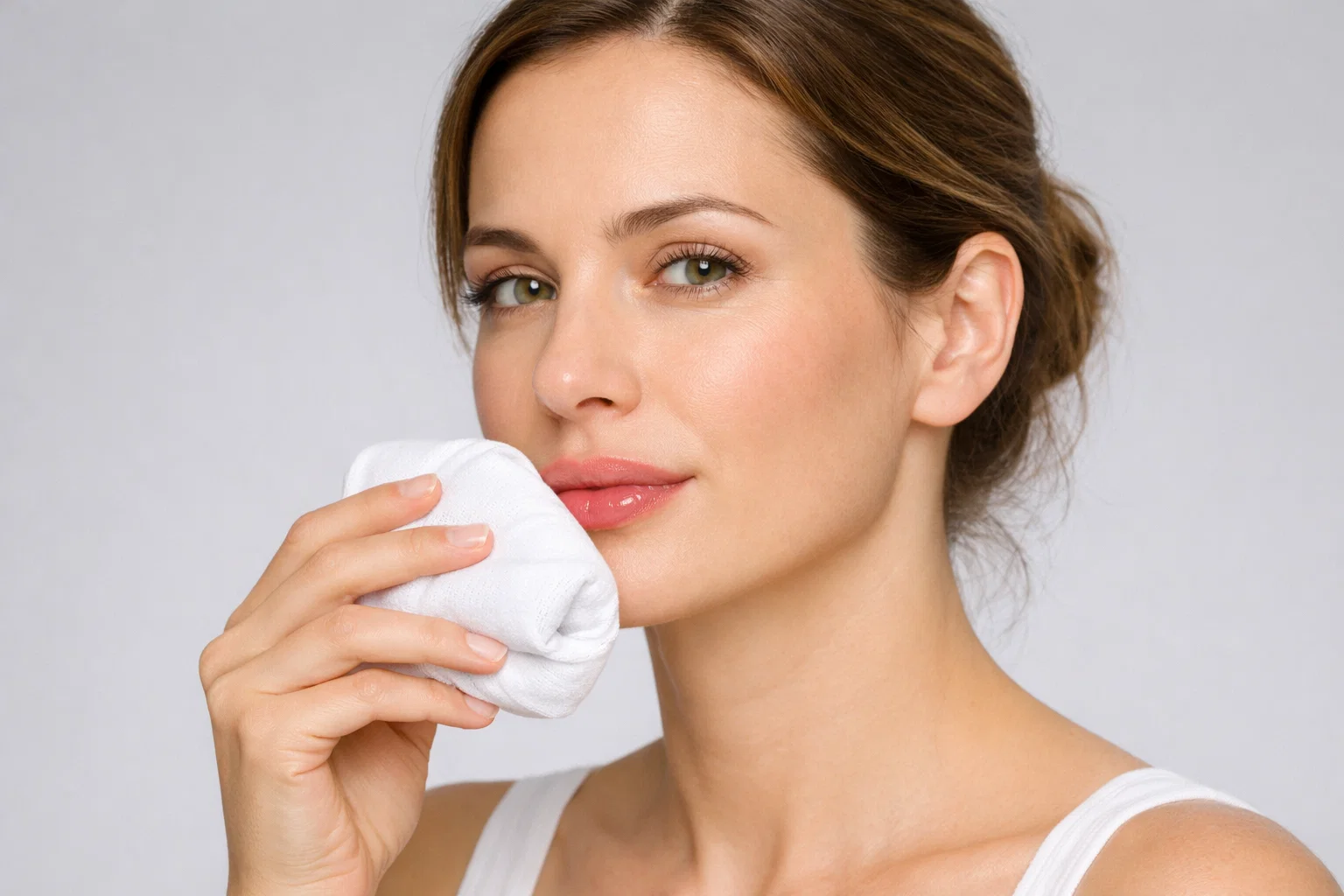
Applying cold compresses represents one of the most effective ways to reduce swelling immediately after your lip filler procedure. Cold temperatures constrict blood vessels, reducing blood flow to the area and subsequently decreasing fluid accumulation. This simple intervention can provide both symptom relief and visual improvement.
For optimal results, wrap ice packs or frozen peas in a clean, soft cloth—never apply ice directly to the skin, as this could cause cold injury. Hold the compress gently against your lips for 10-15 minutes at a time, then remove it for at least 10 minutes before reapplying. Repeat this cycle several times during the first day post-treatment.
Be mindful not to apply excessive pressure whilst using cold therapy, as this could potentially shift the filler before it has integrated with surrounding tissue. Gentle contact achieves the desired temperature reduction without risking product displacement. Most patients find that cold therapy provides the greatest benefit during the first 48 hours, with diminishing returns thereafter.
Sleep Positioning to Help Reduce Lip Fluid Retention
Your sleeping position significantly impacts overnight swelling patterns. Gravity influences fluid distribution, so elevating your head whilst resting helps prevent excessive accumulation in the lip area. Using two or three pillows to prop yourself up at approximately a 45-degree angle can notably reduce morning puffiness.
Try to sleep on your back rather than on your side or stomach, as direct pressure on your face could potentially affect filler distribution during the crucial first night. If you typically favour side-sleeping, consider placing pillows alongside your body to discourage rolling over during the night.
Professional Recommendations to Reduce Lip Filler Swelling
Medical professionals specialising in aesthetic treatments have developed comprehensive protocols to help patients manage post-procedure inflammation. Following these expert-backed recommendations can significantly improve your recovery experience.
Dietary Changes to Help Reduce Lip Filler Swelling
What you consume during recovery directly influences inflammatory processes. Strategic dietary choices can measurably reduce both the intensity and duration of post-treatment swelling.
Foods to avoid during recovery:
- High-sodium processed foods – Crisps, ready meals, canned soups, and deli meats
- Restaurant and takeaway meals – Often contain hidden salt that promotes water retention
- Soy sauce and condiments – Concentrated sodium sources that exacerbate puffiness
- Alcohol of any kind – Dilates blood vessels and increases inflammation
- Spicy foods – May increase blood flow to facial tissues and worsen swelling
- Very hot beverages – Heat exposure can aggravate inflammation in early recovery
Foods that support healing:
- Fresh pineapple – Contains bromelain enzyme that may help reduce inflammation naturally
- Leafy greens – Spinach, kale, and Swiss chard provide anti-inflammatory nutrients
- Citrus fruits – High in vitamin C to support collagen production and tissue repair
- Berries – Antioxidants help combat oxidative stress during healing
- Cucumber – Natural diuretic properties may help reduce fluid retention
- Fresh fish – Omega-3 fatty acids possess anti-inflammatory properties
Anti-inflammatory foods can support your body’s natural healing mechanisms. Pineapple contains bromelain, an enzyme that clinical research suggests may help reduce inflammation and bruising. Similarly, foods rich in vitamin C—such as citrus fruits, bell peppers, and leafy greens—support collagen production and tissue repair.
Avoid alcohol consumption for at least 24-48 hours post-treatment, as it dilates blood vessels and increases blood flow, potentially worsening swelling and bruising. Caffeine, whilst not strictly prohibited, can contribute to dehydration, so moderate your intake and compensate with additional water consumption.
Why Avoiding Heat and Salt Helps Minimising Swelling
Heat exposure represents one of the primary factors that can exacerbate post-treatment inflammation. Elevated temperatures cause vasodilation—widening of blood vessels—which increases blood flow to the affected area and promotes additional fluid leakage into surrounding tissues. This process directly counteracts your body’s natural healing progression.
For at least 48-72 hours following your lip filler appointment, avoid hot beverages, saunas, steam rooms, and hot showers directed at your face. Similarly, postpone any activities that generate significant body heat, including intense exercise, hot yoga, or sunbathing. When showering, use lukewarm water and avoid directing the stream directly onto your lips.
The relationship between sodium and fluid retention is well-established in medical literature. When you consume high-sodium foods, your body retains water to maintain proper electrolyte balance. This systemic effect manifests visibly in areas where tissue has been recently traumatised, including injection sites. Maintaining a low-sodium diet for the first week post-treatment can measurably reduce both the intensity and duration of swelling.
Natural Supplements That Help Reduce Lip Inflammation
Several supplements show promise in supporting the healing process, though you should always consult your practitioner before introducing new substances, particularly if you take regular medications or have underlying health conditions. Arnica montana, a homeopathic remedy derived from a mountain plant, has been traditionally used to reduce bruising and swelling following trauma or surgery.
Whilst scientific evidence regarding arnica’s efficacy remains mixed, many practitioners recommend starting supplementation 24-48 hours before treatment and continuing for several days afterwards. Oral tablets or topical preparations can be used, though avoid applying any creams directly to injection sites for at least 24 hours to prevent introducing bacteria.
Lifestyle Adjustments to Reduce Lip Inflammation
Beyond immediate post-treatment care, several lifestyle modifications can help minimise swelling and support optimal healing. These adjustments require minimal effort but can meaningfully improve your recovery experience.
Exercise Restrictions to Prevent Excessive Lip Swelling
Physical activity increases heart rate and blood pressure, both of which elevate blood flow throughout your body, including to the treatment site. This enhanced circulation can aggravate swelling and increase the risk of bruising, particularly during the crucial first 24-48 hours when inflammation peaks.
Most practitioners recommend avoiding vigorous exercise for at least 24 hours post-treatment, with many suggesting a 48-hour abstention period for optimal results. This restriction includes activities such as running, weightlifting, high-intensity interval training, cycling, and competitive sports. Even yoga, if it involves inverted positions where your head drops below your heart, should be postponed.
After the initial 48 hours, you can gradually reintroduce physical activity based on how you feel. Begin with gentle walks or light stretching, then progressively increase intensity over the following days. If you notice that exercise causes your lips to swell or throb, reduce your activity level and allow more recovery time before trying again.
Beauty Routine Modifications for Reducing Swelling After Lip
Your skincare and cosmetics routine requires temporary modifications following injectable treatment. For the first 24 hours, avoid applying anything directly to your lips except what your practitioner specifically recommends. This precaution prevents introducing bacteria to the injection sites whilst they remain open, reducing infection risk.
When you do resume applying products, use gentle patting motions rather than rubbing or massaging the area. Avoid lip plumpers, exfoliating treatments, or any products containing active ingredients such as retinoids or acids on or near the treated area for at least one week. These substances can irritate healing tissue and potentially worsen inflammation.
Makeup application requires special care. If you choose to wear lipstick or gloss during the recovery period, ensure all applicators and products are clean to prevent bacterial introduction. Consider using disposable applicators for the first week rather than reusing brushes or wands that might harbour bacteria. Remove cosmetics gently in the evening using a mild cleanser and soft cloth.
Why Rest Is Crucial to Reduce Lip Filler Swelling Naturally
Your body performs most tissue repair during rest periods, making adequate sleep and relaxation essential components of the healing process. When you rest, inflammatory markers decrease, blood pressure stabilises, and resources can be redirected toward tissue regeneration rather than supporting active functions.
Plan your treatment timing strategically if possible, scheduling your appointment before a period when you can afford to rest more than usual. Many patients prefer Friday appointments, allowing a weekend of recovery before returning to work. This approach not only supports physical healing but also provides time for the most dramatic visual changes to resolve before social or professional obligations.
Stress management contributes to recovery as well. Elevated stress hormones such as cortisol can interfere with normal inflammatory processes and potentially prolong healing. Engage in calming activities such as reading, gentle meditation, or watching favourite programmes. Avoid situations that might cause emotional upset or anxiety, as these psychological states can manifest physically through increased muscle tension and altered healing responses.
Use of Antihistamines and Medication for Lip Swelling
Pharmaceutical interventions can provide additional support for managing post-treatment symptoms. However, any medication use should be discussed with your practitioner to ensure safety and appropriateness for your specific situation.
Can Allergy Medication Help Reduce Lip Filler Swelling?
Antihistamines work by blocking histamine receptors, thereby reducing the inflammatory cascade that contributes to swelling. Some practitioners recommend taking an over-the-counter antihistamine before treatment and continuing for several days afterwards to help minimise the body’s inflammatory response to the injectable procedure.
Common options include cetirizine or loratadine, both of which produce minimal drowsiness compared to older antihistamine formulations. These medications may be particularly beneficial for patients who tend to experience pronounced swelling or who have a history of allergic reactions, though true allergic responses to hyaluronic acid fillers remain extremely rare.
Managing Discomfort While Waiting for Swelling to Subside
Mild discomfort commonly accompanies post-treatment swelling, though severe pain is unusual. Over-the-counter pain relief can help manage tenderness during the first few days. Paracetamol represents the safest choice, as it doesn’t affect blood clotting or increase bruising risk.
Avoid non-steroidal anti-inflammatory drugs (NSAIDs) such as ibuprofen or aspirin immediately before and for 24-48 hours after treatment, as these medications thin the blood and may increase bruising. If you regularly take aspirin for medical reasons, consult both your prescribing doctor and your aesthetic practitioner about the safest approach to managing your treatment timing.
Safe Pharmaceutical Approaches to Help Reduce Lip Volume
Beyond over-the-counter options, certain prescription medications may be considered in specific situations. Corticosteroid injections can rapidly reduce severe swelling, though this intervention is typically reserved for cases where inflammation appears excessive or prolonged. These should only be administered by qualified medical professionals who can assess whether such treatment is appropriate.
Some practitioners prescribe short courses of oral corticosteroids for patients who develop unusually severe reactions, though this remains uncommon. The decision to use these medications requires careful consideration of potential side effects versus benefits. Most patients experience perfectly manageable swelling that resolves without pharmaceutical intervention beyond simple pain relief.
Identifying Complications and Abnormal Swelling
Whilst most patients experience uncomplicated recoveries, understanding warning signs helps ensure prompt intervention should problems arise. Early recognition of concerning symptoms allows for timely treatment and better outcomes.
Warning Signs When Swelling After Lip Filler Persists
Normal swelling follows a predictable downward trajectory, with noticeable daily improvement during the first week. Recognising when symptoms deviate from expected patterns ensures you receive timely professional care if needed.
Contact your practitioner immediately if you experience:
- Sudden severe swelling that develops rapidly after initial improvement
- Intense, throbbing pain that worsens instead of improving with time
- Skin colour changes including blanching (white patches) or dusky purple discolouration
- Difficulty breathing or tongue swelling indicating possible allergic reaction
- Spreading redness with warmth extending beyond the treatment area
- Purulent discharge or oozing from injection sites suggesting infection
- Fever or chills developing days after your procedure
- Vision changes or severe headache accompanied by lip symptoms
If swelling persists beyond two weeks without any reduction, or if it worsens after initially improving, this warrants professional evaluation. Prolonged inflammation might indicate an inflammatory reaction, infection, or other complication requiring specific treatment.
Addressing Lumps or Asymmetry as Swelling Goes Down
Small, palpable lumps commonly occur as swelling subsides, particularly if you received significant volume. These areas often represent normal irregularities in filler distribution that your practitioner can address with gentle massage techniques once initial inflammation has resolved. Never attempt to massage filler yourself without professional guidance, as improper technique could cause migration or other problems.
When to Seek Medical Help for Extreme Lip Filler Swelling
Certain situations require urgent medical attention rather than routine follow-up. Contact your practitioner immediately if you experience sudden, severe swelling that develops rapidly, particularly if accompanied by difficulty breathing, tongue swelling, or other signs of anaphylaxis. Whilst true allergic reactions to hyaluronic acid remain extraordinarily rare, they can occur and require emergency treatment.
Frequently Asked Questions
How Long Exactly Does Post-Injection Swelling Last?
Most patients can expect visible swelling to persist for approximately five to seven days, with peak inflammation occurring during the first 48-72 hours. By the end of week one, 70-80% of noticeable puffiness typically resolves. However, subtle residual swelling may continue for two to four weeks as the filler fully integrates with lip tissue.
Why Does Swelling Happen More in the Morning?
Morning puffiness represents a near-universal experience during the post-treatment period and occasionally persists even after initial swelling has largely resolved. This phenomenon occurs because lying horizontal for several hours allows fluid to redistribute according to gravity, accumulating in facial tissues including the lips.
Are There Secret Tips to Reduce Swelling Within 24 Hours?
Whilst no legitimate strategy eliminates swelling entirely within 24 hours, several evidence-based approaches can meaningfully reduce inflammation during this critical initial period. The most effective combination includes cold therapy applied intermittently during the first day, sleeping with head elevated, avoiding heat exposure and physical exertion, and maintaining excellent hydration whilst limiting sodium intake.
Is Intermittent Swelling Normal After Lip Fillers Weeks Later?
Occasional mild puffiness that occurs intermittently weeks or even months after treatment can be normal, particularly in the morning or after consuming high-sodium meals. Hyaluronic acid’s water-attracting properties mean your lips may slightly swell when you’re retaining more fluid generally throughout your body.
Newsletter Updates
Enter your email address below and subscribe to our newsletter