Best Non Surgical Treatments for Vertical Lip Lines and Lip Line Correction

Vertical lines that develop around the mouth represent one of the most common aesthetic concerns among patients seeking facial rejuvenation. These delicate creases, often called smoker’s lines or lipstick lines, can appear regardless of smoking history and tend to become more pronounced with age. Understanding the science behind their formation and the modern treatment options available helps patients make informed decisions about their skincare and aesthetic goals.
The skin around the lips differs from other facial areas due to its unique anatomy. The orbicularis oris muscle encircles the mouth, contracting thousands of times daily during speech, eating, and facial expressions. This repetitive movement, combined with natural collagen loss over time, creates an environment where fine lines develop more readily. Sun exposure accelerates this process by breaking down elastin and other structural proteins that maintain skin elasticity.
Modern aesthetic medicine offers numerous approaches to address these concerns without surgical intervention. From injectable treatments that restore volume to energy-based devices that stimulate new tissue production, patients now have access to sophisticated options tailored to individual needs and preferences.

Thousands of satisfied customers
Best Non Surgical Treatments for Upper Lip Lines
Dermal Filler for Precise Volume Restoration
Injectable hyaluronic acid products have transformed how practitioners address volume loss in the perioral region. These gel-like substances integrate into the dermis, physically filling the space where lines have formed whilst attracting moisture to plump the surrounding tissue.
Treatment specifics include:
- Cannula or needle placement into the superficial dermis
- Typical volume requirements of 0.5-1ml per treatment session
- Results visible immediately with continued improvement over 2-3 weeks
- Duration typically ranging from 6-12 months depending on product selection
Clinical observations suggest that precise, conservative placement yields the most natural outcomes. Rather than simply filling lines from within, skilled practitioners layer product strategically to support the tissue architecture without creating an overfilled appearance. The technique requires thorough understanding of facial anatomy to avoid vascular complications.
Patients report high satisfaction rates when treatments focus on subtle volume restoration rather than dramatic augmentation. The goal centres on softening the appearance of existing lines whilst maintaining natural lip mobility and expression.
Skin Boosters for Deep Hydration and Texture
Unlike traditional dermal products designed for structure, skin boosters contain lower molecular weight hyaluronic acid formulations that spread through tissue to improve overall quality. Multiple microinjections deliver hydration throughout the treatment area, addressing textural concerns that contribute to visible line formation.
This approach proves particularly valuable for patients with dehydrated skin or early signs of ageing. The treatment protocol typically involves 2-3 sessions spaced 4 weeks apart, followed by maintenance appointments every 6 months. Studies indicate improvements in skin hydration, elasticity, and overall radiance.
The mechanism differs from volumising products—rather than filling specific lines, skin boosters enhance the tissue environment. This creates a foundation for smoother skin texture and may slow down the development of new creases through improved cellular function.
Polynucleotides for Cellular Skin Health
Recent advances in regenerative aesthetics have introduced polynucleotide injections as a treatment modality focused on biological repair rather than mechanical filling. These naturally occurring DNA fragments stimulate cellular activity, potentially enhancing the skin’s intrinsic ability to maintain its structure.
Research suggests polynucleotides may:
- Promote fibroblast activity and collagen synthesis
- Improve tissue hydration through enhanced hyaluronic acid production
- Reduce inflammatory markers associated with skin ageing
- Support cellular repair mechanisms
Treatment protocols generally require 2-3 sessions at fortnightly intervals. Results emerge gradually over several weeks as cellular processes respond to the biological stimulus. Whilst evidence continues to accumulate, early clinical experience indicates promising outcomes for patients seeking preventative or regenerative approaches.
Platelet Rich Plasma Therapy for Natural Healing
Autologous platelet concentrates harness the body’s own growth factors to stimulate tissue regeneration. After drawing a small blood sample, centrifugation separates platelets from other components. The concentrated solution is then injected into treatment areas where growth factors may encourage production of structural proteins.
Clinical studies examining PRP for facial rejuvenation show variable results, with outcomes appearing dependent on preparation protocols and injection techniques. Some patients report improvements in skin texture and reduced visibility of fine creases after 2-3 treatment sessions. The biological nature of this approach appeals to individuals preferring treatments that work with the body’s natural processes.
Realistic expectations remain essential—PRP typically produces subtle, gradual improvements rather than dramatic transformations. Many practitioners combine this modality with other treatments to enhance overall outcomes.
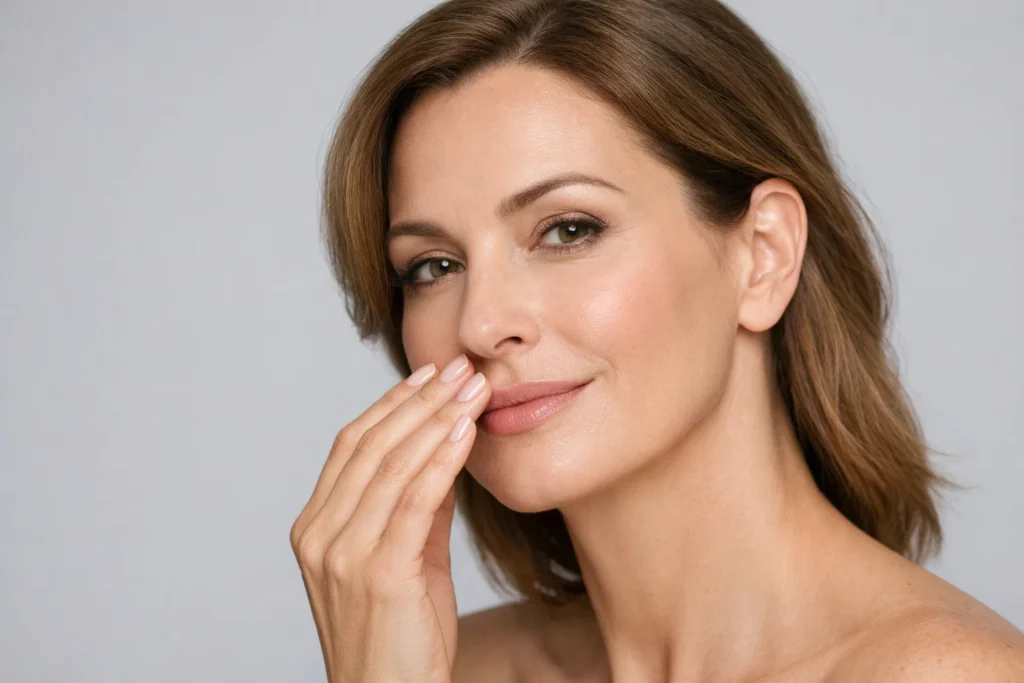
Advanced Energy Based Cosmetic Treatments for Upper Lip
Laser Resurfacing for Deep Lip Line Correction
Ablative and non-ablative laser technologies offer powerful tools for addressing established lines through controlled thermal injury. These devices remove superficial layers of damaged skin or heat deeper tissue to trigger remodelling responses.
Ablative options such as CO2 or erbium lasers vaporise the epidermis and upper dermis, creating wounds that heal with fresh, tighter skin. This aggressive approach delivers significant improvement for deep vertical lines but requires 7-14 days of downtime. Patients experience redness, swelling, and temporary sensitivity during the healing phase.
Non-ablative alternatives preserve the skin surface whilst delivering thermal energy to deeper layers. Fractional technologies create microscopic treatment zones surrounded by healthy tissue, accelerating recovery whilst still stimulating collagen remodelling. These gentler options require multiple sessions but involve minimal social downtime.
Research indicates that laser treatments can significantly reduce the visibility of established lines when performed by experienced practitioners. The thermal stimulus encourages new collagen formation over 3-6 months, with results continuing to improve during this remodelling period.
Morpheus8 Treatment for Lip Area Resurfacing
This radiofrequency microneedling system combines mechanical needling with thermal energy delivery at customised depths. Fine needles create controlled micro-injuries whilst simultaneously emitting radiofrequency waves that heat tissue, maximising the stimulus for collagen production.
The technology offers several advantages for treating delicate perioral skin:
- Adjustable needle depth allowing precise treatment customisation
- Minimal surface disruption despite significant dermal stimulation
- Lower risk of post-inflammatory hyperpigmentation compared to some laser options
- Suitable for various skin types and tones
Treatment protocols typically involve 1-3 sessions spaced 4-6 weeks apart. Patients experience 3-5 days of mild swelling and redness, far less than traditional ablative procedures. Results emerge progressively as tissue remodelling occurs over subsequent months.
Tixel Thermal Energy for Delicate Vertical Lip Lines
Tixel technology employs a unique mechanism—a heated titanium tip briefly contacts skin, transferring thermal energy without laser light or radiofrequency waves. This creates controlled micro-thermal zones that stimulate healing responses whilst preserving surrounding tissue.
The system proves particularly useful for treating thin, sensitive perioral skin where aggressive treatments carry higher complication risks. Multiple treatment levels allow practitioners to customise intensity based on individual tolerance and line severity.
Clinical experience suggests Tixel offers a middle ground between gentle skincare-based approaches and more aggressive resurfacing options. Patients typically undergo 2-4 sessions with minimal downtime between treatments. The thermal stimulus encourages gradual improvements in texture and line visibility over several months.
Microneedling with PRP for Collagen Stimulation
Combining mechanical needling with platelet-rich plasma creates a synergistic approach that addresses lines through dual mechanisms. The needling device creates thousands of microscopic channels that trigger wound healing responses, whilst simultaneously allowing deeper penetration of applied PRP.
This treatment combination appeals to patients seeking comprehensive rejuvenation without synthetic substances. The mechanical injury from needling reliably stimulates collagen synthesis, whilst growth factors in the plasma may enhance and prolong this response.
Treatment considerations include:
Factor | Details |
Session frequency | 4-6 treatments spaced 4 weeks apart |
Downtime | 2-3 days of redness and sensitivity |
Results timeline | Progressive improvement over 3-6 months |
Maintenance | Annual touch-up sessions often recommended |
Studies examining this combination approach show promising results for improving overall skin quality and reducing fine line visibility. The mechanical stimulus appears more predictable than PRP alone, whilst the biological component may optimise healing responses.

Chemical Peel Options to Get Rid of Lip Lines
Deep Chemical Peel for Dramatic Smoothing
Phenol and high-concentration trichloroacetic acid peels penetrate to the reticular dermis, essentially resurfacing the entire skin structure. These powerful treatments deliver the most dramatic improvements for severe vertical lines but require careful patient selection and extensive recovery planning.
The controlled chemical injury removes damaged superficial layers and triggers profound collagen remodelling in deeper tissue. Results can be striking—deep lines may soften significantly, and overall skin texture improves substantially. However, the recovery process demands commitment, with healing taking 2-3 weeks and residual redness potentially lasting several months.
Deep peels carry specific risks including permanent pigment changes, scarring, and prolonged sensitivity. Patient selection criteria must be rigorous, typically favouring individuals with fair skin and realistic expectations. Pre-treatment preparation with retinoids and post-treatment sun protection are essential for optimal outcomes and complication prevention.
Superficial Peels for Maintenance and Glow
Glycolic, lactic, and salicylic acid peels at lower concentrations offer gentler exfoliation that improves skin radiance and supports ongoing maintenance. These superficial treatments remove the outermost layer of dead cells, revealing fresher skin beneath and encouraging more uniform cell turnover.
Whilst superficial peels won’t eliminate established deep lines, they contribute to overall skin health and may prevent new line formation. Regular treatments—typically monthly or quarterly—help maintain texture improvements achieved through more aggressive interventions.
The appeal of superficial peels lies in their minimal disruption to daily activities. Patients experience mild flaking for 3-5 days but generally don’t require time away from work or social commitments. This makes them practical for individuals seeking gradual improvements without significant downtime.
Targeted Exfoliation for Lip Line Reduction
Medium-depth peels using moderate concentrations of trichloroacetic acid or combination formulations offer a compromise between superficial maintenance and deep resurfacing. These treatments penetrate to the papillary dermis, addressing established fine lines whilst requiring less recovery time than phenol-based options.
Treatment protocols focus on controlled, even application to the perioral region, with careful attention to product strength and contact time. The resulting peel typically progresses over 5-7 days, with skin shedding in sheets to reveal smoother tissue beneath.
Clinical outcomes suggest medium peels can reduce the visibility of moderate lines whilst improving overall texture and tone. Many practitioners recommend a series of 2-3 treatments spaced several months apart to achieve optimal results whilst managing recovery burden.

Neurotoxin Injections and Lip Fillers for Muscle Relaxation
Relaxing Vertical Lip Lines with Botox and Dysport
Neurotoxin injections around the mouth target the orbicularis oris muscle, temporarily reducing its contractile force. This muscle encircles the lips and contributes to line formation through repetitive pursing movements during speech and expression.
Strategic placement of small neurotoxin doses can soften the appearance of existing lines whilst preventing deepening from ongoing muscle activity. The technique requires precise dosing—excessive relaxation affects lip movement and smile dynamics, whilst insufficient doses yield minimal benefit.
Treatment specifications:
- Typical dose: 2-4 units per side in the upper lip area
- Injection sites: Usually 2-4 points strategically placed
- Onset: Results begin appearing within 3-5 days
- Duration: Effects typically last 3-4 months
Patient satisfaction correlates strongly with practitioner skill and conservative dosing philosophy. The goal involves subtle line softening without compromising natural lip function or expression. Many patients combine this approach with volumising treatments for comprehensive rejuvenation.
Preventing Deep Folds Through Muscle Modulation
Beyond addressing existing lines, neurotoxin treatments offer preventative benefits by reducing the mechanical forces that create and deepen creases. Patients who begin treatments early may slow the progression of line formation, maintaining smoother perioral skin for longer.
This preventative approach particularly appeals to younger individuals noticing early signs of ageing or those with genetic predisposition to pronounced lines. Regular treatments—typically every 3-4 months—maintain muscle relaxation effects and may reduce the need for more aggressive interventions later.
Research examining long-term neurotoxin use suggests potential cumulative benefits. Some studies indicate that consistent treatments may lead to gradual muscle atrophy, potentially reducing line visibility even between treatment sessions.
Combining Lip Filler with Other Aesthetic Modalities
Comprehensive treatment strategies often integrate multiple modalities to address the various factors contributing to perioral ageing. A typical combination approach might include:
- Neurotoxins to reduce muscle-induced creasing
- Hyaluronic acid for volume restoration
- Skin boosters for overall tissue quality
- Energy-based treatments for collagen stimulation
This layered strategy addresses immediate aesthetic concerns whilst promoting long-term skin health. The timing and sequencing of treatments require careful planning—some combinations work synergistically when performed during the same visit, whilst others benefit from strategic spacing.
Patient outcomes often exceed what any single treatment could achieve alone. The comprehensive approach targets mechanical filling, muscle dynamics, and biological rejuvenation simultaneously, leading to natural-looking improvements that age gracefully.
Effective Skincare and Reducing Lip Lines Naturally
Retinol and Tretinoin for Skin Health and Renewal
Topical retinoids remain among the most evidence-supported ingredients for addressing signs of ageing. These vitamin A derivatives accelerate cell turnover, stimulate collagen production, and improve skin texture through multiple mechanisms.
Retinol represents the over-the-counter option, converting within the skin to retinoic acid—the active form. Products containing 0.25-1% retinol suit most individuals starting a retinoid routine. Gradual introduction helps minimise initial irritation whilst allowing skin to develop tolerance.
Tretinoin (prescription-strength retinoic acid) offers more direct and potent effects. Concentrations typically range from 0.025-0.1%, with treatment beginning at lower strengths and advancing as tolerance develops. Clinical studies demonstrate tretinoin’s ability to improve fine lines, texture, and overall skin quality with consistent use.
Application to the perioral area requires particular care due to the thin, sensitive nature of the skin around the mouth. Starting with application just twice weekly and gradually increasing frequency helps prevent excessive dryness or irritation that could compromise treatment adherence.
Daily Sun Protection and SPF Importance for Lip Area
Ultraviolet radiation represents perhaps the most significant environmental factor contributing to premature skin ageing. The lip area proves particularly vulnerable due to thinner skin and frequent neglect in sun protection routines.
Quality broad-spectrum sunscreen with SPF 30 or higher should be applied daily to the entire perioral region. Physical blockers containing zinc oxide or titanium dioxide offer particularly reliable protection and suit sensitive skin well. Reapplication every two hours during extended sun exposure remains essential for maintaining protection.
A lip balm with SPF provides additional defence for the lips themselves, which lack the melanin production that offers some protection to other facial areas. This simple preventative measure may significantly slow the development of new lines whilst protecting against more serious concerns like actinic damage.
Research consistently demonstrates that sun protection, when combined with other skincare measures, yields cumulative benefits over time. Patients who maintain diligent sun protection often preserve their treatment results longer and require less aggressive interventions as they age.
Hydration and Nourishing Lip Balms
Maintaining optimal hydration supports skin barrier function and may reduce the visibility of existing fine lines whilst preventing new ones from forming. The stratum corneum (outermost skin layer) requires adequate moisture to maintain its smooth, plump appearance.
Effective hydrating ingredients include:
- Hyaluronic acid: Attracts and binds water molecules
- Ceramides: Support barrier function and prevent moisture loss
- Peptides: May stimulate collagen synthesis
- Antioxidants: Protect against environmental damage
Regular application of nourishing lip balm throughout the day keeps the delicate perioral tissue supple and resilient. Products containing occlusives like lanolin or petrolatum seal in moisture, whilst humectants like glycerin draw hydration from deeper skin layers.
Drinking adequate water supports systemic hydration but topical products remain essential for directly improving the skin around the lips. The combination of internal and external hydration creates optimal conditions for maintaining healthy, smooth tissue.
Avoiding Environmental Triggers to Prevent Lip Lines Naturally
Certain habits and exposures accelerate the formation of perioral lines beyond the inevitable effects of chronological ageing. Identifying and modifying these factors offers a proactive approach to maintaining smoother skin over time.
Key triggers to consider:
- Smoking: Both the repetitive pursing motion and chemical damage to collagen accelerate line formation
- Straw use: Frequent pursing creates mechanical stress contributing to vertical lines
- Lip pursing habits: Unconscious repetitive movements during concentration or stress
- Extreme expressions: Excessive puckering or pursing during speech
- Dehydration: Inadequate fluid intake compromises skin plumpness
Awareness of these factors allows patients to make informed lifestyle choices that complement their treatment efforts. Whilst complete elimination of facial expression isn’t realistic or desirable, reducing unnecessary repetitive movements may slow the development of new lines.
Environmental protection extends beyond sun avoidance to include defence against pollution, extreme temperatures, and harsh weather conditions. Protective balms and antioxidant serums create a barrier against these external stressors whilst supporting the skin’s natural defence mechanisms.
Frequently Asked Questions About Treatment for Lip Wrinkles
Will Retinol Get Rid of Lip Lines?
Topical retinoids can improve the appearance of fine lines around the mouth through stimulating cellular turnover and collagen synthesis, but expectations require calibration. For shallow, early-stage lines, consistent retinoid use over 3-6 months may produce noticeable softening, whilst deeply etched lines typically require more aggressive interventions. The perioral area’s sensitivity means starting with lower concentrations and applying just twice weekly initially helps build tolerance, with retinoids working best as part of a comprehensive approach that includes sun protection and hydration.
How Painful is Upper Lip Laser Treatment?
Discomfort during laser procedures varies considerably based on technology selection and individual pain tolerance, with ablative treatments generally causing more sensation than non-ablative options due to deeper tissue penetration. Most practitioners apply topical anaesthetic cream 30-60 minutes before treatment, and patients typically describe sensations ranging from mild warmth to hot snapping during the 15-30 minute procedure. Post-treatment discomfort resembles a moderate sunburn for ablative procedures, manageable with over-the-counter pain relief, whilst non-ablative options generally cause minimal post-procedure discomfort.
Is Microneedling or Laser the Best Treatment for Lip Lines?
The optimal choice depends on several factors including line severity, skin type, tolerance for downtime, and individual healing characteristics. Microneedling offers a lower risk of pigmentation changes in darker skin tones, a more predictable healing timeline, and generally lower cost per session, whilst laser treatments provide more powerful collagen stimulation, can address pigmentation and vascular concerns simultaneously, and may require fewer sessions for comparable results. Consultation with an experienced practitioner helps determine which technology best suits individual circumstances and goals.
How Many Microneedling Sessions are Required for Success?
Treatment protocols typically involve 3-6 sessions spaced 4-6 weeks apart to achieve optimal results for established lines, with improvements emerging gradually as new collagen forms over several months following each treatment. Patients often notice initial changes in overall skin texture after 2-3 sessions, with continued enhancement in line visibility requiring the full treatment series, followed by maintenance sessions of 1-2 annually to preserve results. Individual responses vary based on age, baseline skin condition, lifestyle factors, and adherence to post-treatment care recommendations.
What is the Best Non Surgical Treatment Combination?
Comprehensive rejuvenation typically combines treatments addressing different aspects of perioral ageing through a phased approach: foundation treatments during months one through three with retinoids and sun protection, structural correction in months three to four using dermal products to restore volume, surface refinement in months five to six through laser or microneedling, and an ongoing maintenance programme with regular skincare and periodic touch-ups. Practitioners may also recommend neurotoxins for patients with significant muscle contribution to line formation or chemical peels for those with textural concerns, with the key being a personalised strategy tailored to individual needs and adjusted based on response to initial treatments.
How Long Do Non Surgical Lip Results Last?
Duration varies significantly based on treatment type, with hyaluronic acid products typically lasting 6-12 months, neurotoxins approximately 3-4 months, skin boosters 6-9 months, laser resurfacing 1-3 years with maintenance, microneedling series 12-18 months, and chemical peels ranging from 3-6 months for superficial treatments to 1-2 years for deep applications. Results from collagen-stimulating treatments like lasers and microneedling typically last longer than products that physically fill lines, and optimal longevity requires commitment to comprehensive skincare including sun protection, retinoids, and hydration, with patients maintaining healthy lifestyle habits generally preserving results longer.